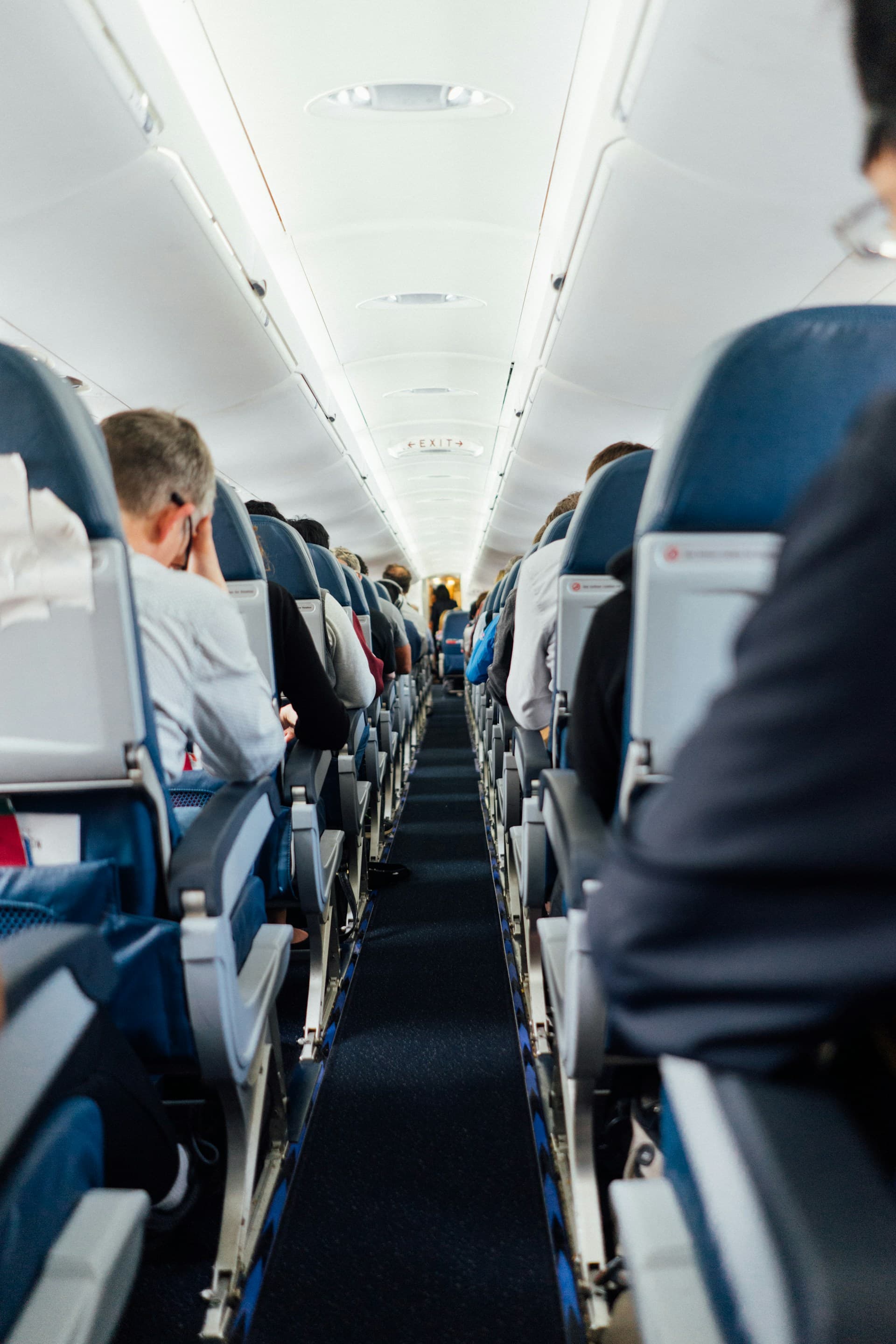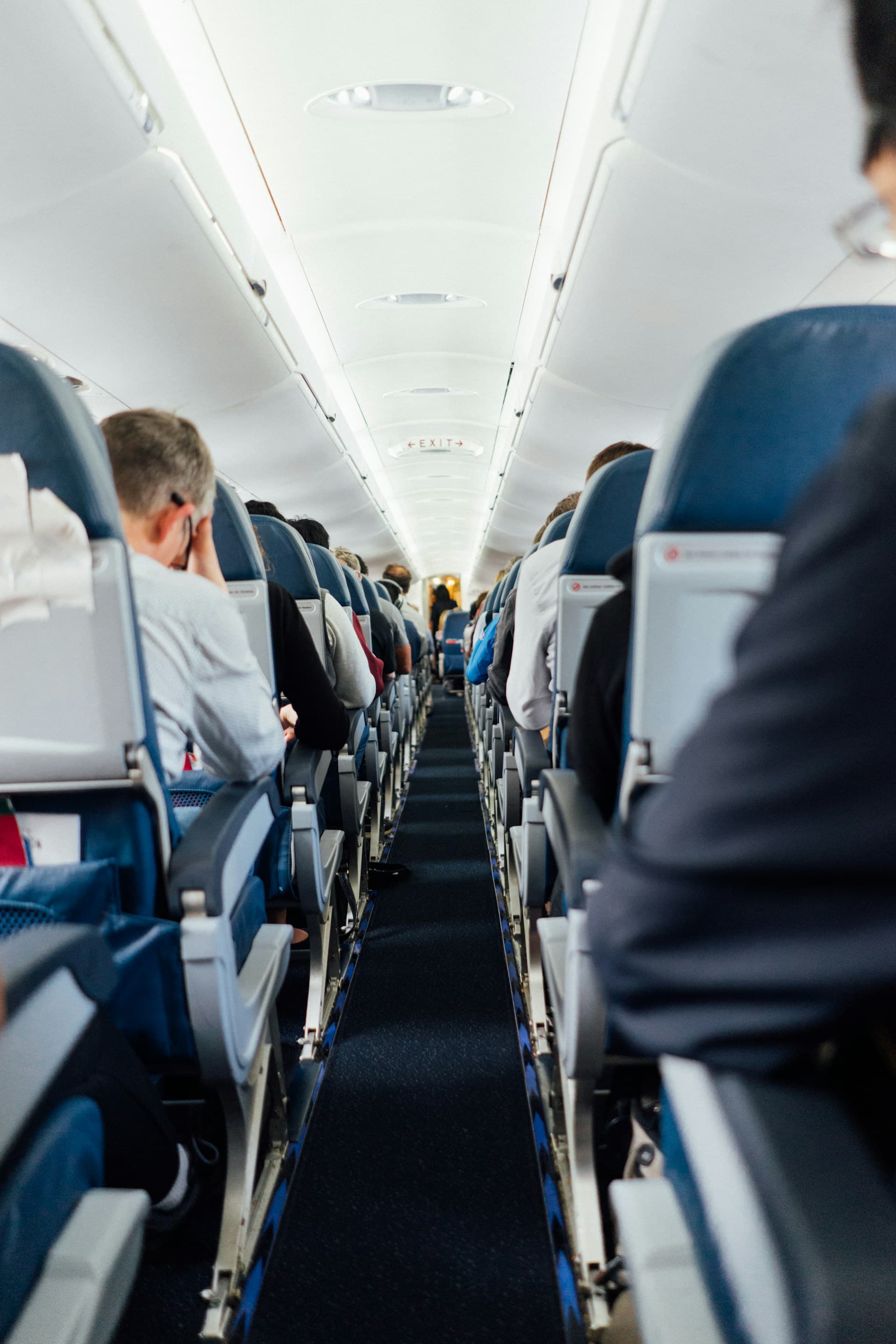

I spend approximately 120 hours per year in airports. That is five full days of security lines, gate changes, delayed flights, and overpriced coffee. Over the years, I have accumulated a collection of tricks that make airports significantly less painful. Some of these are well-known. Others are genuinely obscure. All of them work.
Before You Get to the Airport
1. Check In Online Exactly When the Window Opens
Most airlines open online check-in 24 hours before departure. Set a reminder and check in the moment the window opens. This locks in your seat assignment and, on airlines with open seating (like Southwest), determines your boarding position. Late check-in often means a middle seat.
2. Screenshot Your Boarding Pass
Do not rely solely on the airline app. Apps crash. Phones die. Wi-Fi fails. Screenshot your boarding pass and save it to your phone's photo gallery. Better yet, download it as a PDF. If your phone dies entirely, have a printed backup in your bag.
3. Wear Slip-On Shoes
You will remove your shoes at security unless you have TSA PreCheck. Slip-on shoes (loafers, Chelsea boots, or slip-on sneakers) save you 30 seconds of fumbling with laces in the security line, multiplied by every flight you take.
4. Pack a Portable Charger in Your Personal Item
Not in your carry-on overhead. Not in your checked bag. In the bag under the seat in front of you. Accessible at all times. A dead phone at the airport means no boarding pass, no maps, no ride-share app, and no way to contact anyone. The Anker PowerCore 10,000mAh weighs 6 ounces and charges your phone twice.
5. Check Your Flight Status Before Leaving for the Airport
Open FlightAware.com or the Flighty app and check your flight's status. If your plane has not even arrived at your departure airport yet, you know a delay is coming. You can adjust your timing, avoid rushing, and save yourself from sitting at a gate for two extra hours.
6. Apply for TSA PreCheck or Global Entry
TSA PreCheck ($78 for 5 years) lets you go through a dedicated, shorter security line without removing shoes, laptops, liquids, belts, or light jackets. The application process takes about 10 minutes online plus a 10-minute in-person appointment.
Global Entry ($100 for 5 years) includes TSA PreCheck plus expedited customs processing on international arrivals. If you travel internationally even once a year, the time savings are enormous.
Many premium credit cards reimburse the application fee (Chase Sapphire Reserve, Amex Platinum, Capital One Venture X).
7. Join the Airline's Frequent Flyer Program (Even If You Rarely Fly)
Membership is free. You earn miles on every flight. Even if you never accumulate enough for a free flight, membership often comes with small perks: earlier boarding groups, access to award seat availability, and a history of your flights for expense tracking.
At Security
8. Get in the Right Line
Look at the lines available. The shortest line is not always the fastest. Avoid lines behind families with young children (more items, more time), people with multiple bins of electronics, and anyone who looks confused. The line of solo business travelers with laptops out and shoes already in hand will move faster.
9. Prepare Before You Reach the Belt
Have your boarding pass and ID in hand. Your laptop should be in an easy-access pocket of your bag. Your liquids bag should be near the top. Your jacket should be off. Do all of this while waiting in line, not when you reach the conveyor belt.
10. Use the Bins Strategically
Place your shoes and small items (phone, wallet, keys, belt) inside your bag's outer pocket rather than in a separate bin. Fewer bins means faster processing and less chance of leaving something behind. Items left in open bins are the most commonly forgotten things at security.
11. Know What Actually Triggers Secondary Screening
Loose items in pockets, forgotten water bottles, large electronics other than laptops (tablets, portable game consoles), and wrapped gifts are the most common triggers for bag checks. Remove everything from your pockets, dump your water bottle before security, and never wrap gifts before flying.
12. Opt for the Body Scanner Over the Pat-Down
If given the choice, the body scanner takes 10 seconds. A pat-down takes 2 to 3 minutes and requires waiting for an available agent. The scanner is faster for everyone.
At the Gate
13. Find the Hidden Power Outlets
Obvious charging stations near gates are always full. But most airports have outlets in less visible locations: at the base of support columns, under seats in empty gate areas, along walls between gates, in restaurants and cafes (even if you do not buy anything), and near cleaning closet doors. Walk 2 minutes from the crowded gate area, and you will find available outlets.
14. Sit Near the Gate But Not at the Gate
Gate areas are noisy, crowded, and uncomfortable. Sit one or two gates away where there are empty seats and quiet space. You can still hear boarding announcements, and you will board faster because you are not fighting through a crowd.
15. Befriend the Gate Agent (Nicely)
Gate agents control seat assignments, upgrades, standby lists, and rebooking when things go wrong. A genuine smile, a polite greeting, and a reasonable request go further than complaints and demands. If you want to ask about an upgrade or a better seat, approach the desk during a quiet moment, not when they are managing boarding.
16. Board Last (Intentionally)
Unless you need overhead bin space, boarding last means less time sitting in a cramped seat waiting for everyone else to board. You walk on, sit down, and the doors close within minutes. This is especially effective if you are flying carry-on only with a bag that fits under the seat.
17. Listen for the "Final Call" Trick
Airlines sometimes announce "final call for boarding" when they are actually still loading passengers. This is to hurry latecomers. But if you hear your name specifically called over the intercom, they are genuinely looking for you. Move.
18. Gate Changes Are Common — Stay Alert
Airlines change gates more often than you would expect. Check the departure monitors every 20 to 30 minutes, especially if you are sitting away from your assigned gate. The airline app usually pushes gate change notifications, but not always quickly.
Airport Food and Drink
19. Bring an Empty Water Bottle and Fill It After Security
Airport bottled water costs $4 to $7. Most airports now have bottle refill stations near restrooms and at some gates. Bring an empty bottle through security and fill it for free.
20. Eat Before the Airport or Bring Food
Airport food is expensive and often mediocre. A sandwich at the airport costs $12 to $18. The same sandwich from a deli near your home costs $6 to $8. Bring food through security — all solid food is allowed. Sandwiches, salads, fruits, snacks, and wrapped meals all pass through without issue.
21. Airport Lounges Without a Membership
You do not need an expensive annual membership to access airport lounges. Options include:
- Priority Pass — included with many premium credit cards (Chase Sapphire Reserve, Amex Platinum, Capital One Venture X). Grants access to 1,500+ lounges worldwide.
- LoungeBuddy app — lets you purchase one-time access to lounges for $25 to $65.
- Day passes at the lounge desk — many lounges sell day passes directly, typically $30 to $60. Ask at the lounge entrance.
- Arrival lounges — some airlines offer shower and lounge facilities for arriving passengers, even in economy class. British Airways and Qantas are notable examples.
22. Ask for Water at Any Restaurant or Cafe
In the US and most Western countries, restaurants and cafes must provide tap water for free if you ask. You do not need to buy a $6 Starbucks to get water.
During Layovers
23. Know Your Airport's Free Amenities
Many airports offer amenities that most travelers never discover:
- Singapore Changi: Free movie theater, swimming pool, butterfly garden, and nap areas
- Seoul Incheon: Free Korean culture center, nap rooms, transit hotel, and shower facilities
- Amsterdam Schiphol: Rijksmuseum satellite gallery (free), library, meditation center
- Munich Airport: Brewery and beer garden (not free, but a surprisingly great layover activity)
- Dubai DXB: Swimming pool and gym (paid but affordable), sleep pods, gaming lounge
- Istanbul IST: Free transit tour of Istanbul for passengers with layovers over 6 hours (Turkish Airlines)
24. Leave the Airport on Long Layovers
If your layover is 5 hours or more, consider leaving the airport and exploring the city. This works best when:
- You do not need to go through immigration again (some airports allow airside transit)
- The city center is accessible by train or bus (30 minutes or less)
- You have enough time including return travel and re-clearing security
Cities with airports close to downtown that are ideal for layover exploration: Amsterdam, Singapore, Munich, Hong Kong, Zurich, Seoul, and Doha.
25. Airport Hotels for Overnight Layovers
If you have an overnight layover, sleeping at the airport is possible but miserable. Many airports have attached or nearby transit hotels with rooms available for a few hours. Rates range from $30 to $100 for a short stay. Apps like DayUse and HotelsByDay specialize in booking these short-stay rooms.
26. Shower Facilities
Long layover and feeling grimy? Many airports have pay-per-use shower facilities, often located near transit areas or in airline lounges. Prices range from $10 to $25 and usually include towels and toiletries. Airport lounges (accessible via Priority Pass or a day pass) almost always include free showers.
Choosing the Right Seat
27. Use SeatGuru Before You Choose
SeatGuru.com shows detailed seat maps for specific aircraft on specific routes. It highlights which seats have extra legroom, which seats do not recline, which are near lavatories (noisy), and which have obstructed views. Check it before you select a seat.
28. Exit Row and Bulkhead Seats
Exit row seats have significantly more legroom. They are sometimes free at check-in and sometimes available for an extra fee ($15 to $50). The trade-off: exit row seats often have no under-seat storage (your personal item must go overhead during takeoff and landing), and you must be willing and able to assist in an emergency.
Bulkhead seats (the first row of a cabin section) offer more legroom but no under-seat storage and no reclining in front of you.
29. Seats for Quick Deplaning
If you need to make a tight connection, sit as close to the front of the plane as possible. Rows 1 through 10 deplane in about 3 minutes. Row 35 can take 15 to 20 minutes. On single-aisle planes, aisle seats deplane faster than window seats.
30. The Best Window Seats for Photos
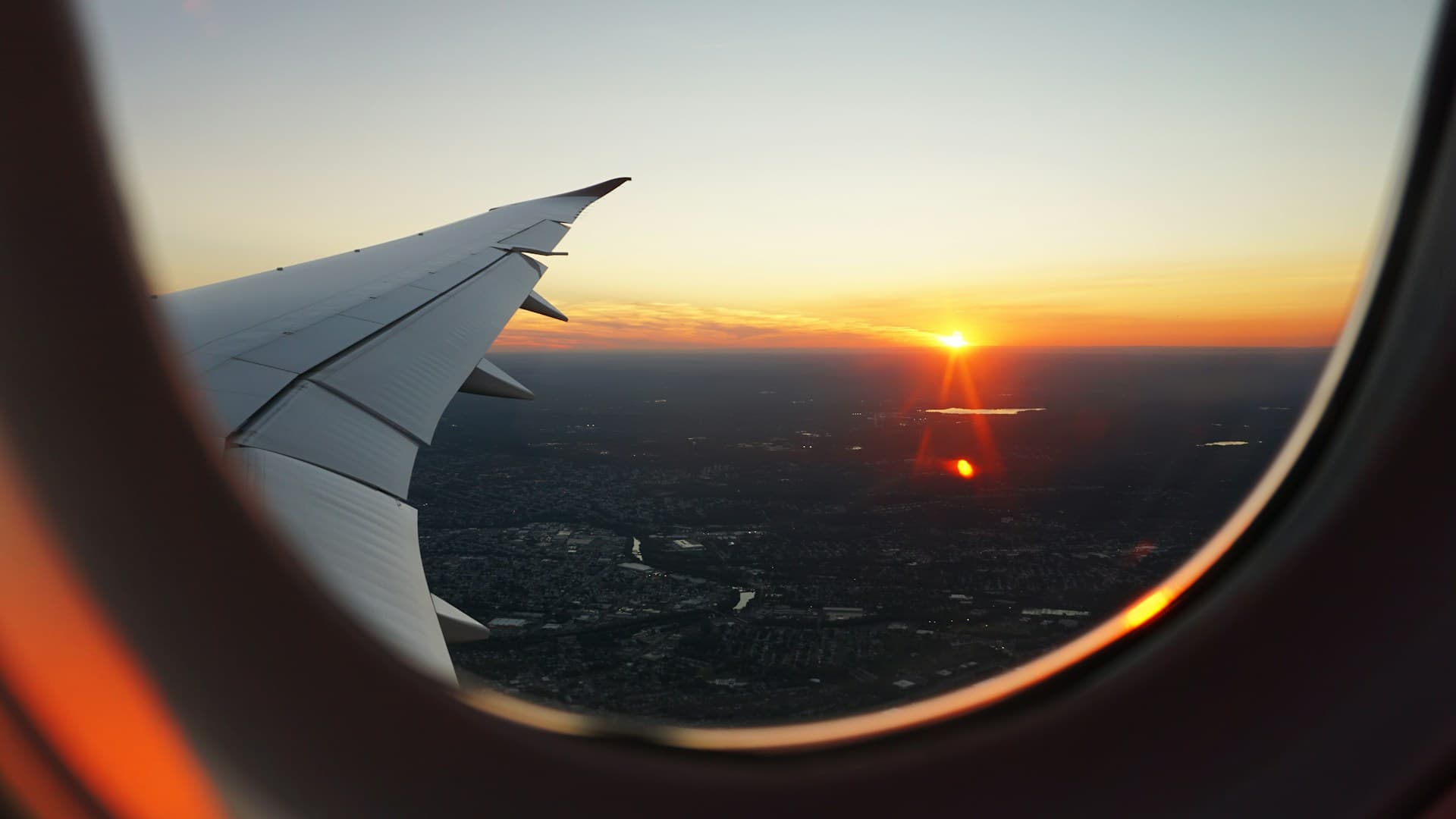
On most aircraft, the wing blocks the view from roughly rows 12 to 20 (varies by plane). For unobstructed views and the best photos, choose a window seat in rows 1 through 10 or rows 25 and above.
When Things Go Wrong
31. Know Your Rights When Flights Are Delayed or Canceled
In the US: If the airline cancels your flight, they must rebook you on the next available flight at no extra cost, and many airlines now offer meal vouchers and hotel accommodations for significant delays. As of 2024, US airlines are required to provide automatic cash refunds for canceled flights and significant delays if you choose not to travel.
In the EU: EC 261 regulation entitles you to compensation of 250 to 600 euros for delays of 3+ hours on flights departing from or arriving in the EU on EU airlines. This is in addition to rebooking and care (meals, hotel). The airline must pay this compensation regardless of whether you bought a ticket directly or through a third party.
32. Have a Backup Plan for Missed Connections
If you miss a connecting flight:
- Go directly to the airline's customer service desk at the connection airport. Do not call the general customer service number — the hold times are usually longer than the in-person line.
- Simultaneously, use the airline's app to rebook yourself. Some airlines (United, Delta) let you rebook on the next available flight through the app before you even reach the service desk.
- If the airline caused the delay (mechanical issue, crew issue, etc.), they are responsible for rebooking you and may provide meal and hotel vouchers.
- If weather caused the delay, the airline will rebook you but is not required to provide meals or hotel.
33. The "Flat Tire" Rule
Most airlines have an unwritten "flat tire rule": if you miss your flight by a short time (typically under 2 hours) due to circumstances beyond your control (car breakdown, traffic accident, subway delay), they will rebook you on the next available flight for free. This is not guaranteed and depends on the gate agent's discretion, but it is worth asking politely. Never lie about the reason — just explain what happened honestly.
The Airport Essentials Packing List
Based on everything above, here is what should be accessible in your personal item at the airport:
- Passport/ID and boarding pass (physical and digital)
- Portable charger (charged)
- Phone charger cable
- Headphones
- Empty water bottle
- Snacks
- Pen (for customs forms on international flights)
- Layers (hoodie or light jacket)
- Entertainment (downloaded shows, book, or e-reader)
- Sleep mask and earplugs (for long flights)
- Lip balm and moisturizer (airplane air is extremely dry)
- Medications (prescription and basic OTC like ibuprofen and antihistamine)
Everything else can be in the overhead bin. These items stay at your feet and make the difference between a miserable airport experience and a manageable one.
Airports do not have to be stressful. They are predictable environments with consistent rules. Once you understand how they work and build a few smart habits, the time between your front door and your airplane seat becomes efficient, comfortable, and maybe even enjoyable. Well, at least tolerable.
Topics

Written by
TripGenie Team
The TripGenie team is passionate about making travel planning effortless with AI. We combine travel expertise with cutting-edge technology to help you explore the world.
@tripgenieGet Travel Tips Delivered Weekly
Get our best travel tips, destination guides, and exclusive deals delivered straight to your inbox every week.
No spam, ever. Unsubscribe anytime.