
Why Camping Remains the Purest Form of Travel
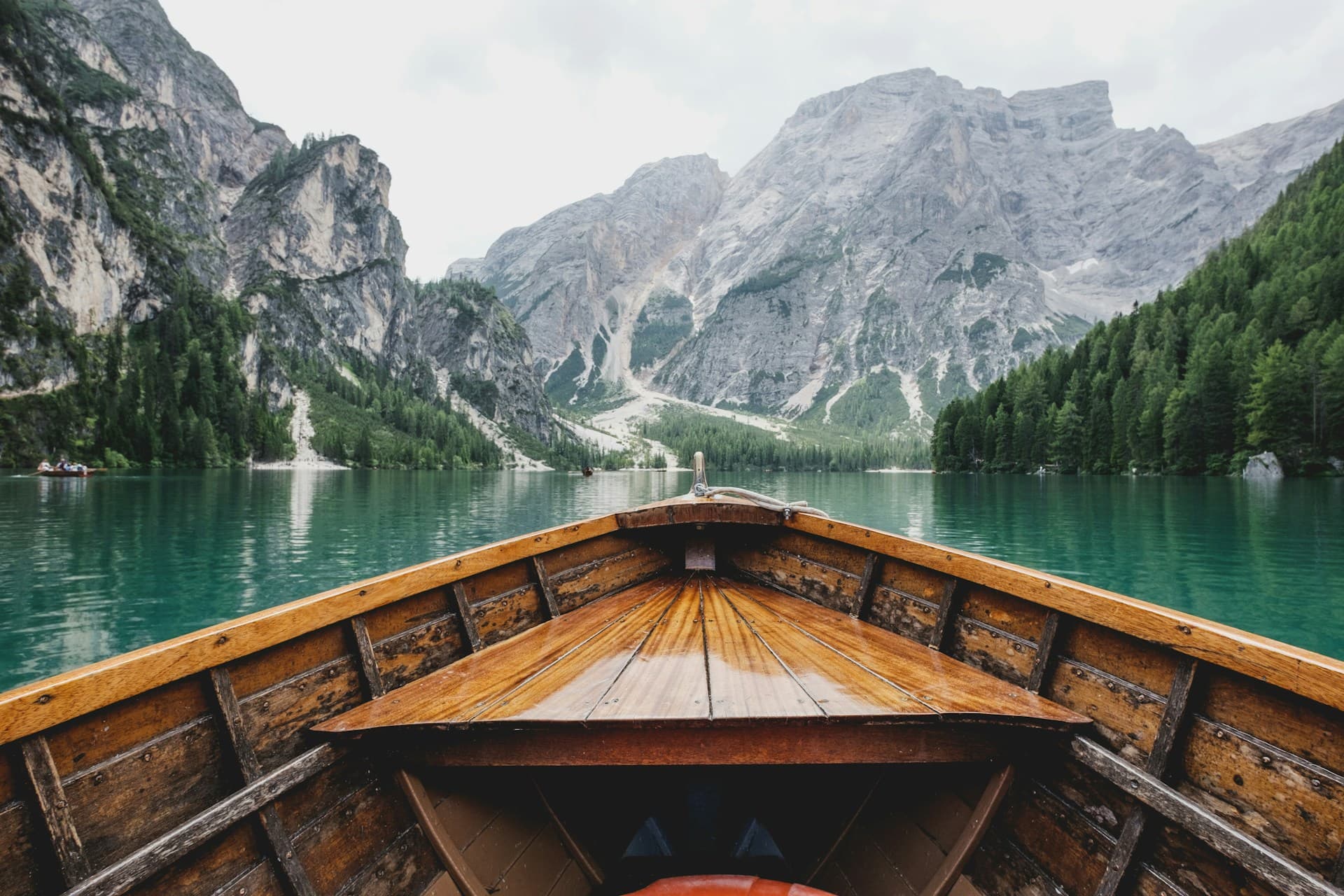
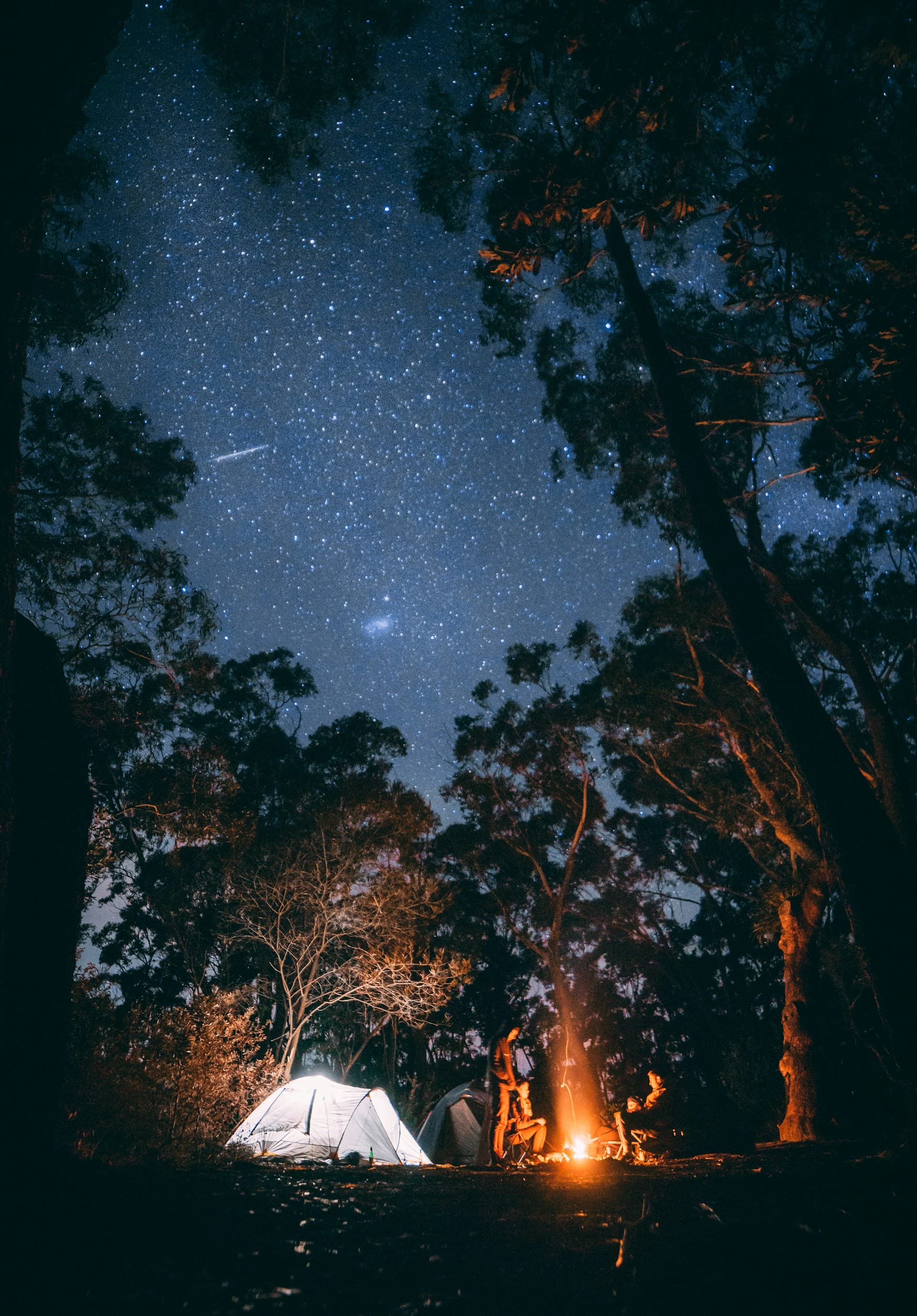
There is a version of travel that strips away the reservation confirmations, the luggage carousels, and the hotel check-in desks. Camping puts you directly in the landscape -- waking up to the sound of a river, cooking breakfast while mist lifts off a lake, falling asleep to a sky full of stars you forgot existed. Whether you prefer a backcountry site accessible only by a 10-mile hike or a glamping tent with a king-size bed and a private hot tub, camping connects you to a destination in a way no hotel can replicate.
This guide covers 20 of the best camping destinations across six continents, along with the practical details that matter most: permit requirements, wild camping laws, booking platforms, safety protocols, gear essentials, and the best months to pitch your tent.
Wild Camping Laws by Region
Before diving into specific destinations, understanding where you can legally camp outside established campgrounds is essential.
Where Wild Camping Is Legal
- Scotland: The Scottish Outdoor Access Code grants a right to camp on most unenclosed land, provided you camp responsibly and leave no trace.
- Scandinavia (Norway, Sweden, Finland): The "Allemannsretten" (Right to Roam) allows camping on uncultivated land for one or two nights, at least 150 meters from the nearest inhabited building.
- Iceland: Wild camping is legal on public uncultivated land outside national parks (a campsite is required in national parks). Campervans must use designated campgrounds.
- Estonia, Latvia, Lithuania: Generally permitted in forests and unenclosed land with restrictions near settlements.
- New Zealand: Freedom camping is allowed in designated areas; check the CamperMate app or freedomcamping.org for permitted locations.
Where Wild Camping Is Prohibited or Restricted
- England and Wales: Illegal without landowner permission (except Dartmoor National Park under specific conditions).
- Most of Western Europe (France, Germany, Italy, Spain): Prohibited, with fines ranging from 50 to 450 EUR. However, "bivouacking" (setting up after sunset, packing before sunrise, no tent in some cases) is tolerated in many mountain areas.
- United States: Prohibited in national parks outside designated sites. However, dispersed camping on Bureau of Land Management (BLM) and National Forest land is free and widely available (check with local ranger districts for fire restrictions).
- Australia: Varies by state; generally prohibited in national parks without a permit but allowed on some Crown land.
20 Best Camping Destinations in the World
1. Yosemite National Park -- California, USA
Why It Is Special: Granite monoliths (El Capitan, Half Dome), giant sequoias, waterfalls (Yosemite Falls, 739 meters), and glacier-carved valleys make this one of the most visually stunning landscapes on Earth.
Best Campsites: Upper Pines (238 sites, $36/night, the most central), North Pines ($36/night, along the Merced River), Camp 4 (walk-in, $6/person, the legendary climbers' camp)
Booking: recreation.gov -- reservations open 5 months ahead at 7 AM Pacific. Upper Pines sells out within minutes. Set a calendar reminder.
Permit Requirements: Wilderness permits required for backcountry camping (free, available at recreation.gov or park wilderness centers).
Best Months: May through October. June for peak waterfalls; September through October for fewer crowds and golden light.
2. Torres del Paine National Park -- Chile
Why It Is Special: The granite towers of Torres del Paine rise above glacial lakes, ancient forests, and Patagonian grasslands. The "W Trek" (4 to 5 days) and "O Circuit" (7 to 9 days) are among the world's greatest multi-day hikes.
Best Campsites: Camping Paine Grande (near Grey Glacier, from $15 USD/night), Camping Frances (in the French Valley, $12/night), Camping Torres (base camp for the Torres viewpoint, $12/night)
Booking: Book through verticepatagonia.cl or fantasticosur.com depending on the sector. Reservations are mandatory for all campsites and sell out months in advance for peak season.
Permit Requirements: Park entrance fee of 38,000 CLP (about $40 USD) for foreigners. All campsites must be pre-booked.
Best Months: November through March (austral summer). January is warmest but windiest; March has the most stable weather and autumn color.
3. Lofoten Islands -- Norway
Why It Is Special: Arctic beaches with turquoise water, jagged peaks rising from the sea, midnight sun, and Northern Lights (in winter). The landscape feels extraterrestrial.
Best Campsites: Wild camping is legal under the Right to Roam. Haukland Beach is a popular (and beautiful) spot. Established campgrounds include Ramberg Gjestegard (200 NOK/night, about $19) and Lofoten Beach Camp (250 NOK/night).
Booking: Wild camping requires no booking. Established sites can be reserved through their websites.
Permit Requirements: None for wild camping. Keep 150 meters from inhabited buildings.
Best Months: June through August for midnight sun and warmest temperatures (10 to 15 degrees Celsius). September through March for Northern Lights.
4. Fiordland National Park -- New Zealand
Why It Is Special: Part of Te Wahipounamu World Heritage Area, Fiordland contains Milford Sound, Doubtful Sound, and some of the wettest, most pristine temperate rainforest on the planet. The Milford Track (4 days, 53.5 km) is called "the finest walk in the world."
Best Campsites: DOC (Department of Conservation) campsites along the Milford Track ($75 NZD/night during Great Walk season), Milford Sound Lodge Campground (powered sites from $30 NZD/person), and numerous free DOC campgrounds in the broader Fiordland area.
Booking: Great Walk huts and campsites through doc.govt.nz -- bookings open in mid-June for the following October through April season and sell out within hours.
Permit Requirements: Great Walk passes required for Milford, Routeburn, and Kepler tracks. Backcountry hut passes ($5 NZD/night with a Backcountry Hut Pass) for non-Great Walk areas.
Best Months: November through April. January and February are warmest but busiest.
5. Kruger National Park -- South Africa
Why It Is Special: One of Africa's largest game reserves, with all of the Big Five (lion, leopard, elephant, rhinoceros, Cape buffalo) and an accessible, self-drive safari experience. Camping here means falling asleep to hyena calls and waking up to hornbills.
Best Campsites: Satara Rest Camp (one of the best for wildlife, from 480 ZAR/$26 USD for a tent site), Lower Sabie (overlooking the Sabie River, from 480 ZAR), Olifants (perched on a cliff above the Olifants River, from 480 ZAR)
Booking: sanparks.org -- book 11 months in advance for school holiday periods (South African school holidays in June/July and December/January).
Permit Requirements: Daily conservation fee of 460 ZAR ($25 USD) per adult foreigner, plus camping fees.
Best Months: May through September (dry season) for the best wildlife viewing as animals congregate at water sources. Winter mornings (June/July) can be cold (near freezing).
6. Banff and Jasper National Parks -- Alberta, Canada
Why It Is Special: The Canadian Rockies at their most magnificent -- turquoise glacial lakes (Lake Louise, Moraine Lake, Peyto Lake), massive glaciers, abundant wildlife (grizzly bears, elk, mountain goats), and the Icefields Parkway connecting the two parks (one of the most scenic highways in the world).
Best Campsites: Two Jack Lakeside (Banff, 44 sites directly on the lake, $28.25 CAD/night), Wapiti Campground (Jasper, winter camping available, $28.25 CAD), Wilcox Creek (along the Icefields Parkway, $17.50 CAD, first-come first-served)
Booking: reservation.pc.gc.ca -- reservations open in January for the summer season and popular lakeside sites sell out the first day.
Permit Requirements: Parks Canada daily pass ($11 CAD per adult) or annual Discovery Pass ($75 CAD). Backcountry camping requires a wilderness pass ($10.50 CAD/night).
Best Months: June through September. July and August are warmest (15 to 25 degrees Celsius) but most crowded; September offers golden larch season and fewer visitors.
7. Wadi Rum -- Jordan
Why It Is Special: A desert landscape of sandstone arches, towering buttes, and red sand that served as a filming location for Lawrence of Arabia, The Martian, and Dune. Camping here means sleeping under one of the clearest night skies in the world.
Best Campsites: Bedouin-run desert camps range from basic (mattress in a goat-hair tent, $30 to $50 USD including dinner and breakfast) to luxury glamping (Memories Aicha Luxury Camp, Wadi Rum Night Luxury Camp, from $150 to $300 USD with private tents, hot showers, and multi-course dinners).
Booking: Book through the camps directly or through booking.com. Wild camping in Wadi Rum requires a Bedouin guide.
Permit Requirements: Wadi Rum Protected Area entrance fee of 5 JOD ($7 USD); included in the Jordan Pass ($70 to $80 USD, which also covers Petra entrance).
Best Months: March through May and September through November. Summer temperatures exceed 40 degrees Celsius; winter nights drop below freezing.
8. Lake District National Park -- England
Why It Is Special: England's largest national park, with 16 major lakes, rugged fells (mountains), stone-walled villages, and the literary heritage of William Wordsworth and Beatrix Potter. The landscape is intimate rather than grand -- perfect for multi-day walking and wild swimming.
Best Campsites: Great Langdale (National Trust, from 9 GBP/night), Wasdale Head (at the foot of England's highest peak, Scafell Pike, 8 GBP/night), Baysbrown Farm (in the Langdale Valley, 10 GBP/night for a basic pitch)
Booking: National Trust campgrounds through nationaltrust.org.uk. Many Lake District campsites are small and independent -- book directly via their websites.
Permit Requirements: None for established campsites. Wild camping is generally tolerated on higher fells above the intake wall, following Leave No Trace principles.
Best Months: May through September. The Lake District receives significant rainfall year-round (2,000 mm annually in western valleys). Pack waterproof layers regardless of season.
9. Sahara Desert -- Morocco
Why It Is Special: The Erg Chebbi dunes near Merzouga reach 150 meters in height, creating a landscape of pure sand under an infinite sky. A camel trek into the dunes followed by a night at a desert camp is one of travel's most iconic experiences.
Best Campsites: Luxury desert camps in Erg Chebbi (Sahara Luxury Camp, Erg Chebbi Luxury Desert Camp) from $100 to $250 USD per person, including camel ride, dinner, breakfast, and traditional Berber music. Budget camps from $25 to $50 USD.
Booking: Through camp websites or Moroccan tour operators (Intrepid Travel, G Adventures, or local operators like Morocco Excursion Tours).
Permit Requirements: None for organized camps. Independent desert camping is not recommended without an experienced local guide.
Best Months: October through April. Summer temperatures in the Sahara regularly exceed 45 degrees Celsius.
10. Patagonian Lake District -- Argentina
Why It Is Special: Bariloche and the surrounding lake district offer Andean peaks, ancient Valdivian rainforest, crystal-clear lakes, and a distinctly Argentine outdoors culture. The region is often compared to Switzerland but with far fewer tourists.
Best Campsites: Camping Lago Gutierrez (free municipal campground on a glacial lake), Camping Lago Mascardi (from 3,000 ARS/$6 USD/night), Refugio Frey (mountain hut/campsite below Cerro Catedral, donation-based)
Booking: Many municipal campgrounds are first-come first-served. Refugios can be booked through clubandino.org.
Permit Requirements: National park entrance fee of approximately 6,000 ARS ($12 USD) for foreigners at Nahuel Huapi National Park.
Best Months: December through March (austral summer). January is peak season and most crowded.
11-15: Five More World-Class Camping Destinations
11. Dolomites -- Italy
Ancient coral reefs turned to jagged limestone peaks, with via ferrata routes, Alpine huts (rifugi), and some of Europe's most dramatic mountain scenery. Camp at Camping Sass Dlacia (30 EUR/night) near Corvara or wild-bivouac above the tree line (tolerated in South Tyrol above 2,500 meters). Best months: June through September.
12. Tarkine Wilderness -- Tasmania, Australia
The largest temperate rainforest in the Southern Hemisphere, with no cell reception, no crowds, and abundant wildlife including platypus, Tasmanian devils (in wildlife sanctuaries), and wombats. Free bush camping at Arthur River and Corinna. Best months: December through March.
13. Ladakh -- India
High-altitude desert camping at 3,500 to 5,000 meters with views of the Himalayas, ancient Buddhist monasteries, and turquoise Pangong Lake. Organized camps at Pangong Lake (from $30 USD/night) and Nubra Valley ($25 USD/night). Permits required for Pangong Lake and Nubra Valley (obtainable in Leh). Best months: June through September.
14. Namib Desert -- Namibia
The oldest desert in the world, home to the Sossusvlei dunes, Deadvlei (an ancient clay pan with 900-year-old dead camelthorn trees), and some of the darkest skies on the planet. Sesriem Campsite (inside the national park, 300 NAD/$16 USD/night, book through nwr.com.na) gives you first-entry access to the dunes at sunrise. Best months: April through October.
15. Jiuzhaigou Valley -- Sichuan, China
Multi-colored lakes, waterfall chains, and ancient forests in a UNESCO World Heritage Site. Camping within the park is prohibited, but authorized camps operate on the periphery. The nearest camping option is Zharu Valley Camp (about 200 CNY/$28 USD/night). Park entrance is 169 to 250 CNY depending on season. Best months: September through November for autumn color.
16-20: Remote and Off-Grid Adventures
16. Omo Valley -- Ethiopia
Cultural camping alongside some of Africa's most traditional communities (Hamar, Karo, Mursi). Organized camping safaris run $80 to $150 USD/day through operators like Dinknesh Ethiopia Tours. A local guide is essential and legally required for parts of the valley. Best months: September through March.
17. Svalbard -- Norway
Arctic camping at 78 degrees north latitude, with polar bears, Arctic foxes, and 24-hour sunlight in summer. All campers outside Longyearbyen must carry a firearm or travel with an armed guide (polar bear safety protocol). Organized base camps available through Svalbard Wildlife Expeditions. Best months: June through August.
18. Salar de Uyuni -- Bolivia
The world's largest salt flat becomes a perfect mirror during the rainy season (January through March). Multi-day 4WD tours from Uyuni include camping on the salt flat ($30 to $50 USD/day for basic tours, $100+ for comfort tours with heated tents). Best months: January through March for mirror effect; May through November for dry, geometric salt patterns.
19. Westland Tai Poutini National Park -- New Zealand
Temperate rainforest, glaciers descending almost to sea level (Franz Josef and Fox glaciers), and wild rivers. Free DOC campsites (basic, no facilities) are available throughout. Lake Mapourika Campsite ($8 NZD/night) offers lakeside camping with mountain views. Best months: October through April.
20. Scottish Highlands -- Scotland
Combine legal wild camping with some of Europe's most rugged landscapes. The Cape Wrath Trail (200 miles, 10 to 14 days) is Britain's hardest long-distance walk, and wild camping along it is the only option. Even without the trail, pitching a tent beside a Highland loch under the Northern Lights (visible October through March) is an unforgettable experience.
Essential Camping Gear Checklist
The Basics (For All Camping Styles)
- Tent: 3-season for most destinations; 4-season for altitude, Arctic, or winter camping. MSR Hubba Hubba NX ($450, 1.7 kg) or Big Agnes Copper Spur HV UL2 ($500, 1.3 kg) for ultralight backpacking.
- Sleeping bag: Temperature rating should be at least 10 degrees below the coldest expected nighttime temperature. Down bags pack smaller but lose insulation when wet; synthetic is more forgiving.
- Sleeping pad: R-value of 3 to 4 for 3-season; R-value 5+ for cold conditions. Therm-a-Rest NeoAir XLite ($200, R-value 4.2) is the go-to lightweight option.
- Headlamp: Petzl Actik Core ($80) or Black Diamond Spot 400 ($50). Always carry spare batteries.
- Water treatment: Sawyer Squeeze filter ($35, filters to 0.1 microns) or SteriPEN UV purifier ($55) for international destinations.
- First aid kit: Pre-assembled kits from Adventure Medical Kits ($25 to $50) plus any personal medications.
Cooking
- Stove: Jetboil Flash ($120, boils water in 100 seconds) for simplicity, or MSR PocketRocket 2 ($50) with a separate pot for more versatile cooking
- Fuel: Isobutane canisters are available worldwide but cannot be transported by air -- buy at your destination. Check fuel availability in remote areas before departing.
- Food storage: Bear canister required in many US wilderness areas (BearVault BV500, $80). Bear hangs are acceptable in some areas; check local regulations.
Campsite Booking Platforms
| Platform | Coverage | Notes |
|---|---|---|
| recreation.gov | US federal lands (NPS, USFS, BLM, Army Corps) | Reservations open on rolling schedule, usually 6 months ahead |
| reserve.campamerica.com | US private and state campgrounds | Good for KOA and private campground chains |
| doc.govt.nz | New Zealand DOC campsites | Great Walk bookings open mid-June |
| reservation.pc.gc.ca | Parks Canada | Opens January for summer season |
| pitchup.com | Europe (UK focus) | Private campgrounds, glamping, and caravan parks |
| hipcamp.com | US, Canada, Australia | Private land camping -- often unique, off-grid locations |
| park4night.com | Europe | Campervan and motorhome parking/camping spots (app-based) |
| iOverlander | Worldwide | Community-sourced camping and overlanding spots |
Safety Essentials
Wildlife
- Bears (North America): Store all food, toiletries, and scented items in a bear canister or hang from a tree (4 meters high, 1.5 meters from trunk). Cook 100 meters from your sleeping area. Carry bear spray ($40 to $55) in grizzly country.
- Snakes (Australia, Africa, Asia): Shake out boots and sleeping bags before use. Store gear inside sealed bags or containers. Watch where you step and place your hands.
- Mosquitoes (tropical and subarctic regions): Permethrin-treated clothing, DEET or picaridin repellent, and a mosquito net for your tent. In malarial zones, take prescribed prophylaxis.
Weather
- Always carry waterproof layers, even in desert climates (flash floods and cold nights are real risks).
- Check weather forecasts daily using mountain-forecast.com (global mountain weather) or the local meteorological service.
- In thunderstorm-prone areas (Colorado Rockies, East African highlands), finish high-altitude hikes before early afternoon.
Navigation
- Carry a physical map and compass as backup to your phone. Download offline maps on Maps.me, Gaia GPS ($40/year), or AllTrails+ ($36/year).
- In remote areas, a personal locator beacon (PLB) or satellite communicator (Garmin inReach Mini 2, $400 plus subscription) can save your life. These work everywhere on Earth, regardless of cell coverage.
Plan Your Camping Adventure with TripGenie
Whether you are coordinating a multi-park road trip through the American West or planning a trekking-and-camping circuit through Patagonia, TripGenie can build your itinerary around campsite availability, trail distances, and seasonal conditions. Input your dates, your camping style, and your fitness level, and let TripGenie map out the logistics so you can focus on the experience.
Final Thoughts
The best camping destinations in the world share a common trait: they give you direct, unmediated access to a landscape. No lobby, no concierge, no room service -- just you, your gear, and the natural world doing what it does. Book your sites early, pack for the worst weather, follow Leave No Trace principles, and remember that the best campsite is often the one just past the one that everyone else chose.
Topics

Written by
TripGenie Team
The TripGenie team is passionate about making travel planning effortless with AI. We combine travel expertise with cutting-edge technology to help you explore the world.
@tripgenieGet Travel Tips Delivered Weekly
Get our best travel tips, destination guides, and exclusive deals delivered straight to your inbox every week.
No spam, ever. Unsubscribe anytime.