
Your first trip to Europe is one of the great travel experiences. The concentration of history, culture, food, and beauty in a relatively small area is unmatched anywhere else in the world. But with dozens of incredible cities to choose from, deciding where to go can feel paralyzing.
This guide ranks ten cities based on the factors that matter most for first-time visitors: ease of navigation, English friendliness, walkability, value for money, and the density of iconic experiences. Each city includes a 3-day highlight plan to help you make the most of a short visit.
1. London, England
Why it tops the list: No language barrier, exceptional public transport, and a staggering concentration of world-class museums that happen to be free.
London is the easiest possible entry point to Europe. Everything operates in English, the Tube gets you everywhere, contactless payment is universal, and the cultural depth is bottomless. It is expensive, but the sheer number of free experiences — the British Museum, National Gallery, Tate Modern, Victoria and Albert Museum, all the major parks — means you can have extraordinary days without spending much at all.
3-Day Highlight Plan
Day 1: Historic London — Tower of London (book online, arrive at opening), walk across Tower Bridge, Borough Market for lunch, along the South Bank to the Tate Modern, cross the Millennium Bridge to St. Paul's Cathedral.
Day 2: Royal and Cultural London — Westminster Abbey, Big Ben and the Houses of Parliament (exterior), St. James's Park to Buckingham Palace (check changing of the guard schedule), walk through Green Park to Piccadilly, National Gallery in Trafalgar Square, Soho for dinner.
Day 3: Museum Day and Markets — British Museum in the morning (the Rosetta Stone, Parthenon Marbles, Egyptian galleries), Camden Market or Notting Hill (Portobello Road on Saturdays) for lunch, Hyde Park, end with evening drinks in Shoreditch or a West End show.
Budget tip: Get an Oyster card or use contactless payment for transport. Daily caps mean you never overpay.
2. Paris, France
Why it ranks high: The single most iconic city in the world for first-time European travelers. Every neighborhood is photogenic, the food is exceptional, and the art collections are unrivaled.
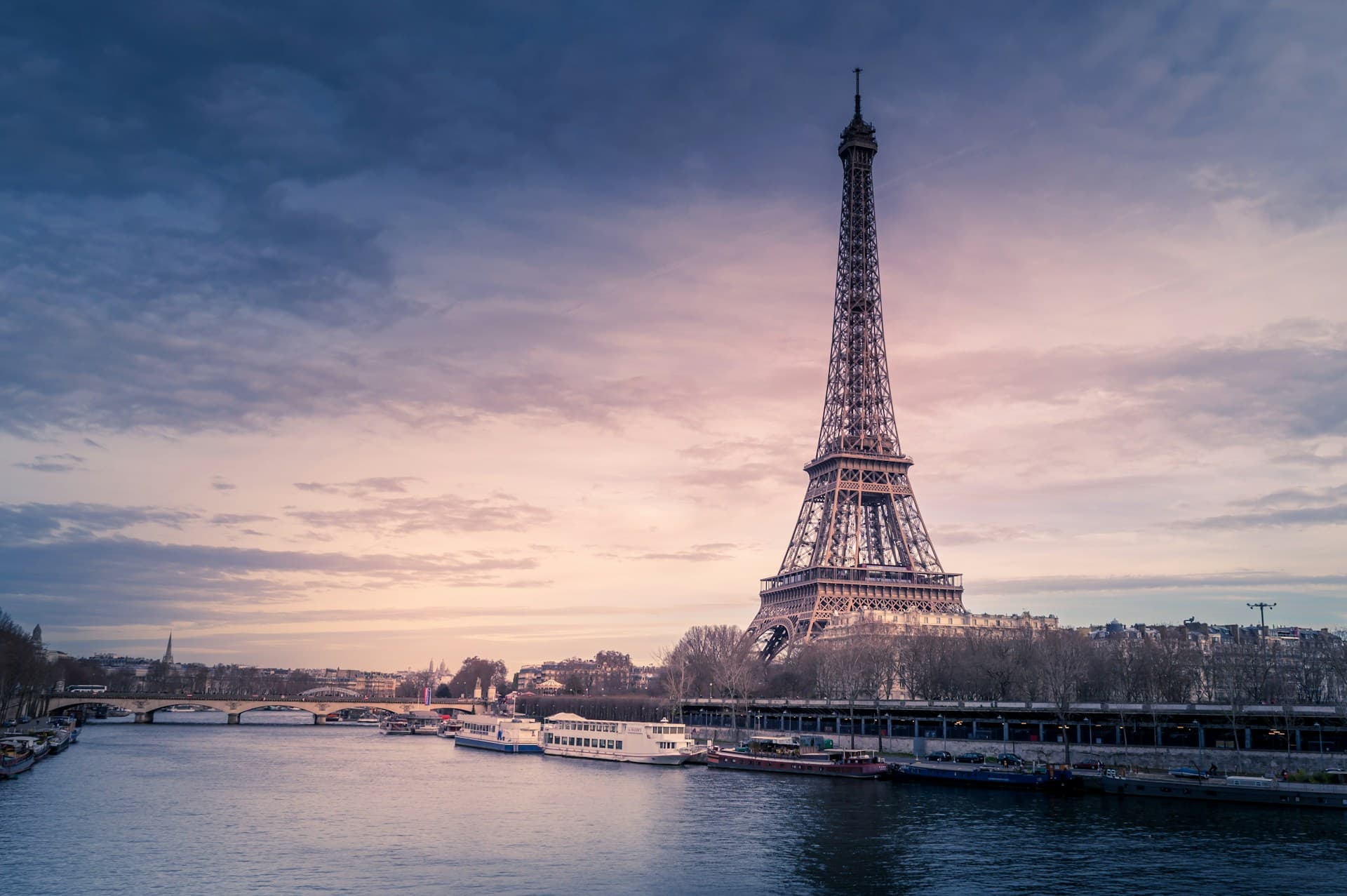
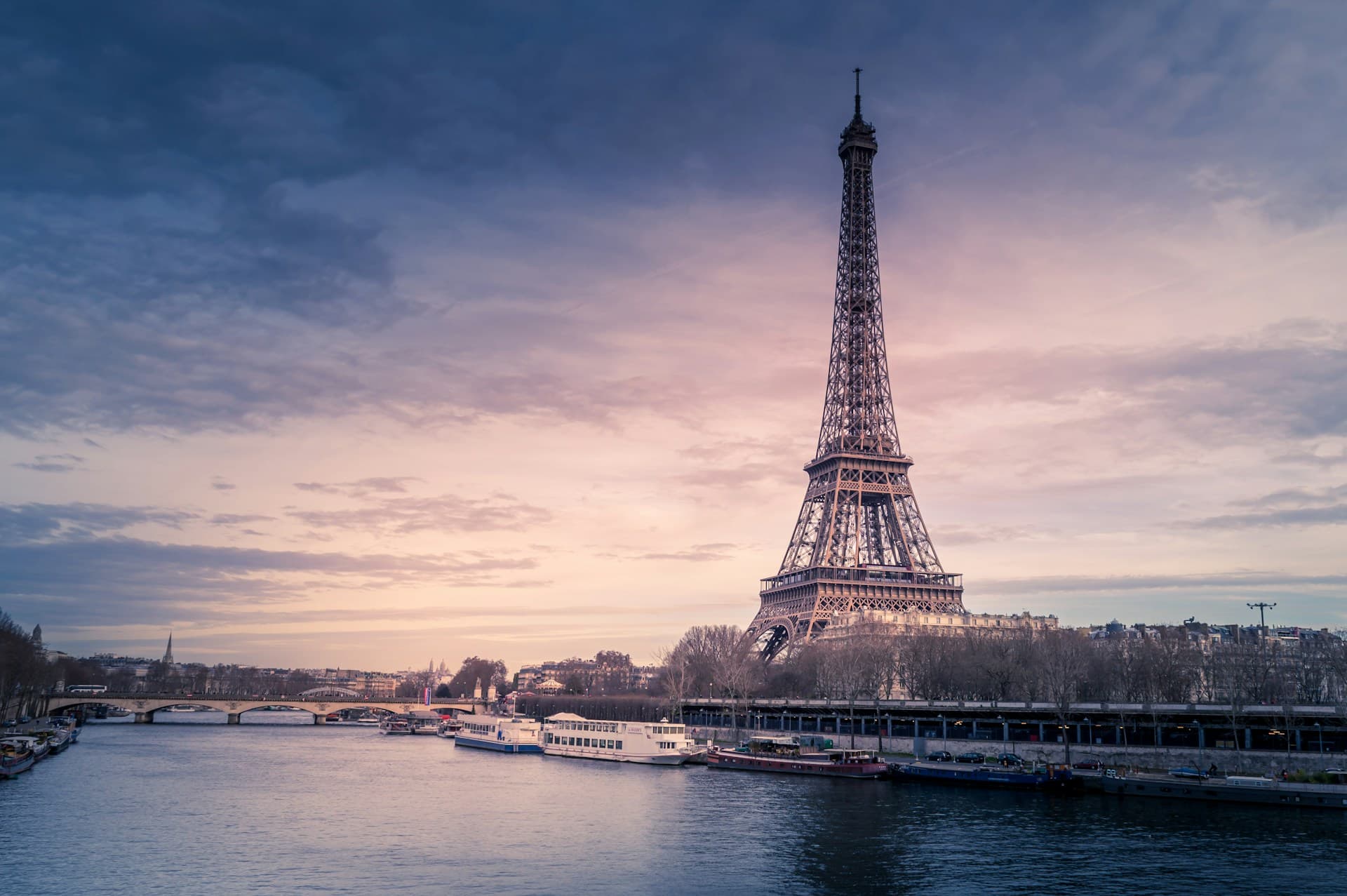
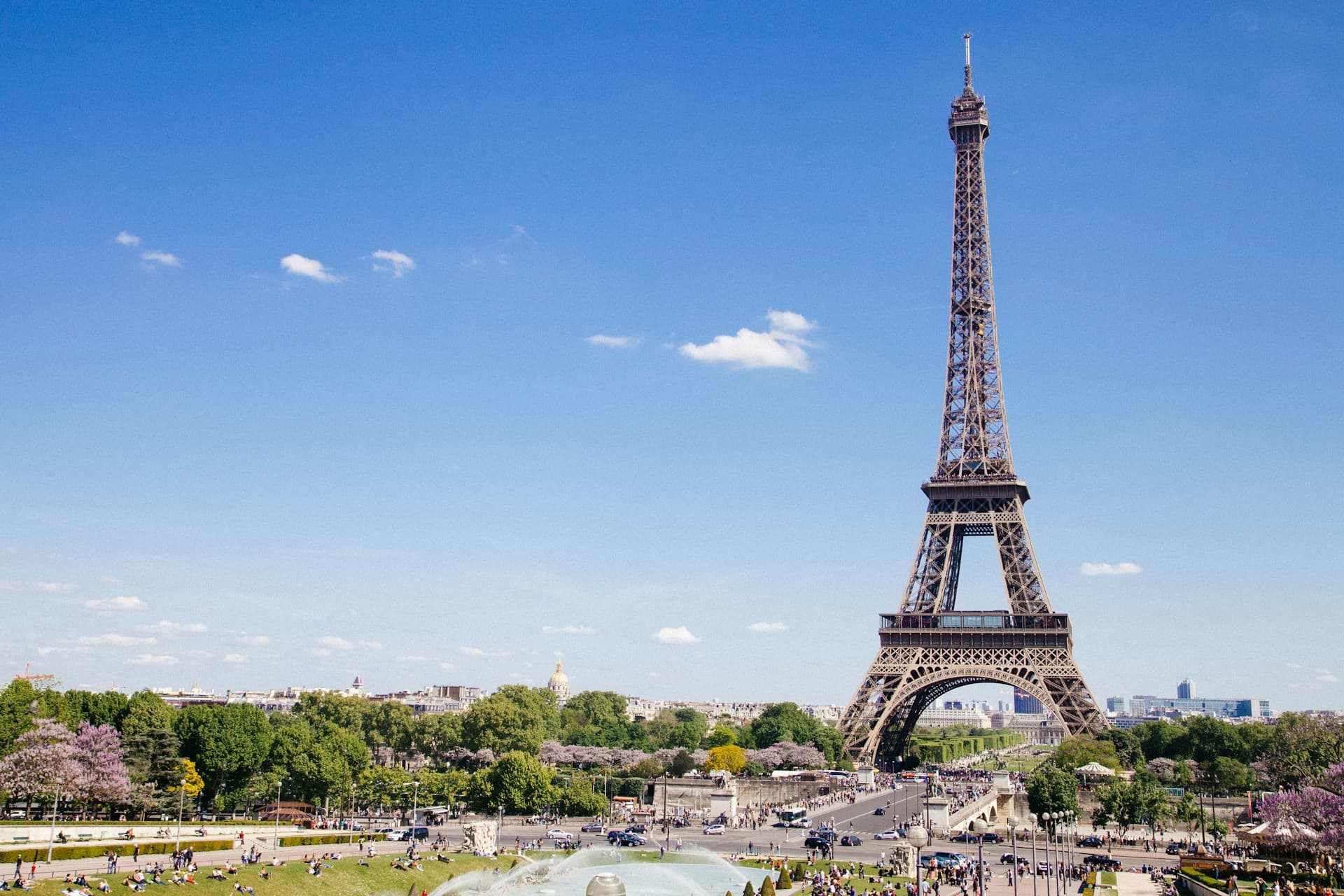
Paris requires slightly more planning than London — French service culture can feel formal if you are unprepared, and the language barrier is real in smaller establishments. But the Paris Metro is intuitive, the city is wonderfully walkable, and the density of landmarks is extraordinary. You can walk from the Louvre to Notre-Dame to the Eiffel Tower in a single afternoon.
3-Day Highlight Plan
Day 1: The Icons — Eiffel Tower (book timed tickets in advance), walk along the Seine to Musee d'Orsay (Impressionist art in a converted train station), cross to the Tuileries Garden, Place de la Concorde, walk up the Champs-Elysees to the Arc de Triomphe (climb it for sunset views).
Day 2: Art and History — Louvre in the morning (go straight to the Mona Lisa, then explore freely — you cannot see everything in one visit), walk to Notre-Dame (check reconstruction status), explore the Marais neighborhood for lunch, Place des Vosges, evening in Saint-Germain-des-Pres.
Day 3: Montmartre and Local Paris — Sacre-Coeur and Montmartre in the morning, walk through the winding streets, lunch at a traditional bistro, afternoon at the Musee de l'Orangerie (Monet's Water Lilies), evening cruise on the Seine or dinner in the Latin Quarter.
Budget tip: Many museums are free on the first Sunday of each month. A Paris Museum Pass (2 or 4 days) saves money if you plan to visit three or more paid attractions.
3. Amsterdam, Netherlands
Why it ranks high: Compact, bike-friendly, almost universally English-speaking, and endlessly charming. Amsterdam is Europe on easy mode.
Amsterdam might be the most approachable city in continental Europe. Nearly everyone speaks fluent English, the city center is small enough to walk across in 30 minutes, and the canal-house architecture makes even a simple walk feel like an experience. The Rijksmuseum and Van Gogh Museum are world-class, and the Anne Frank House is one of the most powerful museum experiences anywhere.
3-Day Highlight Plan
Day 1: Canal Ring and Culture — Anne Frank House (book tickets exactly 6 weeks in advance; they sell out within hours), walk the Jordaan neighborhood, lunch at a canal-side cafe, Rijksmuseum in the afternoon (Rembrandt's Night Watch and Vermeer's Milkmaid), evening in the Leidseplein area.
Day 2: Art and Neighborhoods — Van Gogh Museum in the morning, Vondelpark for a walk, Albert Cuyp Market in De Pijp neighborhood for lunch (try stroopwafels and herring), NDSM Wharf ferry for street art and waterfront dining.
Day 3: Beyond the Center — Rent a bike and ride to Waterland villages north of the city, or take a day trip to Zaanse Schans (windmills) or Haarlem. Afternoon: explore the Nine Streets (Negen Straatjes) shopping area. Evening: drinks at a brown cafe (traditional Dutch pub).
Budget tip: The I Amsterdam City Card includes transport, a canal cruise, and museum entry. Worth it if you plan to visit multiple museums.
4. Rome, Italy
Why it ranks high: Nowhere else on Earth concentrates 2,500 years of history, world-class cuisine, and a vibrant street life quite like Rome.
Rome can be chaotic — the traffic is aggressive, the metro is limited, and the summer heat is oppressive. But the payoff is immense. Walking through the Roman Forum, standing inside the Pantheon, or eating cacio e pepe in a Trastevere trattoria are experiences that resonate long after you leave.
3-Day Highlight Plan
Day 1: Ancient Rome — Colosseum and Roman Forum (combined ticket, book in advance), Palatine Hill, walk to Piazza Venezia, Pantheon (free entry, arrive early), Piazza Navona, dinner near Campo de' Fiori.
Day 2: Vatican City — Vatican Museums and Sistine Chapel in the morning (book skip-the-line tickets or go on the last Sunday of the month for free entry with long lines), St. Peter's Basilica (free, climb the dome for views), Castel Sant'Angelo, evening walk to the Spanish Steps and Trevi Fountain.
Day 3: Roman Life — Trastevere neighborhood for morning coffee and market browsing, Borghese Gallery (reservations required, limited entry), Villa Borghese gardens, Via del Corso shopping, aperitivo in Monti neighborhood.
Budget tip: Rome's best experiences are free — the Pantheon, St. Peter's, people-watching in piazzas, and walking through ancient neighborhoods. Eat where locals eat, away from major tourist sites, and prices drop dramatically.
5. Barcelona, Spain
Why it ranks high: Beach, architecture, food, and nightlife in a single city with a Mediterranean climate that makes even November pleasant.
Barcelona combines the cultural depth of a major European capital with the laid-back energy of a beach town. Gaudi's architecture alone justifies a visit — the Sagrada Familia is one of the most extraordinary buildings on the planet — but the food scene (from market tapas to Michelin-starred innovation), the walkable neighborhoods, and the energy of La Rambla and the Gothic Quarter make Barcelona irresistible.
3-Day Highlight Plan
Day 1: Gaudi and the Gothic Quarter — Sagrada Familia in the morning (book tickets weeks in advance; the interior is genuinely awe-inspiring), walk through the Eixample district to see Casa Batllo and Casa Mila (La Pedrera), Gothic Quarter exploration in the afternoon, tapas dinner on Carrer Blai in Poble Sec.
Day 2: Park, Beach, and Food — Park Guell in the morning (timed entry required), Gracia neighborhood for lunch, Barceloneta Beach in the afternoon, sunset drinks at a chiringuito (beach bar), evening walk along the Port Olimpic.
Day 3: Markets and Mountains — La Boqueria Market on La Rambla for breakfast, Picasso Museum in El Born, El Born neighborhood for boutique shopping and lunch, afternoon cable car to Montjuic for panoramic views, Fundacio Joan Miro or the Montjuic Castle.
Budget tip: The Menu del Dia (set lunch menu) at local restaurants offers a multi-course meal with wine for 10-15 euros — extraordinary value.
6. Prague, Czech Republic
Why it ranks high: Stunning medieval architecture, excellent beer, and prices that make Western Europe look extravagant.
Prague offers the fairy-tale European experience at a price point that is genuinely affordable. The Old Town Square, Charles Bridge, and Prague Castle create one of the most photogenic urban landscapes in the world. The beer is famously cheap (often less expensive than water), the food is hearty and satisfying, and the city is small enough to cover on foot.
3-Day Highlight Plan
Day 1: Old Town and Jewish Quarter — Old Town Square (watch the Astronomical Clock strike the hour), walk through the narrow streets, Jewish Quarter (synagogues and the old cemetery), lunch at a traditional Czech pub, cross Charles Bridge at sunset.
Day 2: Castle and Mala Strana — Prague Castle complex in the morning (arrive at 9 AM before the crowds — St. Vitus Cathedral, Old Royal Palace, Golden Lane), walk down through Mala Strana (Lesser Town), Lennon Wall, Kampa Island, evening at a beer hall.
Day 3: Beyond the Tourist Center — Vysehrad fortress (quieter than Prague Castle, great views), Vinohrady neighborhood for brunch, Letna Park for panoramic views of the bridges, National Gallery, evening bar-crawling in Zizkov (the neighborhood with the most pubs per capita in Europe).
Budget tip: A half-liter of Czech beer costs 40-60 CZK ($1.50-2.50) in a local pub. Eat at hospody (traditional pubs) for full meals under $8.
7. Lisbon, Portugal
Why it ranks high: Warm weather, incredible food, welcoming people, and some of the best value in Western Europe.
Lisbon has the warmth and character that some European capitals lack. The city spills over seven hills, each offering a different neighborhood character and sweeping views of the Tagus River. The pastel de nata (custard tart) alone is worth the trip, but the seafood, the fado music, the street art, and the easy day trips to Sintra and Cascais make Lisbon a complete destination.
3-Day Highlight Plan
Day 1: Alfama and Belem — Take Tram 28 through Alfama (or walk the route to avoid pickpockets on the crowded tram), Sao Jorge Castle for views, lunch in Alfama, afternoon in Belem — Jeronimos Monastery, Tower of Belem, Pasteis de Belem (the original pastel de nata bakery — the line moves fast).
Day 2: Bairro Alto and Chiado — Morning at the LX Factory (creative market and food hall in a former industrial complex), walk through Chiado for shopping and coffee at A Brasileira, Carmo Convent, Santa Justa Elevator, afternoon at the MAAT museum, evening fado show in Alfama.
Day 3: Day Trip to Sintra — Train to Sintra (40 minutes), Pena Palace (a colorful Romanticist castle), walk through the forest to the Moorish Castle, Sintra National Palace and the town center for lunch, return to Lisbon for a final sunset at Miradouro da Graca.
Budget tip: The Viva Viagem card works on all public transport including the ferries across the Tagus. Ginjinha (sour cherry liqueur) from a window bar costs about 1.50 euros.
8. Vienna, Austria
Why it ranks high: Imperial grandeur, a coffee house culture that is UNESCO-listed, and a classical music scene that no other city can match.
Vienna is polished, elegant, and deeply cultured. The Habsburgs built a city designed to impress, and it still does. The Ring Road alone — lined with the Opera House, Natural History Museum, Parliament, and City Hall — is one of the great urban boulevards. Add the world's finest pastries, standing-room opera tickets for 4 euros, and a public transport system that runs like clockwork, and you have one of Europe's most rewarding cities.
3-Day Highlight Plan
Day 1: Imperial Vienna — Schonbrunn Palace (arrive early, take the Grand Tour), return to the center, walk the Ring Road, Hofburg Palace and the Imperial Apartments, afternoon coffee and Sachertorte at Cafe Central or Cafe Sacher, evening opera or concert (standing tickets are cheap and available same-day).
Day 2: Art and Culture — Belvedere Palace (Klimt's "The Kiss"), MuseumsQuartier for modern art (Leopold Museum, mumok), Naschmarkt for lunch (Vienna's best food market), Stephansdom (St. Stephen's Cathedral — climb the south tower), evening at a traditional heuriger (wine tavern) in Grinzing.
Day 3: Music and Local Vienna — Haus der Musik (interactive music museum), Albertina (excellent art collection), stroll through the Prater park and ride the giant Ferris wheel, afternoon in the charming Spittelberg quarter, final dinner at a traditional Beisl (Viennese pub).
Budget tip: Standing tickets at the Staatsoper (State Opera) cost 4-15 euros for world-class performances. The Vienna City Card includes transport and museum discounts.
9. Edinburgh, Scotland
Why it ranks high: No language barrier, a dramatic skyline, walkability, and a literary-pub culture that rewards slow exploration.
Edinburgh is a city built for atmosphere. The medieval Old Town, stacked along a volcanic ridge from Edinburgh Castle to the Palace of Holyroodhouse, is one of the most dramatic urban landscapes in Europe. The Georgian New Town offers elegant streets, excellent restaurants, and world-class galleries. And in August, the Edinburgh Festival Fringe transforms the city into the world's largest arts festival.
3-Day Highlight Plan
Day 1: The Royal Mile — Edinburgh Castle (book online), walk the Royal Mile down to the Palace of Holyroodhouse, St. Giles' Cathedral, Mary King's Close (underground tour of medieval streets), dinner in the Grassmarket with views of the castle.
Day 2: New Town and Arthur's Seat — National Museum of Scotland (free, excellent), hike Arthur's Seat (the ancient volcano in Holyrood Park — about 1 hour to the summit for 360-degree city views), afternoon in the New Town — Georgian House, shopping on George Street, Scottish National Gallery, evening pub crawl on Rose Street.
Day 3: Beyond the Center — Dean Village (a hidden medieval village by the river, minutes from the center), Scottish National Gallery of Modern Art, walk along the Water of Leith, afternoon at the Royal Botanic Garden, evening whisky tasting at The Scotch Whisky Experience or a specialist whisky bar.
Budget tip: Most of Edinburgh's major museums are free. A dram of single malt in a good pub runs 5-8 pounds.
10. Berlin, Germany
Why it ranks high: Affordable by Western European standards, excellent public transport, world-class museums, and a modern history that is presented with unflinching honesty.
Berlin does not have the immediate fairy-tale beauty of Prague or the monumental grandeur of Paris. Its appeal is different — raw, creative, and deeply thought-provoking. The city's handling of its 20th-century history (from the Nazi era to the Berlin Wall) is a model for how nations can confront their darkest chapters. Add a thriving food scene, vibrant neighborhoods, and prices that are genuinely reasonable, and Berlin becomes one of Europe's most compelling cities.
3-Day Highlight Plan
Day 1: History — Brandenburg Gate, walk to the Holocaust Memorial (the underground information center is essential), Checkpoint Charlie and the Berlin Wall documentation center, Topography of Terror (free, on the site of the former Gestapo headquarters), East Side Gallery (longest remaining stretch of the Berlin Wall), evening in Kreuzberg for Turkish food and bars.
Day 2: Museum Island and Culture — Museum Island (Pergamon Museum, Neues Museum with the bust of Nefertiti), Unter den Linden boulevard, Berlin Cathedral, Alexanderplatz and the TV Tower, afternoon in Prenzlauer Berg for coffee and boutiques, evening at a beer garden.
Day 3: Alternative Berlin — Mauerpark flea market (Sundays), Tempelhofer Feld (the former airport turned into a massive public park), Street art tour in Friedrichshain, the Reichstag dome (book free timed tickets in advance for glass dome views over the city), sunset from Klunkerkranich rooftop bar.
Budget tip: Berlin has some of the cheapest doner kebabs and street food in Western Europe. A filling doner costs 4-6 euros. Many museums offer free entry on select days.
Planning Tips for First-Time Europe Visitors
How Many Cities?
The most common mistake is trying to see too much. For a first trip:
- One week: 2 cities maximum
- Two weeks: 3-4 cities
- Three weeks: 4-5 cities
Spend at least 3 full days in each city. You will see more by going deeper in fewer places than by racing through a checklist.
Getting Between Cities
- Flights: Budget airlines (Ryanair, EasyJet, Wizz Air) connect most European cities for 20-80 euros if booked in advance. Watch for baggage fees.
- Trains: The Eurostar (London-Paris in 2h15), Thalys/Eurostar (Paris-Amsterdam in 3h15), and high-speed rail in Spain, Italy, and Germany are comfortable and city-center to city-center.
- Rail passes: Eurail passes can save money on multi-city trips, but do the math — point-to-point tickets are sometimes cheaper.
Money-Saving Tips
- Free walking tours: Available in every major European city. Tip-based, so you pay what you think it was worth.
- Lunch, not dinner: Many restaurants offer the same quality food at lunch for significantly less.
- Shoulder season: May-June and September-October offer the best combination of weather, moderate crowds, and reasonable prices.
- Supermarkets: A baguette, cheese, and wine from a Parisian supermarket makes a better (and cheaper) lunch than most tourist restaurants.
Let AI Plan Your First Europe Trip
Choosing cities, booking trains, timing museum visits, and fitting everything into your schedule is exactly the kind of logistical puzzle that TripGenie handles beautifully. Tell us your dates, interests, and must-sees, and we will build a day-by-day European itinerary that makes the most of every hour.
Topics

Written by
TripGenie Team
The TripGenie team is passionate about making travel planning effortless with AI. We combine travel expertise with cutting-edge technology to help you explore the world.
@tripgenieGet Travel Tips Delivered Weekly
Get our best travel tips, destination guides, and exclusive deals delivered straight to your inbox every week.
No spam, ever. Unsubscribe anytime.