
Why Driving Through Europe Is Different from Anywhere Else
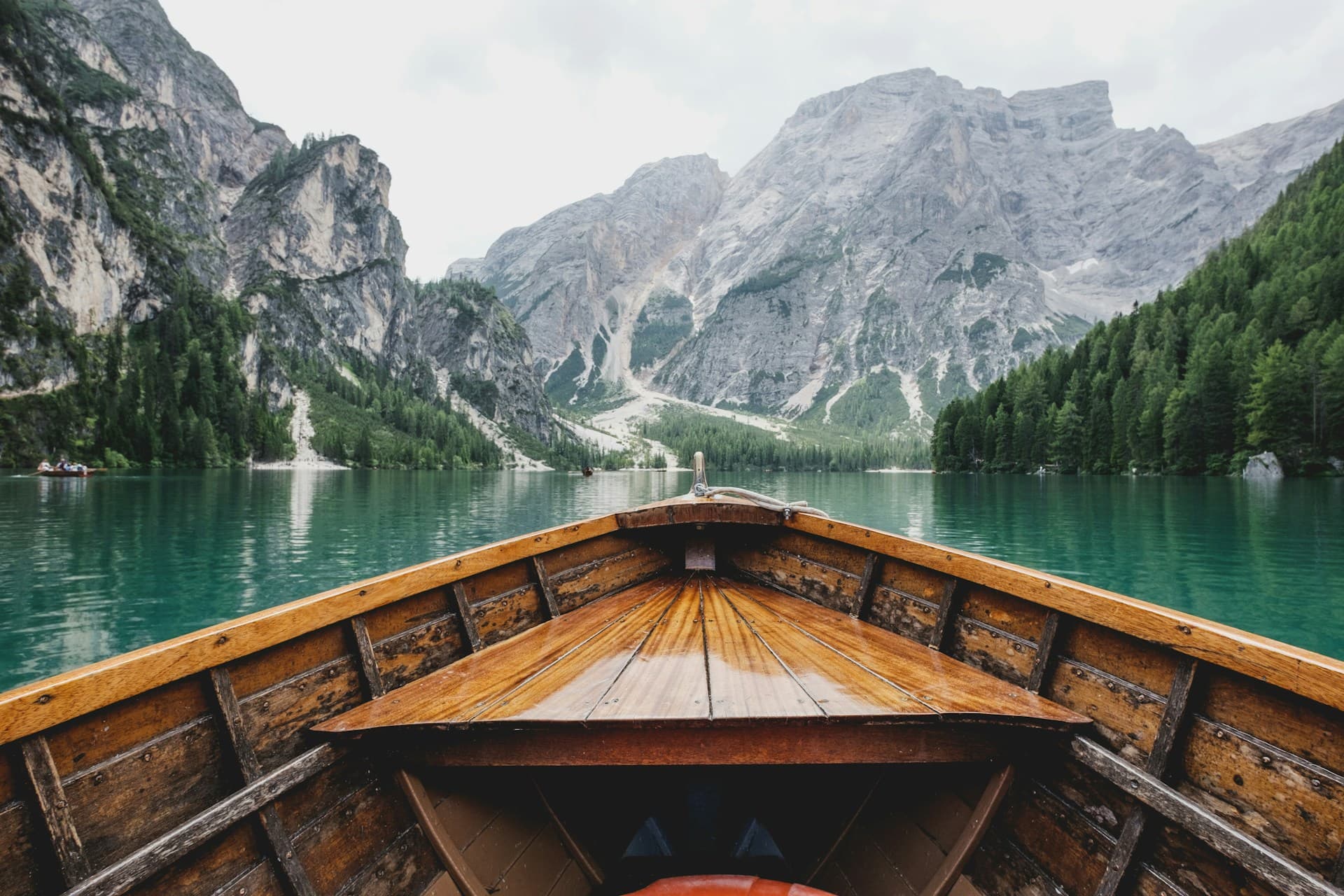
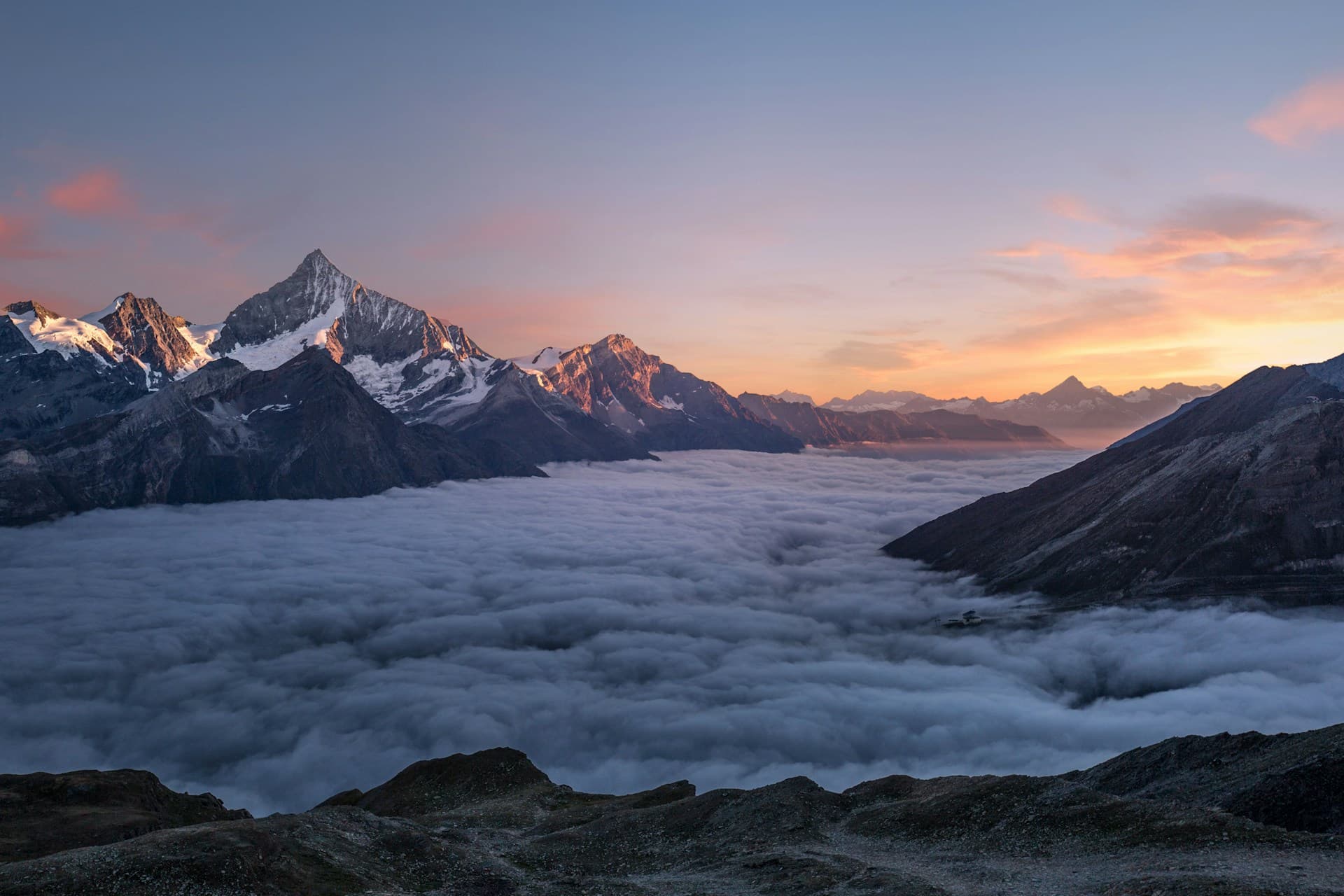
Europe packs an extraordinary density of landscapes, cultures, and cuisines into a relatively small area. A single day of driving can take you from a Mediterranean fishing village to an Alpine pass to a medieval walled city. Unlike the vast open stretches of American road trips, European drives reward short distances and frequent stops. Border crossings happen without fanfare (within the Schengen Area), and the infrastructure for road travel -- from well-maintained highways to charming roadside inns -- has been refined over centuries.
This guide covers 20 of the best driving routes across the continent, with practical details on distance, fuel costs, tolls, speed limits, and the International Driving Permit requirements that catch many travelers off guard.
Essential Driving Information for Europe
International Driving Permit (IDP)
An IDP translates your license into multiple languages and is required or strongly recommended in most European countries for non-EU license holders. In the United States, get one through AAA ($20, valid for 1 year). Countries where an IDP is legally required for US license holders include Italy, Austria, Spain, Greece, and Poland. In practice, rental car companies in Germany, France, and the UK will accept a US license alone, but police in rural areas may not.
Speed Limits by Country
| Country | Motorway | Open Road | Urban |
|---|---|---|---|
| Germany | No limit (many sections) | 100 km/h | 50 km/h |
| France | 130 km/h | 80 km/h | 50 km/h |
| Italy | 130 km/h | 90 km/h | 50 km/h |
| Spain | 120 km/h | 90 km/h | 50 km/h |
| UK | 70 mph (112 km/h) | 60 mph (96 km/h) | 30 mph (48 km/h) |
| Norway | 110 km/h | 80 km/h | 50 km/h |
| Iceland | 90 km/h | 80 km/h | 50 km/h |
| Switzerland | 120 km/h | 80 km/h | 50 km/h |
Toll Systems
- France: Toll booths on autoroutes; a Paris-to-Nice drive costs approximately 75 EUR in tolls
- Italy: Distance-based tolls; Milan to Rome costs about 45 EUR
- Switzerland: Annual vignette (motorway sticker) required, CHF 40 (about $44)
- Austria: 10-day vignette for 9.90 EUR, available at gas stations near the border
- Portugal: Electronic tolls on some motorways; rent a Via Verde transponder at the airport or rental agency
- Norway: AutoPASS tolls are automatic and billed to rental car companies (with a surcharge); register at autopass.no for visitor rates
Fuel Costs
As of early 2026, average fuel prices in Europe:
- Netherlands: 2.05 EUR/liter (most expensive in Western Europe)
- Norway: 19 NOK/liter (about 1.80 EUR)
- France: 1.85 EUR/liter
- Germany: 1.78 EUR/liter
- Spain: 1.55 EUR/liter
- Poland: 6.80 PLN/liter (about 1.55 EUR)
Diesel is typically 10 to 20 cents cheaper per liter than gasoline. A compact diesel rental car averaging 5.5 liters per 100 km is the most economical choice for European road trips.
The 20 Best Road Trips in Europe
1. Ring Road (Route 1) -- Iceland
Route: Full loop around Iceland
Distance: 1,322 km (821 miles)
Duration: 7 to 14 days
Fuel Cost: Approximately 25,000 ISK ($180 USD)
Best Season: June through August (24-hour daylight, all roads open)
Iceland's Route 1 circles the entire island, passing waterfalls (Seljalandsfoss, Skogafoss, Dettifoss, Godafoss), black sand beaches (Reynisfjara), glacier lagoons (Jokulsarlon), geothermal areas (Myvatn), and fishing villages that feel like the edge of the world. The road is almost entirely paved, though single-lane bridges are common in the east.
Must-Stop Locations: Vik, Hofn, Egilsstadir, Akureyri, Snaefellsnes Peninsula (a 2-day detour well worth it)
Rental Tip: A 2WD car handles Route 1 in summer, but a 4WD is required for any F-road (highland) detours. Book through Lava Car Rental, Blue Car Rental, or Lotus Car Rental for local options. International agencies charge 20 to 40% more.
Camping: Wild camping is prohibited. Campgrounds cost 1,500 to 2,500 ISK ($11 to $18) per person per night and are found every 30 to 60 km around the ring road.
2. Amalfi Coast -- Italy
Route: Sorrento to Salerno (or reverse) via the SS163
Distance: 50 km (31 miles)
Duration: 1 to 3 days
Fuel Cost: About 8 EUR
Best Season: April through June, September through October (summer is gridlocked)
The SS163 hugs cliffs above the Tyrrhenian Sea, threading through tunnels carved into rock, past lemon groves, and through villages that cascade down hillsides to the water. The road is narrow -- barely two lanes in most sections -- and meeting oncoming buses requires patience and nerve.
Must-Stop Locations: Positano, Amalfi (the cathedral), Ravello (Villa Rufolo gardens, 8 EUR admission), Praiano, Furore (fjord-like inlet)
Driving Tip: Start from Sorrento heading south so you drive on the cliff side (outside lane) with the sea views. Avoid driving on weekends from June through August -- the road can gridlock for hours. Consider parking in Amalfi or Positano and using SITA buses between towns.
3. Scottish Highlands -- North Coast 500
Route: Loop from Inverness around the northern Scottish Highlands
Distance: 830 km (516 miles)
Duration: 5 to 7 days
Fuel Cost: Approximately 80 GBP ($100 USD)
Best Season: May through September (longest daylight, warmest weather)
Scotland's answer to Route 66, the NC500 loops through some of the most dramatic and sparsely populated landscape in Western Europe. Single-track roads with passing places are the norm in the far north. The route passes white sand beaches (Balnakeil, Durness), rugged coastline, the otherworldly Smoo Cave, and castles like Dunrobin.
Must-Stop Locations: Applecross (via the Bealach na Ba pass, the steepest road in the UK), Durness, Thurso, John O'Groats, Duncansby Stacks, Inverewe Gardens
Camping: Wild camping is legal in Scotland under the Scottish Outdoor Access Code. Established campsites cost 15 to 25 GBP per night.
Accommodation: The NC500 has limited hotels; book months ahead for summer. Expect 80 to 150 GBP per night for B&Bs, which are the most charming option.
4. Route Napoleon -- France
Route: Grenoble to Grasse (or reverse)
Distance: 325 km (202 miles)
Duration: 2 to 3 days
Fuel Cost: Approximately 35 EUR
Best Season: April through June, September through October
This route follows Napoleon's path from the Mediterranean coast to Grenoble after his escape from Elba in 1815. The road (N85 and connecting routes) climbs through lavender fields of Haute-Provence, crosses the dramatic Col Bayard, and passes through medieval hilltop villages. It is one of the most underrated drives in France.
Must-Stop Locations: Grasse (perfume capital of the world, visit Fragonard factory for free tours), Castellane (gateway to the Verdon Gorge), Sisteron (the Citadel), Gap, Corps, Grenoble
Detour: The Verdon Gorge (Route des Cretes) is a 1-day detour from Castellane and arguably the most spectacular canyon road in Europe.
5. Romantic Road -- Germany
Route: Wurzburg to Fussen
Distance: 460 km (286 miles)
Duration: 3 to 5 days
Fuel Cost: Approximately 40 EUR
Best Season: December for Christmas markets; May through June for spring landscapes; September through October for wine harvest
Germany's most famous tourist route passes through medieval walled towns, baroque churches, rolling farmland, and ends at Neuschwanstein Castle -- the fairy-tale castle that inspired Disney. The route is well-signposted with brown "Romantische Strasse" signs.
Must-Stop Locations: Wurzburg (Residenz Palace, UNESCO site), Rothenburg ob der Tauber (best-preserved medieval town in Germany), Dinkelsbuhl, Nordlingen (built inside a meteorite crater), Augsburg, Fussen/Neuschwanstein
Driving Tip: No tolls on this route. The A7 autobahn parallels the route for faster sections if you are short on time.
6. Wild Atlantic Way -- Ireland
Route: Mizen Head (County Cork) to Malin Head (County Donegal)
Distance: 2,500 km (1,553 miles)
Duration: 10 to 14 days
Fuel Cost: Approximately 180 EUR
Best Season: May through September (though rain is possible any day of the year)
The longest defined coastal driving route in the world follows Ireland's Atlantic coastline through County Kerry's dramatic peninsulas, the Cliffs of Moher, the Burren's lunar landscape, Connemara's wild beauty, and Donegal's remote headlands. The route is well-marked with blue and yellow WAW signs.
Must-Stop Locations: Mizen Head, Ring of Kerry, Dingle Peninsula, Cliffs of Moher (8 EUR admission), The Burren, Galway city, Connemara, Slieve League cliffs (free, and higher than the Cliffs of Moher), Malin Head
Driving Tip: Roads are narrow. Pull into passing places to let faster traffic by. Sheep have right of way -- this is not a joke.
7. Trollstigen and Atlantic Ocean Road -- Norway
Route: Geiranger to Kristiansund (via Trollstigen, Eagle Road, and the Atlantic Ocean Road)
Distance: Approximately 350 km (217 miles) with ferry crossings
Duration: 2 to 3 days
Fuel Cost: Approximately 400 NOK ($38 USD) plus ferry costs (200 to 500 NOK per crossing)
Best Season: June through August (Trollstigen is closed October through May)
Trollstigen ("the Troll's Ladder") is a series of 11 hairpin bends climbing 858 meters, with waterfalls cascading beside the road. The Atlantic Ocean Road (Atlanterhavsveien) is an 8.3 km stretch of road that hops between islets on eight bridges, with waves crashing over the roadway in storms.
Must-Stop Locations: Geiranger (UNESCO fjord), Trollstigen viewpoint (free), Molde (panoramic view of 222 peaks), Atlantic Ocean Road, Kristiansund
Accommodation: Geiranger has limited hotels (150 to 250 EUR/night in summer); consider camping (Geiranger Camping, 200 NOK/night) or staying in Alesund.
8. Transfagarasan Highway -- Romania
Route: Curtea de Arges to Sibiu
Distance: 151 km (94 miles)
Duration: 1 to 2 days
Fuel Cost: Approximately 15 EUR
Best Season: Late June through October (closed in winter)
Jeremy Clarkson called this "the best road in the world" on Top Gear, and it is easy to see why. The Transfagarasan crosses the Fagaras Mountains at 2,042 meters through a series of dramatic switchbacks, tunnels, and viaducts. The road was built by Ceausescu as a military route over the Carpathians.
Must-Stop Locations: Vidraru Dam, Balea Lake (glacial lake at the summit), Balea Waterfall, Sibiu (European Capital of Culture 2007, with a stunning medieval old town)
Driving Tip: The northern approach from Curtea de Arges is the more dramatic side. Start early to avoid tourist traffic. The road is narrow with no guardrails in sections -- caution is essential.
9. Algarve Coast -- Portugal
Route: Lagos to Tavira
Distance: 120 km (75 miles)
Duration: 2 to 4 days
Fuel Cost: About 12 EUR
Best Season: April through June, September through October (summer is very crowded)
The Algarve's coastline features orange sandstone cliffs, hidden coves, and sea caves accessible by boat or kayak. The drive along the N125 and connecting coastal roads reveals a different beach at every turn. Benagil Cave -- a sea cave with a collapsed ceiling creating a natural skylight above a beach -- is the region's most famous natural wonder.
Must-Stop Locations: Lagos (Ponta da Piedade cliffs), Benagil (book a kayak tour for 35 EUR), Albufeira, Faro (Ria Formosa lagoon), Tavira (the prettiest town in the Algarve)
10. The Basque Circuit -- Spain and France
Route: Bilbao to Biarritz to San Sebastian and back
Distance: About 250 km (155 miles)
Duration: 3 to 5 days
Fuel Cost: About 25 EUR
Best Season: May through October
This short loop crosses between Spain and France through Basque Country, one of Europe's most distinctive cultural regions. The highlight is the contrast: Bilbao's industrial grit and Guggenheim Museum, Biarritz's elegant surf culture, and San Sebastian's pintxos bars (the best bar food in Europe).
Must-Stop Locations: Bilbao (Guggenheim, 16 EUR), Guernica (Peace Museum), Saint-Jean-de-Luz, Biarritz, Bayonne (chocolate capital), San Sebastian (La Concha beach, Old Town pintxos bars)
11-15: Mountain and Mediterranean Routes
11. Grossglockner High Alpine Road -- Austria
Distance: 48 km | Duration: Half day | Toll: 41.50 EUR per car
Austria's highest mountain road climbs to 2,504 meters with views of the Grossglockner (3,798 m, Austria's highest peak) and the Pasterze Glacier. Open May through October.
12. Stelvio Pass -- Italy
Distance: 25 km (from Bormio side) | Duration: Half day | Toll: Free
With 48 hairpin turns, the Stelvio Pass (2,757 m) is one of the highest paved mountain passes in the Alps and a legendary cycling climb. The eastern approach from Bormio is the most dramatic. Open June through October.
13. Causeway Coastal Route -- Northern Ireland
Distance: 195 km (Belfast to Derry) | Duration: 2 to 3 days | Fuel: About 20 GBP
Giant's Causeway (free to walk, 13 GBP for visitor center), Carrick-a-Rede rope bridge (9 GBP), Dark Hedges (Game of Thrones filming location), and Dunluce Castle ruins.
14. Andalusia Circuit -- Spain
Distance: 800 km loop | Duration: 7 to 10 days | Fuel: About 70 EUR
Seville, Cordoba, Granada, Ronda, and the white villages (pueblos blancos) of the Sierra de Grazalema. The Alhambra in Granada (14 EUR, book weeks ahead at alhambra-patronato.es) is the highlight.
15. Cote d'Azur Corniche Roads -- France
Distance: 30 km (Nice to Monaco via the three corniches) | Duration: Half day to a full day | Fuel: About 5 EUR
Three parallel roads at different elevations connect Nice to Monaco. The Grande Corniche (highest) offers the most dramatic views; the Moyenne Corniche passes through Eze village; the Basse Corniche hugs the coast through Villefranche-sur-Mer.
16-20: Nordic and Eastern European Adventures
16. Lofoten Islands -- Norway
Distance: 170 km (Svolvaer to A) | Duration: 3 to 5 days | Fuel: About 250 NOK
Jagged peaks rising from Arctic waters, fishing villages with red wooden cabins (rorbuer), and midnight sun from late May through mid-July. Stay in a rorbuer (100 to 200 EUR/night).
17. Ring of Kerry -- Ireland
Distance: 179 km loop | Duration: 1 to 2 days | Fuel: About 18 EUR
The most popular scenic loop in Ireland, circling the Iveragh Peninsula through mountains, lakes, and coastal villages. Drive counterclockwise to avoid tour buses (which go clockwise by convention). Moll's Gap and Ladies View are the prime viewpoints.
18. Ruta de los Pueblos Blancos -- Spain
Distance: 100 km | Duration: 1 to 2 days | Fuel: About 10 EUR
A circuit through Andalusia's white villages: Grazalema, Zahara de la Sierra, Setenil de las Bodegas (houses built into cliff overhangs), Ronda (with its dramatic gorge bridge). The roads are narrow and winding through the Sierra de Grazalema Natural Park.
19. Coastal Croatia: Dubrovnik to Split
Distance: 230 km | Duration: 2 to 4 days | Fuel: About 22 EUR
The Adriatic Highway (E65) connects Croatia's two great coastal cities through a landscape of island-dotted bays, medieval walled towns (Ston, with the world's second-longest defensive wall), and oyster farms. Stop at Makarska for the best beach town between the two cities.
20. The Golden Circle and Beyond -- Iceland (Southern Coast Extension)
Distance: 450 km (expanded loop) | Duration: 3 to 4 days | Fuel: About 8,000 ISK ($58)
If you do not have time for the full Ring Road, this expanded Golden Circle adds the south coast to the classic Thingvellir-Geysir-Gullfoss triangle. Add Seljalandsfoss, Skogafoss, Reynisfjara black sand beach, Vik, and Jokulsarlon Glacier Lagoon for a concentrated best-of-Iceland experience.
European Car Rental Tips
- Best aggregators: Rentalcars.com, DiscoverCars.com, and AutoEurope.com compare local and international agencies
- Manual vs. automatic: Manual transmission is the default in Europe and is 30 to 50% cheaper. Automatic cars have limited availability -- book early if you need one
- Insurance: EU regulations require all rentals to include basic third-party liability. Collision Damage Waiver (CDW) is typically included but with a high excess (deductible) of 800 to 2,000 EUR. Reduce this by purchasing excess insurance from a third party like InsureMyRentalCar.com (about 5 to 8 EUR/day) instead of the rental company's full coverage (15 to 25 EUR/day)
- Cross-border fees: Most agencies charge 30 to 100 EUR for taking a car to another country. Restrictions often apply for Eastern Europe -- check before booking
- Navigation: Download offline maps for your route on Google Maps or use Maps.me. Roaming data charges within the EU were abolished in 2017, but Iceland, Norway, and Switzerland may have surcharges depending on your carrier
Plan Your European Road Trip with TripGenie
European road trips involve more moving parts than most: tolls, vignettes, ferry bookings, IDP requirements, cross-border rules, and accommodation in towns that fill up months in advance. TripGenie can help you map out a day-by-day driving itinerary with realistic drive times, recommended stops, and accommodation options along each route. Whether you are planning a week on Iceland's Ring Road or a long weekend on the Amalfi Coast, let TripGenie handle the logistics.
Before You Drive: Final Checklist
- IDP: Obtain from AAA (US) or your national automobile association at least 2 weeks before departure
- Vignettes: Purchase motorway stickers for Switzerland, Austria, Czech Republic, and Slovenia before entering those countries
- Reflective vest: Required by law in most European countries; rental cars should include one, but verify
- Headlight stickers: If driving a right-hand-drive car in continental Europe (or vice versa), headlight beam deflectors prevent dazzling oncoming traffic
- Emergency triangle: Required in most countries; again, verify your rental includes one
- Fuel terminology: "Petrol" is gasoline; "Diesel" or "Gasoil" is diesel. Unleaded 95 (E5) is the standard grade across Europe
- Parking discs: In Scandinavia and the Netherlands, blue parking zones require a cardboard parking disc showing your arrival time
Safe travels and scenic kilometers ahead.
Topics

Written by
TripGenie Team
The TripGenie team is passionate about making travel planning effortless with AI. We combine travel expertise with cutting-edge technology to help you explore the world.
@tripgenieGet Travel Tips Delivered Weekly
Get our best travel tips, destination guides, and exclusive deals delivered straight to your inbox every week.
No spam, ever. Unsubscribe anytime.