
Why Learning to Scuba Dive Changes How You Travel
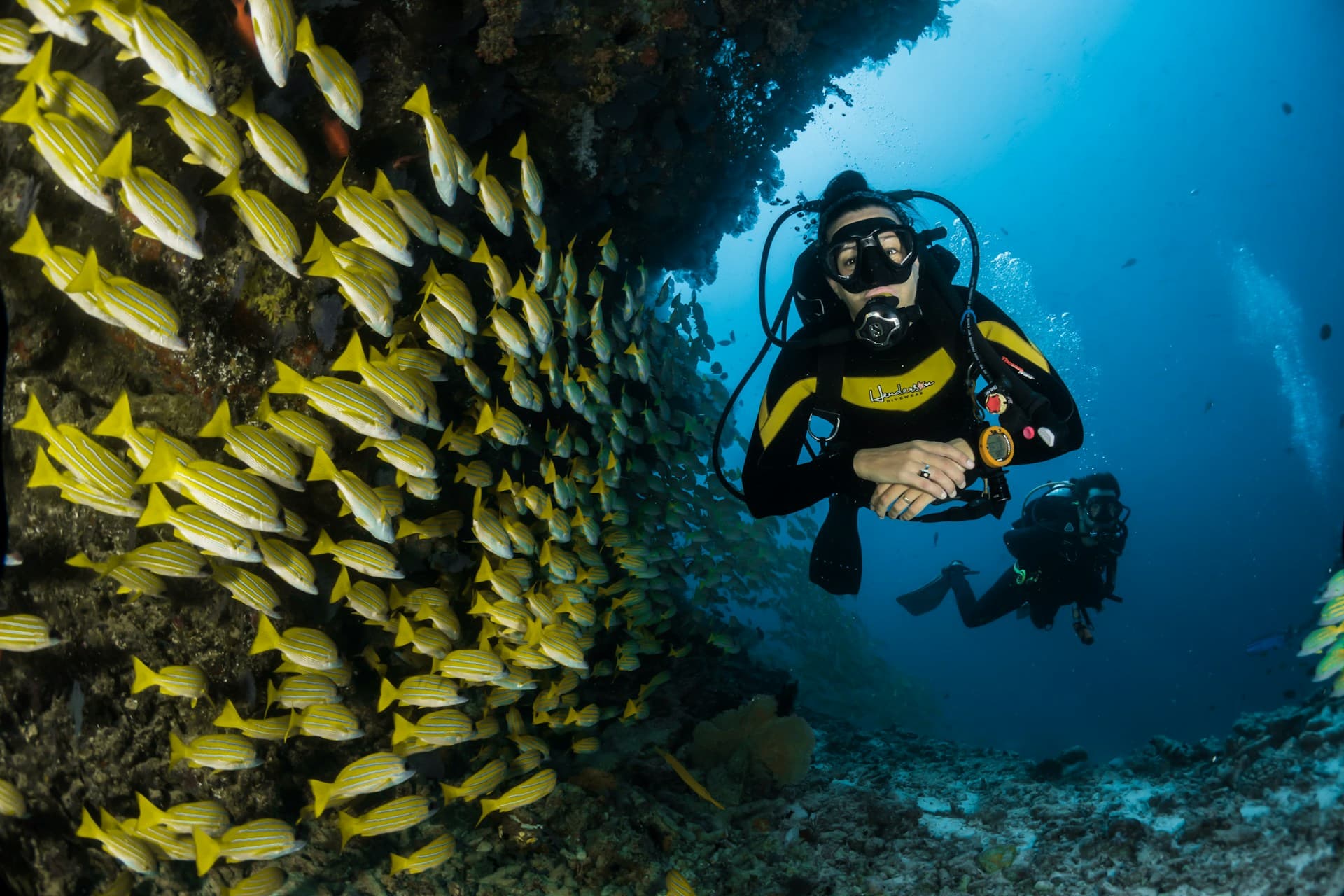
There is a world beneath the ocean surface that most travelers never experience. Learning to scuba dive opens up roughly 70 percent of the planet that remains invisible from the beach. The decision of where to earn your certification matters more than most beginners realize. Water conditions, instructor quality, cost, and the overall experience vary enormously from one destination to another.
This guide breaks down the 12 best places in the world for beginner scuba divers, compares the two major certification agencies, and provides the practical details you need to plan your first dive trip.
PADI vs SSI: Understanding Your Certification Options
Before choosing a destination, you need to understand the two dominant certification agencies in recreational diving.
PADI (Professional Association of Diving Instructors)
PADI is the largest dive certification organization in the world, with more than 6,600 dive centers and resorts across 186 countries. Their Open Water Diver course is the most widely recognized entry-level certification.
- Course structure: 3-4 days, including knowledge development, confined water dives, and 4 open water dives
- Cost range: $350-$700 depending on location
- Materials: Digital learning available through the PADI app (eLearning costs approximately $195)
- Maximum depth after certification: 18 meters (60 feet)
- Validity: Lifetime, recognized worldwide
SSI (Scuba Schools International)
SSI has grown significantly in recent years and now operates in over 150 countries with more than 3,500 dive centers.
- Course structure: 3-4 days, similar to PADI with academic, pool, and open water components
- Cost range: $300-$600 depending on location
- Materials: Free digital learning through the SSI app
- Maximum depth after certification: 18 meters (60 feet)
- Validity: Lifetime, recognized worldwide
Quick Comparison
| Feature | PADI | SSI |
|---|---|---|
| Global recognition | Slightly higher | Widely accepted |
| eLearning cost | ~$195 | Free |
| Total course cost | $350-$700 | $300-$600 |
| Dive centers worldwide | 6,600+ | 3,500+ |
| Card replacement | ~$40 digital | Free digital |
| Continuing education | More structured | Flexible pathway |
The bottom line: Both certifications are recognized globally. SSI tends to be cheaper because of the free digital materials, but PADI has a wider network of dive shops. Choose based on what is available at your preferred destination.
The 12 Best Destinations for Beginner Scuba Divers
1. Koh Tao, Thailand
Koh Tao is the undisputed capital of scuba certification worldwide. This small island in the Gulf of Thailand certifies more divers annually than any other location on earth, and for good reason.
- Average certification cost: $280-$350 (PADI Open Water), often including accommodation
- Water temperature: 28-30 degrees Celsius year-round
- Visibility: 10-25 meters depending on season
- Best time to visit: March through September
- Beginner-friendly sites: Japanese Gardens, Mango Bay, White Rock
The sheer volume of dive schools creates fierce competition that benefits students. Schools like Ban's Diving Resort, Crystal Dive, and Big Blue Diving have trained tens of thousands of divers. Many packages bundle three nights of accommodation with the full Open Water course for under $400 total.
What makes it ideal for beginners: Warm, calm waters, extremely affordable pricing, large social scene of fellow learners, and instructors who speak dozens of languages.
2. Utila, Honduras
Utila is the budget diver's paradise. This small Bay Island sits on the Mesoamerican Barrier Reef, the second-largest barrier reef system in the world.
- Average certification cost: $280-$350 (PADI Open Water)
- Water temperature: 26-29 degrees Celsius
- Visibility: 15-30 meters
- Best time to visit: March through September
- Beginner-friendly sites: Airport Caves, Pretty Bush, Jack Neil Point
Utila Dive Centre, Alton's Dive Center, and Underwater Vision are among the most established schools. Many offer free accommodation during the course. The island itself is small and walkable, with a backpacker-friendly atmosphere and affordable food and drink.
What makes it ideal for beginners: Incredible value for money, warm Caribbean waters with excellent visibility, relaxed island vibe, and the possibility of whale shark encounters from March to April and September to October.
3. Gili Islands, Indonesia
The three Gili Islands off the northwest coast of Lombok offer a car-free, laid-back environment with easy diving conditions.
- Average certification cost: $350-$450 (PADI Open Water)
- Water temperature: 27-30 degrees Celsius
- Visibility: 10-25 meters
- Best time to visit: April through November
- Beginner-friendly sites: Turtle Heaven, Shark Point (shallow), Hans Reef
Gili Trawangan has the highest concentration of dive shops, including well-regarded operations like Trawangan Dive, Blue Marlin Dive, and Manta Dive. Sea turtles are almost guaranteed on every dive, which makes the experience unforgettable for new divers.
What makes it ideal for beginners: Extremely calm currents around the islands, frequent turtle sightings, beautiful above-water scenery, and the convenience of combining diving with Bali travel.
4. Dahab, Egypt
Dahab is a former Bedouin fishing village on the Sinai Peninsula that has become one of the world's top dive training destinations.
- Average certification cost: $250-$350 (PADI or SSI Open Water)
- Water temperature: 21-28 degrees Celsius depending on season
- Visibility: 20-40 meters (some of the clearest water anywhere)
- Best time to visit: April through November
- Beginner-friendly sites: Lighthouse, The Islands, Eel Garden
Dahab's signature feature is shore diving. Instead of boat rides, most dive sites are accessible by walking in from the beach. This eliminates seasickness concerns entirely, a genuine advantage for nervous beginners. H2O Divers, Dahab Divers, and Poseidon Divers are reputable schools.
What makes it ideal for beginners: Shore diving eliminates seasickness, exceptional water clarity, very affordable cost of living (meals for $3-5), and the unique cultural experience of the Sinai.
5. Roatan, Honduras
Roatan is Utila's larger neighbor and offers a slightly more developed infrastructure with equally stunning reef diving.
- Average certification cost: $350-$450 (PADI Open Water)
- Water temperature: 26-29 degrees Celsius
- Visibility: 20-40 meters
- Best time to visit: March through October
- Beginner-friendly sites: Half Moon Bay, Turquoise Bay, Sandy Bay
The reef drops off very close to shore, meaning even beginners can experience dramatic wall diving within their depth limits. Reef Gliders, Coconut Tree Divers, and Subway Watersports are well-regarded.
What makes it ideal for beginners: Exceptionally clear water, healthy reef with diverse marine life, English widely spoken, and a slightly more comfortable infrastructure than Utila.
6. Cairns and the Great Barrier Reef, Australia
Learning to dive on the Great Barrier Reef is a bucket-list experience, though it comes at a premium price.
- Average certification cost: $550-$750 AUD ($370-$500 USD)
- Water temperature: 24-29 degrees Celsius
- Visibility: 10-25 meters
- Best time to visit: June through October
- Beginner-friendly sites: Outer reef sites reached via liveaboard or day trip
Pro Dive Cairns offers a popular 5-day course that includes two days of pool and theory work followed by three days on a liveaboard vessel at the outer reef. Cairns Dive Centre and Deep Sea Divers Den are other solid options.
What makes it ideal for beginners: The sheer prestige of diving the Great Barrier Reef, excellent safety standards, professional instruction, and the possibility of combining your trip with other Australian destinations.
7. Zanzibar, Tanzania
Zanzibar offers warm Indian Ocean waters, healthy coral reefs, and a fraction of the tourist volume found in Southeast Asian dive destinations.
- Average certification cost: $400-$550
- Water temperature: 25-29 degrees Celsius
- Visibility: 15-30 meters
- Best time to visit: July through March (avoid April-May heavy rains)
- Beginner-friendly sites: Mnemba Atoll (shallow sites), Kizimkazi reefs
One Ocean and Spanish Dancer Divers are the most established dive operations. Mnemba Atoll offers protected waters with abundant marine life, including dolphins, sea turtles, and diverse reef fish.
What makes it ideal for beginners: Warm water, uncrowded dive sites, the cultural richness of Stone Town, and value-for-money compared to similar quality diving elsewhere.
8. Cozumel, Mexico
Cozumel sits in the Caribbean Sea off Mexico's Yucatan Peninsula and is famous for its drift diving, where currents carry you along the reef effortlessly.
- Average certification cost: $400-$500
- Water temperature: 26-29 degrees Celsius
- Visibility: 25-40 meters
- Best time to visit: March through June
- Beginner-friendly sites: Paradise Reef, Chankanaab, Colombia Shallows
Dressel Divers, Dive Paradise, and Scuba Tony are popular choices. While Cozumel is known for drift diving (which can intimidate beginners), the shallow sites near shore offer calm conditions perfect for training.
What makes it ideal for beginners: Crystal-clear Caribbean water, excellent infrastructure, short flight from most US cities, and the ability to combine the trip with exploring the Yucatan's cenotes and Mayan ruins.
9. Sardinia, Italy
For European travelers who want to learn closer to home, Sardinia offers Mediterranean diving at its finest.
- Average certification cost: $450-$600 EUR
- Water temperature: 14-26 degrees Celsius (warmest July-September)
- Visibility: 20-40 meters
- Best time to visit: June through September
- Beginner-friendly sites: Capo Caccia, Tavolara, Villasimius
The water is remarkably clear, and the marine life includes grouper, barracuda, octopus, and colorful nudibranchs. Area Mare Diving and Proteus Diving are established schools on the island.
What makes it ideal for beginners: Stunning Mediterranean clarity, world-class food and wine after your dives, rich cultural experiences, and the beauty of Sardinia's coastline.
10. Malapascua, Philippines
Malapascua is a tiny island off the northern tip of Cebu known for its thresher shark encounters, but it also offers excellent conditions for beginners.
- Average certification cost: $300-$400
- Water temperature: 26-30 degrees Celsius
- Visibility: 10-30 meters depending on site
- Best time to visit: November through May
- Beginner-friendly sites: Lighthouse Reef, House Reef, Deep Slope (shallow areas)
Evolution Diving, Thresher Shark Divers, and Exotic Island Dive Resort are top-rated operations. After certification, the promise of seeing thresher sharks on early morning dives at Monad Shoal is a powerful motivator to continue diving.
What makes it ideal for beginners: Affordable pricing, warm water, small-island charm, and the unique draw of thresher sharks that you can experience immediately after certification.
11. Gozo, Malta
Gozo, Malta's smaller sister island, offers some of the best diving in the Mediterranean with exceptional visibility.
- Average certification cost: $400-$550 EUR
- Water temperature: 15-26 degrees Celsius (best June-October)
- Visibility: 25-50 meters (among the best in the Mediterranean)
- Best time to visit: May through October
- Beginner-friendly sites: Xlendi Bay, Mgarr ix-Xini, Hondoq ir-Rummien
Atlantis Gozo and Calypso Diving Centre are long-established schools. The underwater topography includes caves, arches, and tunnels that create dramatic scenery even at shallow depths.
What makes it ideal for beginners: Extraordinary water clarity, English widely spoken, excellent safety standards within the EU, and dramatic underwater landscapes.
12. Belize Barrier Reef, Belize
Belize offers the longest barrier reef in the Western Hemisphere and a laid-back Caribbean atmosphere.
- Average certification cost: $400-$500
- Water temperature: 26-29 degrees Celsius
- Visibility: 20-35 meters
- Best time to visit: November through April
- Beginner-friendly sites: Hol Chan Marine Reserve, Shark Ray Alley, Ambergris Caye reefs
Amigos del Mar and Ecologic Divers on Ambergris Caye are excellent choices. Caye Caulker, the smaller neighboring island, also has reputable dive shops and a more budget-friendly atmosphere.
What makes it ideal for beginners: Protected reef system with abundant marine life, English-speaking country, easy access from the US, and the possibility of visiting the famous Blue Hole after gaining more experience.
Destination Comparison Table
| Destination | Cert Cost (USD) | Water Temp (C) | Visibility (m) | Best Season | Language |
|---|---|---|---|---|---|
| Koh Tao, Thailand | $280-$350 | 28-30 | 10-25 | Mar-Sep | Thai/English |
| Utila, Honduras | $280-$350 | 26-29 | 15-30 | Mar-Sep | Spanish/English |
| Gili Islands, Indonesia | $350-$450 | 27-30 | 10-25 | Apr-Nov | Indonesian/English |
| Dahab, Egypt | $250-$350 | 21-28 | 20-40 | Apr-Nov | Arabic/English |
| Roatan, Honduras | $350-$450 | 26-29 | 20-40 | Mar-Oct | Spanish/English |
| Cairns, Australia | $370-$500 | 24-29 | 10-25 | Jun-Oct | English |
| Zanzibar, Tanzania | $400-$550 | 25-29 | 15-30 | Jul-Mar | Swahili/English |
| Cozumel, Mexico | $400-$500 | 26-29 | 25-40 | Mar-Jun | Spanish/English |
| Sardinia, Italy | $450-$600 | 14-26 | 20-40 | Jun-Sep | Italian |
| Malapascua, Philippines | $300-$400 | 26-30 | 10-30 | Nov-May | Filipino/English |
| Gozo, Malta | $400-$550 | 15-26 | 25-50 | May-Oct | Maltese/English |
| Belize | $400-$500 | 26-29 | 20-35 | Nov-Apr | English |
What Scuba Certification Actually Includes
Regardless of destination or agency, a standard Open Water Diver course covers the following:
Knowledge Development
- Physics of diving: How pressure affects your body and equipment
- Dive planning: Using dive tables or computers to plan safe profiles
- Equipment familiarization: How each piece of gear works and basic maintenance
- Emergency procedures: What to do if something goes wrong underwater
- Environmental awareness: How to protect marine ecosystems while diving
Most programs now offer eLearning options, allowing you to complete the academic portion before you travel. This can save one to two days at your destination.
Confined Water Dives (Pool Sessions)
- Skills practiced: Mask clearing, regulator recovery, buoyancy control, emergency ascent procedures, buddy breathing
- Duration: Typically 1-2 half-day sessions
- Purpose: Build confidence and muscle memory in a controlled environment before open water
Open Water Dives
- Number of dives: 4 dives minimum
- Maximum depth: 18 meters (60 feet) during training
- Skills demonstrated: All confined water skills plus navigation, buoyancy control at depth, and emergency procedures
- Duration: Typically spread over 2 days
Essential Gear Considerations for Beginners
Dive schools provide all necessary equipment during your course, but there are a few items worth purchasing before you arrive:
- Mask: A well-fitting mask is the single most important piece of personal dive gear. Budget $40-$80 for a quality mask from Cressi, Scubapro, or Mares. Bring it to your course rather than using a rental that may not fit your face.
- Rash guard or wetsuit top: Protects against sunburn and minor stings. A good rash guard costs $20-$40.
- Dive computer: Not essential for your first course, but if you plan to continue diving, a basic dive computer like the Cressi Leonardo ($150-$200) or Suunto Zoop Novo ($250-$300) is a worthwhile early investment.
- Logbook: Your dive school will provide one, but you can also log dives digitally through the PADI or SSI apps.
Tips for Choosing the Right Dive School
Not all dive schools are created equal. Here is what to look for:
- Instructor-to-student ratio: Look for a maximum of 4 students per instructor. Some schools allow 8 or more, which compromises the quality of instruction and your safety.
- Equipment condition: Well-maintained rental gear is a sign of a professional operation. Ask to see the equipment before committing.
- Online reviews: Check Google Reviews, TripAdvisor, and PADI/SSI's own review systems. Look for patterns in feedback rather than individual reviews.
- Insurance: Confirm the school carries liability insurance and that their instructors have current certifications.
- Language: Ensure instruction is available in a language you are fully comfortable with. Misunderstanding safety briefings underwater is not an option.
Medical Considerations
Scuba diving requires a basic level of physical fitness and the absence of certain medical conditions. Before booking a course:
- Complete a medical questionnaire: Both PADI and SSI require this. Conditions like asthma, heart disease, epilepsy, and ear problems may require a doctor's clearance.
- See a dive-friendly doctor: If you have any flagged conditions, get cleared by a physician familiar with dive medicine before you travel. The Divers Alert Network (DAN) at dan.org maintains a database of dive medicine physicians.
- Dive insurance: DAN membership ($40-$75 per year) provides dive accident insurance and access to a 24/7 emergency hotline. This is worth purchasing before any dive trip.
Budget Planning for Your First Dive Certification Trip
Here is a realistic budget breakdown for a week-long dive certification trip to a mid-range destination:
| Expense | Budget Range (USD) |
|---|---|
| Flights | $300-$1,200 |
| Accommodation (7 nights) | $100-$500 |
| Open Water Course | $250-$600 |
| Food and drink (7 days) | $100-$350 |
| Travel insurance | $30-$80 |
| DAN dive insurance | $40-$75 |
| Personal gear (mask, rash guard) | $60-$120 |
| Total | $880-$2,925 |
At the most affordable destinations like Koh Tao, Utila, or Dahab, you can reasonably complete your certification trip for under $1,200 including flights from a major hub.
Plan Your Dive Certification Trip with TripGenie
Coordinating flights, accommodation, course schedules, and island logistics can be complicated, especially when you are unfamiliar with a destination. TripGenie can help you build a complete itinerary that accounts for your certification schedule, pre-course study days, post-certification fun dives, and any additional sightseeing you want to include. Let the planning happen automatically so you can focus on what matters: breathing underwater for the first time.
Final Thoughts
Learning to scuba dive is one of the most rewarding investments a traveler can make. The certification is valid for life, and it unlocks experiences that are simply impossible from the surface. Whether you choose the budget-friendly waters of Koh Tao, the crystal clarity of Dahab, or the prestige of the Great Barrier Reef, the important thing is to take that first step.
Pick a destination that matches your budget, comfort level, and travel style. Complete the eLearning before you go. Show up ready to learn. And prepare for a perspective shift that will change every beach vacation you take for the rest of your life.
Topics

Written by
TripGenie Team
The TripGenie team is passionate about making travel planning effortless with AI. We combine travel expertise with cutting-edge technology to help you explore the world.
@tripgenieGet Travel Tips Delivered Weekly
Get our best travel tips, destination guides, and exclusive deals delivered straight to your inbox every week.
No spam, ever. Unsubscribe anytime.