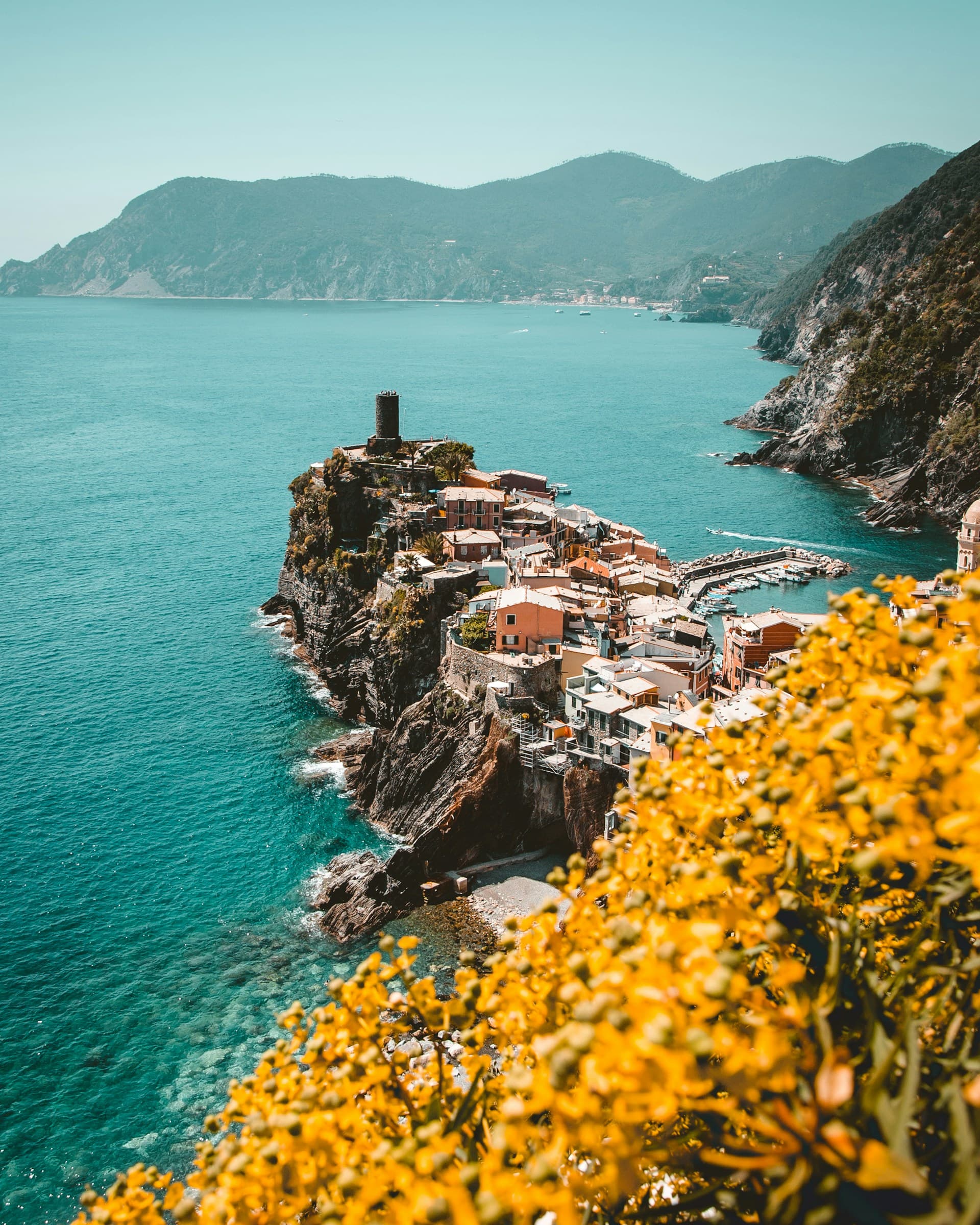

Italy is a country where the experience shifts dramatically with the seasons. Rome in July is a very different proposition from Rome in October. The Amalfi Coast that enchants in May can overwhelm in August. The Dolomites that beckon hikers in summer transform into a ski paradise in winter.
Understanding when to visit each region is the difference between a good Italian trip and an extraordinary one. This guide covers eight major regions with season-by-season analysis, so you can plan an itinerary that catches Italy at its best.
Quick Overview
| Region | Best Time | Avoid | Budget Sweet Spot |
|---|---|---|---|
| Rome | Apr-Jun, Sep-Oct | Aug | Nov-Feb (exc. holidays) |
| Florence/Tuscany | Apr-Jun, Sep-Oct | Aug | Nov-Mar |
| Amalfi Coast | May-Jun, Sep | Jul-Aug | Apr, Oct |
| Venice | Apr-May, Sep-Oct | Jul-Aug, Nov floods | Jan-Mar |
| Sicily | Apr-Jun, Sep-Oct | Aug | Nov-Mar |
| Dolomites | Jun-Sep (hiking), Dec-Mar (skiing) | Nov | Jun, Sep |
| Italian Lakes | May-Sep | Nov-Mar | May, Sep |
| Sardinia | May-Jun, Sep | Aug | May, Oct |
Rome and Lazio
Best Time: April-June, September-October
Rome works year-round, but the sweet spot is clear. Spring and autumn bring warm temperatures (18-25C), manageable crowds, and golden light that makes the ancient city glow.
Season by Season
Spring (March-May):
- March is transitional — cool and sometimes rainy, but the city is blooming. Wisteria drapes over ruins and bougainvillea begins its show.
- April-May is ideal. Warm days, comfortable nights, and the city feels alive without the oppressive summer crowds.
- Easter Week in Rome is extraordinary but extremely crowded, especially around the Vatican. The Pope's Easter Mass in St. Peter's Square is a once-in-a-lifetime experience — arrive hours early.
Summer (June-August):
- June is warm (25-30C) and busy but still manageable.
- July is hot (30-35C) and crowded.
- August is extreme. Temperatures hit 35-40C and many Romans flee the city. Restaurants and shops close for the Ferragosto holiday (August 15). The Vatican Museums and Colosseum are packed despite the heat. Avoid August in Rome if possible.
Autumn (September-November):
- September-October is arguably the single best time. Temperatures are perfect (20-27C), summer crowds have dispersed, and the food is spectacular — fresh porcini mushrooms, truffles, and new wine.
- November brings cooler weather and occasional rain but far fewer tourists and lower prices.
Winter (December-February):
- Cool (5-12C) with occasional rain. Major sights are uncrowded except during the Christmas-New Year period.
- Christmas in Rome is magical — nativity scenes (presepi) throughout the city, midnight mass at St. Peter's, and festive markets.
- January-February offers the cheapest accommodation and shortest lines.
Insider Tip
The first Sunday of every month, Italian state museums offer free admission. The Colosseum, Roman Forum, and Borghese Gallery are free — but expect longer lines.
Florence and Tuscany
Best Time: April-June, September-October
Florence's peak season is intense. The compact historic center means crowds concentrate heavily around the Duomo, Uffizi, and Ponte Vecchio. Timing your visit in the shoulder season makes a dramatic difference.
Season by Season
Spring (April-June):
- Tuscany in spring is what every travel poster promises — rolling hills of green and gold, poppies in bloom, mild temperatures.
- Florence in April-May is warm (18-25C) with occasional rain. Book the Uffizi and Accademia (David) in advance.
- The Maggio Musicale Fiorentino festival runs from April through June — world-class opera and classical music.
Summer (July-August):
- Florence is brutally hot (35C+) and packed with tour groups. The Uffizi queue can stretch for hours.
- The Tuscan countryside is better than the city in summer — hill towns like San Gimignano, Montepulciano, and Cortona are more pleasant.
- Palio di Siena (July 2 and August 16) is one of Italy's most thrilling events — a bareback horse race around Siena's main square dating back to the 17th century. Plan well in advance.
Autumn (September-October):
- September is excellent in both Florence and the countryside. Grape harvest season in Chianti means wine festivals and fresh-pressed olive oil.
- October brings truffle season — particularly prized around San Miniato and the Crete Senesi.
- Autumn colors in the Tuscan countryside peak in late October to early November.
Winter (November-March):
- Florence is quiet, cold (3-10C), and atmospheric. Museums are uncrowded.
- Tuscan hill towns feel almost deserted — romantic if you like solitude, desolate if you do not.
- This is truffle season for the prized white truffle of Alba (Piedmont, not Tuscany, but within day-trip range).
Insider Tip
For the best Tuscan driving experience, rent a car in September or October. Chianti's winding roads through vineyards are spectacular when the leaves change, and you can stop at estate wineries without reservations.
Amalfi Coast
Best Time: May-June, September
The Amalfi Coast is Italy's most geographically constrained major destination — a narrow strip of dramatic coastline served by a single winding road. This makes crowd management critical. In peak summer, the road gridlocks, buses are sardine-packed, and restaurant prices soar.
Season by Season
Spring (April-June):
- April is a gamble — weather can be rainy, and some hotels and restaurants remain closed until Easter.
- May is when the coast hits its stride. Warm enough for beach days (20-25C), bougainvillea in full bloom, ferries running, and crowds not yet at peak.
- June is warm (25-30C) and busier but still manageable if you avoid weekends.
Summer (July-August):
- Hot (30-35C), extremely crowded, and expensive. The famous SS163 coastal road becomes a parking lot.
- Positano's beach is elbow-to-elbow. Restaurant prices peak. Hotel rates double or triple compared to May.
- The upside: If you want guaranteed beach weather and don't mind crowds, the coast is at its most vibrant.
Autumn (September-October):
- September is many travelers' favorite month on the Amalfi Coast. The sea is at its warmest (25-27C), summer crowds have thinned, and the light is gorgeous.
- October is riskier — weather becomes unpredictable, and some businesses start closing for the season.
Winter (November-March):
- Most hotels, restaurants, and ferries shut down. The coast is largely closed for tourism.
- Amalfi town and Ravello maintain some services, but the full Amalfi Coast experience requires a visit between April and October.
Insider Tip
Stay in Ravello or Minori instead of Positano or Amalfi town. They are less crowded, more affordable, and equally beautiful. Use ferries between towns instead of buses — they are faster, more scenic, and avoid the road entirely.
Venice
Best Time: April-May, September-October
Venice is extraordinary in every season, but each comes with trade-offs. The city floods in autumn, overheats in summer, and freezes in winter — yet each version of Venice has its own magic.
Season by Season
Spring (April-June):
- April-May is the consensus best time. Temperatures of 15-23C, longer days, and the city emerging from winter quiet.
- Gardens and parks are in bloom, and gondola rides are pleasant rather than sweltering.
- The Venice Biennale (art or architecture, alternating years) opens in spring and runs through November.
Summer (July-August):
- Hot (30C+), humid, and crowded. Cruise ships disgorge thousands of day-trippers (though large cruise ships are now banned from the Giudecca Canal).
- The Festa del Redentore (third Saturday in July) features a spectacular fireworks display over the lagoon and a pontoon bridge across the Giudecca Canal.
- Venice Film Festival in late August-September brings glamour and higher prices to the Lido.
Autumn (September-November):
- September-early October is excellent — warm, less crowded, and beautifully atmospheric.
- Late October-November brings the acqua alta (high water) season. Flooding in St. Mark's Square is common. The city provides raised walkways, and locals take it in stride, but it affects logistics.
- The MOSE barrier system now reduces major flooding events, but minor flooding still occurs.
Winter (December-February):
- Cold (0-8C), foggy, and hauntingly beautiful. Venice in fog is one of Europe's most atmospheric experiences.
- Carnevale (February/March) is Venice's most famous festival — elaborate masks and costumes, parties, and performances. Book months ahead.
- Hotel prices drop dramatically in January (outside Carnevale).
Insider Tip
Venice's day-tripper problem means the city is packed from about 10 AM to 5 PM and comparatively empty in early morning and evening. Stay overnight to experience Venice at its most magical — the quiet of early morning along the canals is otherworldly.
Sicily
Best Time: April-June, September-October
Sicily is essentially its own country within Italy — larger, hotter, and more culturally distinct than mainland regions. It has outstanding Greek temples, active volcanoes, and some of Italy's best food.
Season by Season
Spring (April-June):
- Wildflowers carpet the hillsides. Temperatures are ideal (18-28C) for sightseeing, especially for the Valley of the Temples in Agrigento and the mosaics at Piazza Armerina.
- May is exceptional — warm enough for swimming in some areas, perfect for hiking Mount Etna.
Summer (July-August):
- Scorching hot (35-42C), especially in inland areas. The sirocco wind from North Africa can push temperatures above 40C.
- Coastal areas (Cefalu, Taormina, San Vito Lo Capo) are packed with Italian and international tourists.
- Beach season is in full swing, and the sea temperature is perfect.
Autumn (September-October):
- Arguably the best time. Heat eases, the sea remains warm (24-26C), and food is at its peak — fresh tuna, sardines, wild fennel, and the grape harvest.
- Couscous Festival in San Vito Lo Capo (September) celebrates Sicily's North African culinary heritage.
Winter (November-March):
- Mild compared to northern Italy (10-15C on the coast). Rain is common.
- Tourist infrastructure in smaller towns may be limited, but Palermo, Catania, and Siracusa are vibrant year-round.
- Mount Etna skiing is possible from December to March — skiing with a sea view is uniquely Sicilian.
Insider Tip
Palermo's street food is among Italy's best — and a complete meal of panelle (chickpea fritters), arancini (fried rice balls), and sfincione (Sicilian pizza) can cost under EUR 5. Visit the Ballaro or Vucciria markets for the full experience.
The Dolomites
Best Time: June-September (hiking), December-March (skiing)
The Dolomites are Italy's mountain paradise — jagged peaks, alpine meadows, and a unique Ladin culture that blends Italian, Austrian, and ancient Alpine traditions.
Season by Season
Summer (June-September):
- Hiking season. The famous Alta Via trails, the Tre Cime di Lavaredo circuit, and hundreds of rifugio-to-rifugio routes are open.
- Mountain huts (rifugi) operate from mid-June to mid-September. Reservations are essential for popular routes in July-August.
- September is golden — autumn colors, fewer hikers, and clear skies. Some rifugi close by late September.
Winter (December-March):
- World-class skiing centered on Cortina d'Ampezzo, the Sella Ronda circuit, and Val Gardena.
- The Dolomiti Superski pass covers 1,200 km of runs across 12 ski areas — one of the largest ski networks in the world.
- January-February offers the best snow conditions and lower prices than the Christmas/New Year period.
Shoulder (April-May, October-November):
- Many facilities close. Snow still covers high passes in May. November is typically dead.
- Not recommended unless you are specifically seeking solitude and are equipped for variable mountain weather.
Insider Tip
The Dolomites by car is spectacular even if you don't hike or ski. The Great Dolomites Road from Bolzano to Cortina passes through some of the most dramatic mountain scenery on Earth. Drive it in late June or September for the best conditions.
Italian Lakes (Como, Garda, Maggiore)
Best Time: May-September
The Italian Lakes are at their most enchanting when gardens are blooming and the weather is warm enough for lakeside dining.
Season by Season
- May-June: Gardens are in full bloom at Villa Carlotta and Isola Bella. Temperatures are pleasant (18-25C). Fewer crowds than peak summer.
- July-August: Peak season. Warm (28-32C), lively, and busy. Lake Garda is particularly crowded with German and Austrian visitors.
- September: The sweet spot — warm weather, quieter, and the surrounding vineyards and orchards are heavy with fruit.
- October-April: Many lakeside hotels and restaurants close for winter. Lake Como's villages can feel deserted.
Insider Tip
Skip the celebrity-magnet of Bellagio (crowded and expensive) and explore Varenna across the lake — equally beautiful, more authentic, and better value.
Sardinia
Best Time: May-June, September
Sardinia has some of the Mediterranean's most spectacular beaches, along with a unique culture, mysterious prehistoric nuraghe stone towers, and food and wine traditions that feel more like an island nation than part of Italy.
Season by Season
- May-June: Warm enough for beaches (22-28C), wildflowers still in bloom, reasonable prices. The Costa Smeralda is not yet overrun.
- July-August: Peak season, especially on the northeast coast. Prices triple on the Costa Smeralda. Italian families fill every beach. Internal ferries and roads are packed.
- September: The sea is at its warmest (25-27C), crowds thin, prices drop. This is arguably the best month.
- October-April: Quiet. Many coastal businesses close. Interior towns like Orgosolo and Nuoro have year-round character.
Insider Tip
The west coast (Alghero, Bosa, Tharros) is dramatically less crowded and less expensive than the Costa Smeralda, with beaches that are just as stunning.
Italy-Wide Practical Tips
National Holidays That Affect Travel
- Easter (March/April): Internal travel spikes. Italians travel domestically. Book trains and hotels well ahead.
- April 25 (Liberation Day) and May 1 (Labor Day): Long weekends that fill up accommodation in popular areas.
- Ferragosto (August 15): Italy's summer holiday. Cities empty out, many businesses close, and coastal areas are packed to capacity.
- December 25-January 6: Holiday period with closures and higher prices in tourist areas.
Shoulder Season Advantages
The shoulder season in Italy (April-May and September-October) offers:
- 30-40% lower accommodation prices compared to July-August
- Shorter lines at major attractions (Uffizi, Vatican Museums, Pompeii)
- Better food — seasonal ingredients are at their peak in spring and autumn
- More authentic interactions — Italians are more relaxed and welcoming when they are not overwhelmed by tourist masses
The Final Verdict
If you can only visit Italy once, go in late September or early October. The weather is warm, the light is golden, the food is at its autumn peak with truffles and fresh wine, the summer crowds have departed, and the prices have dropped. It is Italy at its most generous.
Topics

Written by
TripGenie Team
The TripGenie team is passionate about making travel planning effortless with AI. We combine travel expertise with cutting-edge technology to help you explore the world.
@tripgenieGet Travel Tips Delivered Weekly
Get our best travel tips, destination guides, and exclusive deals delivered straight to your inbox every week.
No spam, ever. Unsubscribe anytime.