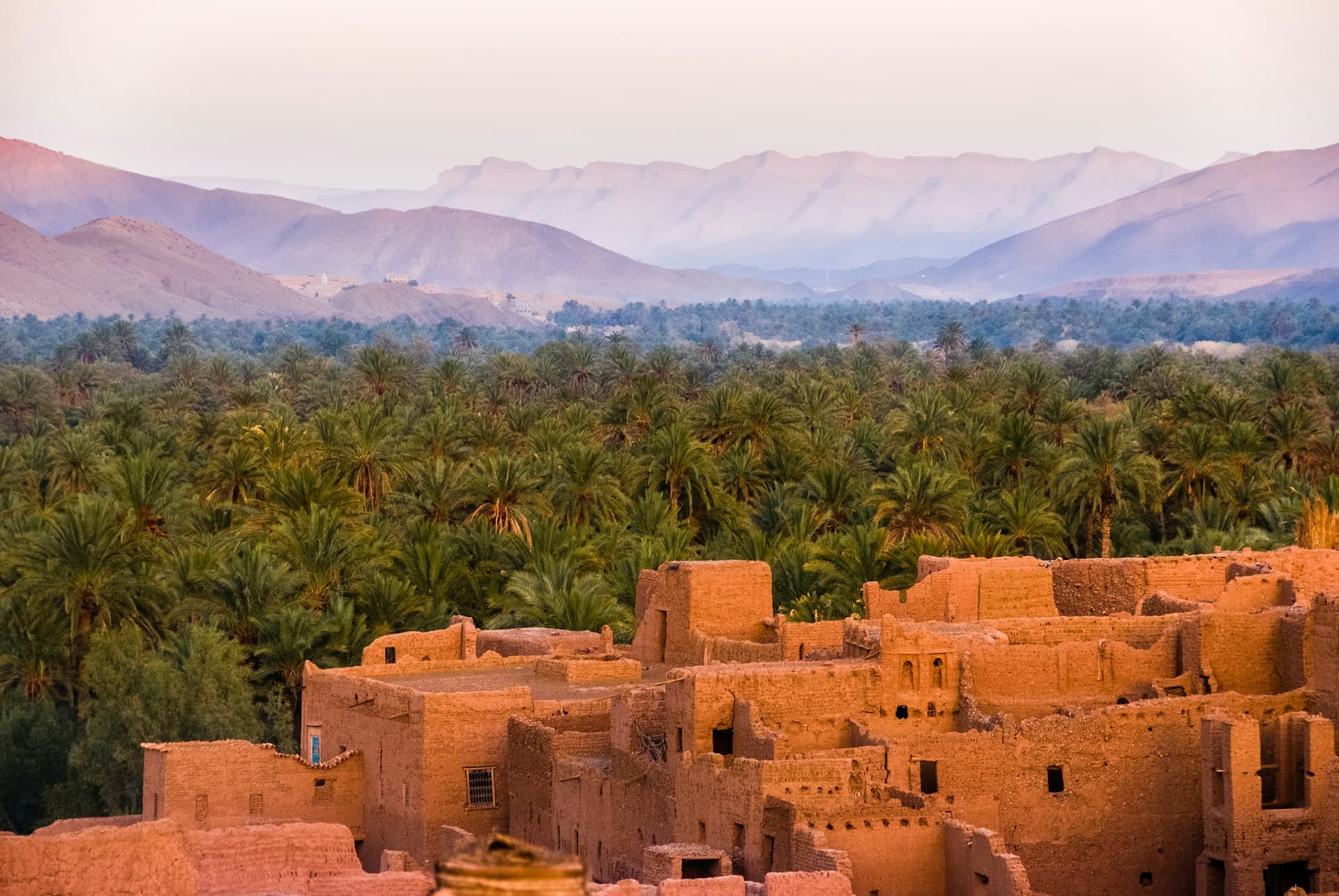

Morocco is a country of extraordinary contrasts — snow-capped Atlas Mountains, scorching Sahara dunes, breezy Atlantic coastline, and ancient medinas humming with life. This geographic diversity means that the "best time to visit" depends entirely on where you plan to go and what you want to experience.
The good news is that some part of Morocco is appealing in every month of the year. The key is matching the right region to the right season.
Quick Overview
| Region | Best Months | Avoid |
|---|---|---|
| Marrakech and cities | Mar-May, Sep-Nov | Jul-Aug (extreme heat) |
| Sahara Desert | Oct-Apr | Jun-Aug (dangerously hot) |
| Atlas Mountains | Apr-Jun, Sep-Oct | Dec-Feb (snow at altitude) |
| Atlantic Coast | Jun-Sep | Dec-Feb (cool, rainy) |
| Mediterranean Coast | May-Sep | Nov-Mar (cool, wet) |
| Fes and Meknes | Mar-May, Sep-Nov | Jul-Aug (hot) |
Month-by-Month Breakdown
January
Weather: Cool to cold across most of the country. Marrakech averages 12-18C during the day with cold nights (5-8C). Snow covers the High Atlas passes — Tizi n'Tichka may close temporarily. The coast is mild (14-17C) but rainy.
Why visit: Low tourist numbers, bargain prices, snow-capped Atlas photography, ski season at Oukaimeden (Africa's highest ski resort, 3,200 m). The Sahara is pleasant during the day (18-22C) but cold at night (2-5C).
Drawback: Short days, cold nights, some mountain roads closed. Pack warm layers.
February
Weather: Similar to January but with gradually lengthening days. Almond trees begin to bloom in the Dades and Todra valleys, creating pink and white displays against red rock gorges.
Why visit: Almond blossom season in the gorge regions is genuinely beautiful and little-known. Sahara conditions are comfortable. Marrakech is warming up.
Best for: Photographers, desert trippers, those who want to beat the spring crowds.
March
Weather: Spring arrives in the lowlands. Marrakech reaches 22-25C. The coast warms to 17-19C. Snow begins retreating in the Atlas but remains at higher elevations.
Why visit: One of the best months for an all-around Morocco trip. Comfortable sightseeing weather in the cities, excellent desert conditions, and the countryside is green from winter rains. Wildflowers appear in the Middle Atlas.
Drawback: Occasional rain, especially in the north. Atlas trekking routes may still be partially snow-covered above 3,000 m.
April
Weather: Warm and pleasant across the country. Marrakech hits 25-28C. The coast reaches 18-21C. Desert days are warm (28-32C) but not yet extreme.
Why visit: Arguably the best single month for Morocco. Perfect temperatures for medina exploration, comfortable desert nights, Atlas trekking routes opening up, and the Rose Festival in the Dades Valley (late April to early May).
Key event: The Rose Festival (Moussem des Roses) in El Kelaa M'Gouna celebrates the annual damask rose harvest with processions, music, and the crowning of a Rose Queen. The entire valley smells of roses.
May
Weather: Getting warm. Marrakech hits 30-33C. Sahara days reach 35C+. The coast and mountains remain pleasant.
Why visit: Last comfortable month for the desert before summer heat. Excellent for coast and mountain trips. The Gnaoua World Music Festival in Essaouira (late June, but check dates) draws international artists and celebrates Morocco's spiritual music tradition.
Tip: May is a transition month — still manageable for the desert if you go early in the month, but becoming hot by late May.
June
Weather: Hot. Marrakech averages 33-37C. The Sahara becomes punishing (40C+). The Atlantic coast is at its best (22-25C with cooling ocean breezes). Mountain weather is ideal for trekking.
Why visit: Peak time for the Atlantic coast. Essaouira and Taghazout offer excellent surf conditions and a welcome respite from inland heat. Fes Festival of World Sacred Music (if scheduled) is a world-class cultural event in an extraordinary setting.
Avoid: Sahara camping. The heat is dangerous.
July-August
Weather: Extreme heat dominates inland areas. Marrakech regularly exceeds 40C. Fes hits 38-42C. The Sahara is off-limits for comfort (45-50C). The coast stays pleasant (22-26C).
Why visit: This is coast season. Essaouira, Asilah, and Tangier are at their best. Moroccan families flock to the beaches — the atmosphere is lively and authentically local.
Avoid: Marrakech, Fes, and the desert in July-August unless you handle extreme heat well. Sightseeing in 42C requires genuine stamina.
Tip: If you must visit cities in summer, schedule outdoor activities for early morning (before 10 AM) and late afternoon (after 5 PM). Spend midday in air-conditioned museums, riads, or hammams.
September
Weather: Heat eases slowly. By late September, Marrakech drops to 30-33C. The Sahara becomes viable again for overnight camps. The coast remains warm.
Why visit: Shoulder season begins. Tourist numbers decrease, prices drop, and the desert opens back up. The Tanjazz Festival in Tangier brings international jazz musicians to Morocco's most cosmopolitan city.
October
Weather: Excellent across the board. Marrakech averages 25-28C. Sahara days are warm but not extreme (28-32C) with cool nights. Perfect Atlas trekking weather.
Why visit: One of the top two months alongside April. Every region is accessible and comfortable. The date harvest brings fresh dates to souks across the south.
November
Weather: Cooling down. Marrakech averages 20-23C. Occasional rain returns. Atlas nights are cold. Desert nights drop to 5-10C.
Why visit: Marrakech International Film Festival (if scheduled) brings an arthouse cinema scene to the city. Shoulder season pricing continues. The Sahara is atmospheric with comfortable days and stargazing-friendly cold nights.
Tip: Bring layers for desert overnight camps — temperatures can surprise.
December
Weather: Cool across Morocco. Marrakech 15-20C with cold nights. Rain in the north. Snow in the Atlas. Desert nights approach freezing.
Why visit: Holiday atmosphere without the crowds of European destinations. New Year's Eve in Marrakech is a growing tradition with hotel galas and parties. Jemaa el-Fna remains vibrant year-round.
Ramadan: What Travelers Need to Know
Ramadan's dates shift approximately 11 days earlier each year, following the Islamic lunar calendar. This is the holy month during which Muslims fast from sunrise to sunset.
How Ramadan Affects Your Trip
- Many restaurants close during the day or operate with limited menus. Tourist-oriented restaurants and hotel restaurants remain open.
- The pace of life slows. Business hours are shorter, and many Moroccans are less energetic during fasting hours.
- Evenings are magical. The iftar (breaking of the fast) at sunset creates an incredible atmosphere. Streets come alive, families gather, and the food is exceptional.
- Some attractions may have reduced hours.
- Alcohol sales are more restricted during Ramadan, though hotel bars and tourist-oriented establishments continue serving.
Should You Visit During Ramadan?
Absolutely — with awareness. Ramadan offers a window into Moroccan culture and spirituality that is genuinely special. The evening iftar meals are extraordinary, and experiencing the communal breaking of the fast in Jemaa el-Fna or any local neighborhood is unforgettable.
Tips for Ramadan travel:
- Avoid eating, drinking, or smoking in public during daylight hours out of respect
- Dress modestly, especially near mosques
- Plan your daytime meals at your riad or hotel
- Be patient with slower service — people are fasting and possibly tired
- Time your arrival at restaurants for just after sunset for the best food
Region-Specific Advice
Marrakech
Marrakech is the city most visitors start with, and the timing matters.
- Best months: March-April, October-November
- The medina is year-round, but summer heat makes wandering the souks physically exhausting
- Riads (traditional courtyard guesthouses) are delightfully cool in summer thanks to their architecture — a good riad makes summer bearable
- Jemaa el-Fna comes alive at sunset in every season — the food stalls, musicians, and storytellers are a year-round spectacle
- Day trip to Ouzoud Waterfalls is best from March-June when water flow is highest
Fes
Fes has a similar climate to Marrakech but can be even hotter in summer due to its inland basin location.
- Best months: March-May, September-November
- The Fes medina is the world's largest car-free urban area and demands hours of walking — avoid peak heat
- Tanneries smell strongest in summer heat (a consideration if you are sensitive)
- The Festival of World Sacred Music (usually June) is worth timing your trip around
Sahara Desert (Merzouga, M'Hamid)
The desert requires the most careful timing of any Moroccan destination.
- Best months: October-April
- Ideal window: October-November and March-April (warm days, cool nights, minimal wind)
- Summer (June-August): Dangerously hot. Sand temperatures can exceed 70C. Reputable tour operators will not run summer desert camps.
- Winter (December-February): Days are pleasant (18-22C) but nights can be bitterly cold (0-5C). Bring serious cold-weather sleeping layers for overnight camps.
- The camel trek to Erg Chebbi (the famous large dunes near Merzouga) takes 1-1.5 hours. Sunset and sunrise over the dunes are the highlights.
Atlas Mountains
The High Atlas and Middle Atlas offer trekking, Berber villages, and dramatic scenery.
- Best months for trekking: April-June, September-October
- Mount Toubkal (4,167 m, North Africa's highest peak) is best climbed May-October. Winter ascents require full mountaineering equipment and experience.
- The Ait Benhaddou kasbah (a UNESCO World Heritage Site and filming location for Game of Thrones and Gladiator) is accessible year-round and best visited in spring or autumn
- Winter: Ski season at Oukaimeden runs from December to March. It is basic compared to European resorts but unique as an African skiing experience.
Atlantic Coast (Essaouira, Taghazout, Agadir)
The coast has its own microclimate, moderated by Atlantic breezes.
- Best months: June-September for beach weather
- Essaouira is windy year-round, earning it the nickname "Wind City of Africa." This makes it a world-class windsurfing and kitesurfing destination but less ideal for calm beach days.
- Taghazout is Morocco's surf capital. Winter swells (November-March) bring the biggest waves, while summer is better for beginners.
- Agadir is the warmest coastal city, with beach weather possible from April through November.
What to Pack: Season by Season
Spring and Autumn (Mar-May, Sep-Nov)
- Lightweight layers — warm days, cool evenings
- A light jacket or fleece for evenings
- Comfortable walking shoes (medina cobblestones are uneven)
- Scarf or shawl for mosque visits and sun protection
- Sunscreen and sunglasses
Summer (Jun-Aug)
- Lightweight, breathable, loose-fitting clothing
- Wide-brimmed hat
- High-SPF sunscreen
- Refillable water bottle (stay hydrated)
- Light cotton scarf for sun protection and modesty
Winter (Dec-Feb)
- Warm layers — Morocco gets genuinely cold at night
- Waterproof jacket for northern regions
- Warm hat and gloves for mountains and desert nights
- Thermal base layers if camping in the desert
- Closed-toe shoes (sandals are insufficient for winter)
Year-Round
- Modest clothing that covers shoulders and knees (essential for respect, practical for sun protection)
- A headlamp or small flashlight for medina navigation at night
- Cash in small denominations for tips and small purchases (many places do not accept cards)
Budget Considerations by Season
Morocco is generally affordable, but costs vary with timing.
| Season | Riad in Marrakech | Desert Camp | Daily Budget (mid-range) |
|---|---|---|---|
| Peak (Mar-May, Oct) | MAD 800-2,000/night | MAD 500-1,500/person | MAD 800-1,500/day |
| Shoulder (Jun, Sep, Nov) | MAD 500-1,200/night | MAD 400-1,000/person | MAD 600-1,200/day |
| Low (Jul-Aug, Dec-Feb) | MAD 400-900/night | MAD 300-800/person | MAD 500-1,000/day |
Note: July-August is low season for inland areas despite being peak for the coast. Prices reflect the inland/desert experience primarily.
Final Recommendations
Best all-around months: April and October. Comfortable weather everywhere, all regions accessible, festivals and cultural events, reasonable prices.
Best for budget travelers: November-February (excluding the Christmas-New Year period). Low prices, manageable weather in the cities and coast, and the desert is pleasantly cool.
Best for coast and surfing: June-September for beach weather, November-March for serious surf.
Best for the Sahara: October-November and March-April. The sweet spot of warm days and bearable nights.
Morocco rewards flexible travelers. Build in extra time for spontaneous detours — a Berber village invitation, a festival you stumble upon, or simply an extra sunset from a riad rooftop. The best moments in Morocco are often the unplanned ones.
Topics

Written by
TripGenie Team
The TripGenie team is passionate about making travel planning effortless with AI. We combine travel expertise with cutting-edge technology to help you explore the world.
@tripgenieGet Travel Tips Delivered Weekly
Get our best travel tips, destination guides, and exclusive deals delivered straight to your inbox every week.
No spam, ever. Unsubscribe anytime.