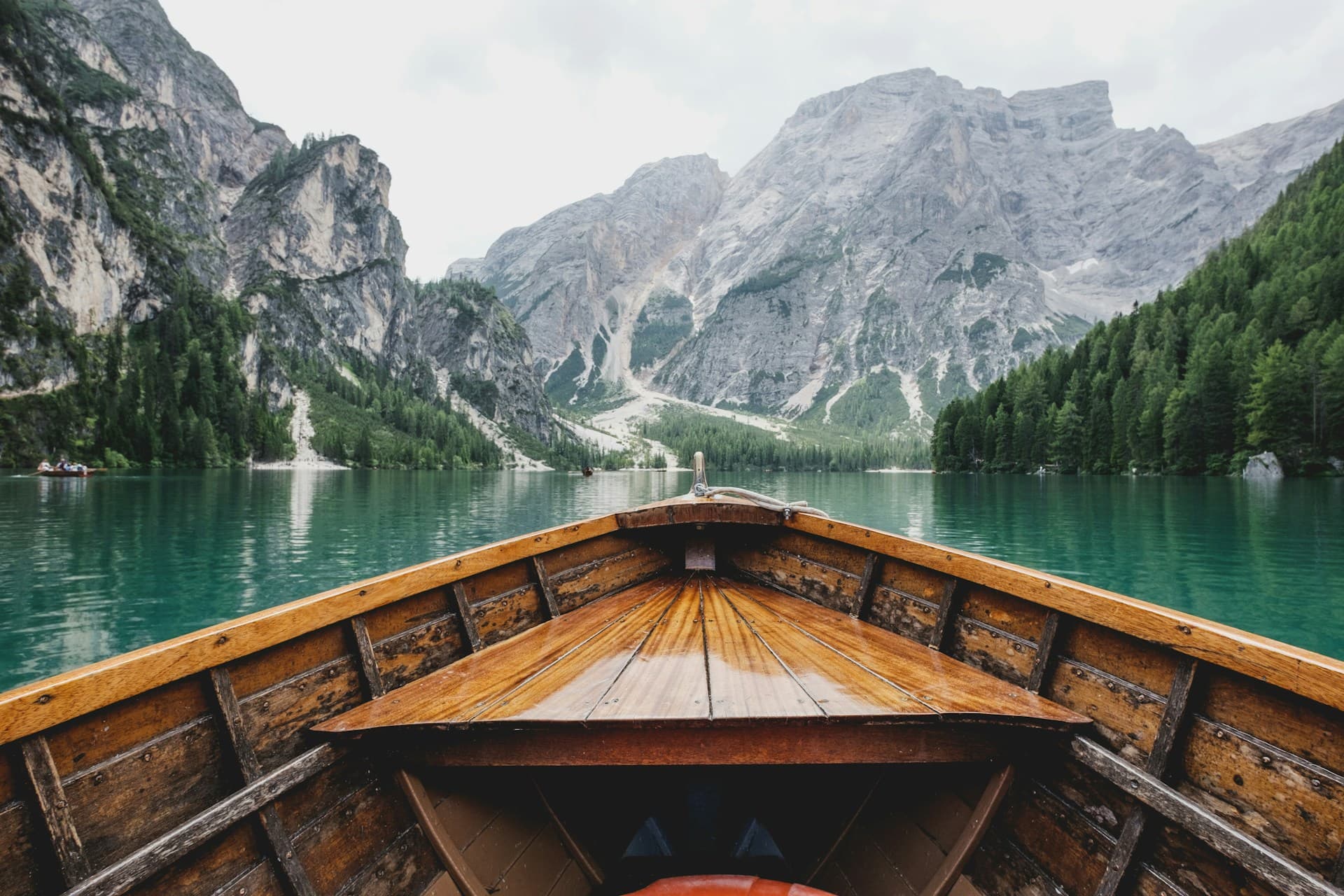

The workation -- working remotely from a destination you actually want to be in -- has evolved from a pandemic-era novelty to a permanent feature of modern work culture. The premise is simple: if your job only requires a laptop, a stable internet connection, and reasonable overlap with your team's working hours, you can do that job from a cafe in Lisbon, a coworking space in Bali, or an apartment in Mexico City just as effectively as from your home office. Often more effectively, because the change of environment breaks routine in ways that boost both productivity and well-being.
This guide ranks 20 cities by the factors that actually matter for a workation: internet reliability, cost of living, timezone compatibility with US and European teams, coworking infrastructure, visa options, and quality of life outside work hours.
What Makes a Good Workation Destination?
Before the rankings, here are the criteria that separate a great workation spot from a frustrating one:
- WiFi speed and reliability: You need minimum 25 Mbps download for video calls. 50+ Mbps is comfortable. Consistency matters more than peak speed
- Timezone compatibility: If your team is in New York (EST/UTC-5) or London (GMT/UTC+0), working from UTC+8 (Southeast Asia) means calls at midnight. UTC-3 to UTC+3 gives comfortable overlap with both US and European teams
- Cost of living: The whole point of a workation is to live well for less (or at least not more) than at home
- Coworking spaces: Reliable backup when cafe WiFi fails or you need a professional video call background
- Visa situation: Many countries now offer specific digital nomad visas. Others allow remote work on tourist visas (a legal gray area worth understanding)
- Community: Other remote workers, meetups, and social infrastructure prevent isolation
- Safety and walkability: Being able to walk to cafes, restaurants, and workspaces without safety concerns
- Healthcare: Access to quality medical care at reasonable cost
Workation Destination Comparison Table
| City | Avg WiFi (Mbps) | Monthly Cost* | Best TZ For | Nomad Visa | Coworking/Day |
|---|---|---|---|---|---|
| Lisbon, Portugal | 80-100 | $2,200-3,000 | US East, EU | Yes | $15-25 |
| Mexico City, Mexico | 50-80 | $1,200-1,800 | US All | No (tourist) | $10-20 |
| Bali, Indonesia | 30-60 | $1,000-1,600 | Australia, Asia | Yes | $8-15 |
| Medellin, Colombia | 40-70 | $1,000-1,500 | US All | Yes | $8-15 |
| Barcelona, Spain | 80-120 | $2,500-3,500 | EU, US East | Yes | $15-30 |
| Chiang Mai, Thailand | 40-80 | $800-1,200 | Asia, Australia | Yes (LTR) | $5-12 |
| Buenos Aires, Argentina | 40-60 | $800-1,200 | US East | No (tourist) | $8-15 |
| Tbilisi, Georgia | 40-70 | $800-1,200 | EU, Middle East | 1 year visa-free | $5-10 |
| Cape Town, South Africa | 50-80 | $1,200-1,800 | EU | No (tourist) | $8-15 |
| Tallinn, Estonia | 80-120 | $1,800-2,500 | EU | Yes | $15-25 |
| Dubrovnik, Croatia | 50-80 | $1,500-2,200 | EU | Yes | $12-20 |
| Playa del Carmen, Mexico | 30-60 | $1,200-1,800 | US All | No (tourist) | $10-18 |
| Da Nang, Vietnam | 40-70 | $700-1,100 | Asia, Australia | Yes (e-visa) | $5-10 |
| Split, Croatia | 50-80 | $1,400-2,000 | EU | Yes | $10-18 |
| Madeira, Portugal | 70-100 | $1,800-2,500 | US East, EU | Yes | $12-20 |
| Tenerife, Spain | 60-90 | $1,500-2,200 | EU, US East | Yes | $10-20 |
| Bansko, Bulgaria | 50-80 | $800-1,200 | EU | No (tourist) | $8-15 |
| Seoul, South Korea | 100-200 | $1,500-2,200 | Asia, Australia | Yes (workcation) | $10-20 |
| Dubai, UAE | 80-150 | $2,500-4,000 | EU, Asia | Yes | $20-40 |
| Las Palmas, Spain | 60-90 | $1,500-2,200 | EU, US East | Yes | $10-20 |
*Monthly cost = accommodation (private room/studio) + food + transport + coworking. Solo traveler estimates.
The 20 Best Workation Destinations
1. Lisbon, Portugal
Lisbon has emerged as Europe's unofficial remote work capital. The combination of excellent WiFi, a favorable timezone (UTC+0/UTC+1), affordable-for-Europe living costs, world-class food, and a thriving international community makes it the most complete workation package in the world.
- WiFi: Portugal has invested heavily in fiber infrastructure. Average speeds in Lisbon cafes and coworking spaces are 80-100 Mbps. Many residential apartments have fiber connections exceeding 200 Mbps
- Timezone: UTC+0 (GMT) in winter, UTC+1 in summer. Perfect overlap with UK and European teams. 5-hour difference from US East Coast means you can do morning calls with Europe and afternoon calls with New York
- Coworking: Second Home (a stunning space in Mercado da Ribeira, $250/month), Outsite Lisbon ($20/day), Heden ($200/month). Dozens of options across the city
- Digital nomad visa: Portugal's D7 Visa requires proof of minimum income of approximately $760/month (4x Portuguese minimum wage has been the benchmark). The Digital Nomad Visa specifically for remote workers requires proof of income of at least $3,500/month
- Where to live: Principe Real and Santos for upscale, international vibes. Alfama for character (but steep hills). Intendente for a more local, emerging neighborhood. Studio apartments: $1,000-1,800/month on Idealista or Uniplaces
- Why it works: The Lisbon lifestyle -- long dinners, pasteis de nata breaks, rooftop sunset drinks, weekend surf trips to Ericeira or Cascais -- integrates seamlessly with remote work
2. Mexico City, Mexico
Mexico City offers first-world infrastructure at developing-world prices, a food scene that rivals any city on Earth, and a timezone that syncs perfectly with US teams.
- WiFi: Varies more than European cities. Cafes average 30-60 Mbps, coworking spaces 50-100 Mbps. Always have a backup (personal hotspot with Telcel or AT&T Mexico SIM)
- Timezone: UTC-6 (CST). Identical to Chicago. 1 hour behind New York, 2 ahead of San Francisco
- Coworking: WeWork (multiple locations, $200-300/month), Homework in Condesa ($150/month), Selina ($15-20/day)
- Where to live: Condesa and Roma Norte are the default neighborhoods for remote workers -- tree-lined streets, Art Deco architecture, walkable, cafe-dense. Coyoacan is quieter and more residential. Furnished apartments: $600-1,200/month on Airbnb or Facebook groups
- Cost of living: A sit-down lunch at a local restaurant costs $3-6 USD. A craft cocktail at a Roma Norte bar costs $5-8 USD. Tacos al pastor from a street stand cost $0.50-1.00 each
- Safety note: Mexico City is generally safe in tourist-friendly neighborhoods (Roma, Condesa, Polanco, Coyoacan) with standard urban awareness. Use Uber or DiDi for transportation at night
3. Bali, Indonesia
Bali pioneered the modern digital nomad movement and remains one of the world's most popular remote work destinations, particularly for those targeting the Australian or Asian markets.
- WiFi: The main challenge in Bali. Cafe WiFi ranges from 10-40 Mbps and can be unreliable. Coworking spaces are significantly better at 40-80 Mbps. A personal backup (Telkomsel SIM with data plan, approximately $10/month for 30GB) is essential
- Timezone: UTC+8 (WITA). Excellent for Australian teams. Difficult for US teams (13-16 hour difference). Workable for European teams if you shift your schedule slightly (noon-8 PM in Bali overlaps with morning in Europe)
- Coworking: Dojo Bali in Canggu (the original Bali coworking space, $180/month), Outpost in Canggu ($200/month), Hubud in Ubud ($170/month). These are social hubs as much as workspaces
- Digital nomad visa: Indonesia's B211A visa can be extended for up to 6 months. The Digital Nomad Visa (Second Home Visa) requires proof of $130,000+ in savings or assets -- designed for higher-income nomads
- Where to live: Canggu is the digital nomad epicenter -- surf, cafes, coworking, nightlife. Ubud is quieter, more spiritual, surrounded by rice terraces. Sanur is calm and family-friendly. Villas with a pool: $400-800/month
- Cost of living: Bali is extraordinarily cheap if you eat local food ($2-4/meal at a warung). Western food at Canggu cafes costs $8-15/meal. Monthly costs including a scooter rental ($50/month) are remarkably low
4. Medellin, Colombia
Medellin has undergone one of the most dramatic urban transformations of the 21st century, evolving from one of the world's most dangerous cities to a vibrant, innovative hub that attracts remote workers from around the world.
- WiFi: 40-70 Mbps in coworking spaces and many cafes. Colombian fiber internet (Claro, Tigo) is reliable in urban areas
- Timezone: UTC-5 (COT). Identical to US Eastern Time. Perfect for US-based teams
- Coworking: Selina in El Poblado ($15/day), Tinkko ($100/month), Workshop Coworking in Laureles ($80/month)
- Digital nomad visa: Colombia's Digital Nomad Visa launched in 2022. Requires proof of income of approximately $700/month (3x Colombian minimum wage). Valid for 2 years
- Where to live: El Poblado is the most popular area for foreigners -- safe, walkable, full of restaurants and nightlife. Laureles is more local, more affordable, and increasingly popular with long-term nomads. Furnished apartments: $400-800/month
- Climate: Medellin's nickname "City of Eternal Spring" is earned. The temperature stays between 18-28 degrees Celsius year-round. No heating or air conditioning needed
5. Barcelona, Spain
Barcelona offers an unmatched combination of urban energy, beach access, architectural beauty, and Mediterranean lifestyle.
- WiFi: Excellent. 80-120 Mbps is standard in coworking spaces. Spain's fiber infrastructure is among the best in Europe
- Timezone: UTC+1 (CET) / UTC+2 (CEST). Perfect for European teams. 6-hour difference from US East Coast
- Coworking: MOB in the Gothic Quarter ($180/month), Aticco ($200-300/month), OneCoWork ($250/month). Barcelona has a dense coworking ecosystem
- Digital nomad visa: Spain's Digital Nomad Visa requires proof of income of at least $2,300/month (200% of Spain's minimum wage). Valid for up to 3 years
- Where to live: Gracia neighborhood has a village-like feel with local markets and independent shops. El Born is central and atmospheric. Poblenou is the tech neighborhood with a more modern feel. Studios: $1,200-2,000/month
- Lifestyle: Beach runs in the morning, work until 2 PM, long lunch, more work until 7, then tapas and wine. The Spanish schedule naturally accommodates remote work rhythms
6. Chiang Mai, Thailand
The original digital nomad hub and still one of the most affordable places on Earth to live well while working remotely.
- WiFi: 40-80 Mbps in coworking spaces and many cafes. Thailand's 5G rollout has improved mobile data speeds significantly
- Timezone: UTC+7 (ICT). Good for Australian and Asian teams. Morning overlap with European afternoon. Difficult for US teams
- Coworking: Punspace ($100/month, multiple locations), CAMP (free coworking space at MAYA Lifestyle Shopping Center -- yes, free, with purchase of a coffee), Yellow Coworking ($80/month)
- Digital nomad visa: Thailand's Long-Term Resident (LTR) Visa targets remote workers earning $80,000+ annually or digital nomad professionals. A Destination Thailand Visa (DTV) launched in 2024 with lower requirements for stays up to 180 days
- Where to live: Nimman (Nimmanhaemin Road area) is the social hub with cafes, restaurants, and shops. Old City is quieter and more cultural. Furnished apartments: $250-500/month for a comfortable studio or one-bedroom
- Cost of living: A meal at a local restaurant costs $1.50-3.00 USD. A Thai massage costs $6-10 USD. Monthly costs can be as low as $800 for a comfortable lifestyle
7. Buenos Aires, Argentina
Buenos Aires combines European architecture and cafe culture with South American energy and prices that, due to Argentina's currency situation, are remarkably low for a city of its caliber.
- WiFi: 40-60 Mbps in coworking spaces. Cafe WiFi is hit or miss. Apartment internet (Fibertel, Telecentro) is generally reliable at 30-80 Mbps
- Timezone: UTC-3 (ART). 1-2 hours ahead of US East Coast. Excellent overlap with both North and South American teams. 4-5 hours behind Western Europe
- Coworking: AreaTres ($80-120/month), Urban Station ($10/day), WeWork ($150-250/month)
- Where to live: Palermo Soho is the trendy neighborhood with boutiques, restaurants, and bars. Recoleta is more elegant and residential. San Telmo is bohemian with antique markets and tango culture. Furnished apartments: $400-700/month
- Currency note: Argentina's economic situation creates opportunities for foreign earners. The peso depreciates regularly, making dollar-denominated income stretch further. Use the Western Union or Wise transfer rate for the best conversion
8. Tbilisi, Georgia
Georgia has become a dark horse in the digital nomad world. A 1-year visa-free entry policy for most nationalities, incredibly low costs, surprisingly good food and wine, and a welcoming culture make Tbilisi one of the best-value workation destinations on Earth.
- WiFi: 40-70 Mbps in coworking spaces. Georgian fiber internet is improving rapidly
- Timezone: UTC+4 (GET). 4 hours ahead of London. Overlaps well with European teams. 9 hours ahead of US East Coast -- workable if you shift to afternoon/evening hours
- Coworking: Impact Hub Tbilisi ($100/month), Terminal (free government-funded coworking space), Lokal ($80/month)
- Visa: Citizens of over 95 countries can stay for 1 year without a visa. No income requirement. Simply arrive and stay
- Where to live: Vera and Vake neighborhoods are popular with expats. The Old Town is atmospheric but noisier. Furnished apartments: $300-600/month
- Cost of living: Possibly the lowest on this list for the quality of life. A khachapuri (cheese bread) costs $2-3. A bottle of excellent Georgian wine costs $3-8 at a shop. A multi-course dinner at a good restaurant costs $10-20
9. Cape Town, South Africa
Cape Town consistently ranks among the world's most beautiful cities, and its timezone makes it uniquely suited for European team collaboration.
- WiFi: 50-80 Mbps in coworking spaces. Load shedding (scheduled power outages) has been a concern, but most coworking spaces and modern buildings have backup generators and battery systems
- Timezone: UTC+2 (SAST). 2 hours ahead of London, 7 ahead of New York. Near-perfect overlap with European business hours
- Coworking: Workshop17 (multiple locations, $150-250/month), Inner City Ideas Cartel ($200/month), Spin Street House ($15/day)
- Where to live: Sea Point and Green Point are walkable, safe, and have ocean views. Woodstock is the creative neighborhood. Camps Bay is stunning but more expensive. Furnished apartments: $600-1,200/month
- Lifestyle: Table Mountain hikes before work, surf at Muizenberg after work, wine tasting in Stellenbosch on weekends, penguin colony at Boulders Beach
10. Tallinn, Estonia
Estonia is the most digitally advanced country in the world -- 99% of government services are online, and the e-Residency program allows anyone to start an EU-based company remotely. Tallinn reflects this digital culture.
- WiFi: 80-120 Mbps widely available. Free WiFi covers most of the city center
- Timezone: UTC+2 (EET) / UTC+3 (EEST). Perfect for European teams. 7 hours ahead of US East Coast
- Coworking: Lift99 ($200/month, the hub of Tallinn's startup scene), Spring Hub ($150/month), Workland ($180/month)
- Digital nomad visa: Estonia's Digital Nomad Visa allows stays up to 1 year. Requires proof of income of at least $4,500/month (higher threshold than most)
- Where to live: The Old Town is picturesque but touristy. Kalamaja is the trendy, creative neighborhood. Telliskivi Creative City area is the startup hub. Furnished apartments: $800-1,400/month
11-20: Quick Profiles
11. Dubrovnik, Croatia -- Medieval old town, Adriatic coastline, Croatia's digital nomad visa allows 1-year stays with $2,500/month income proof. Best May-October. Studios from $800/month off-season.
12. Playa del Carmen, Mexico -- Caribbean beaches, 1-hour south of Cancun airport, same timezone as US Central. Strong digital nomad community. WiFi less reliable than Mexico City. Studios from $700/month.
13. Da Nang, Vietnam -- Beachside city in central Vietnam with remarkably low costs ($700-1,100/month total), decent WiFi, and excellent food. The My Khe Beach is a 5-minute bike ride from most coworking spaces.
14. Split, Croatia -- Smaller and cheaper than Dubrovnik with a similar Adriatic lifestyle. Diocletian's Palace is a Roman ruin that is also a living city center. Croatia's nomad visa applies here too.
15. Madeira, Portugal -- A volcanic island in the Atlantic that launched a dedicated digital nomad village program. Year-round mild climate, dramatic landscapes, and Portuguese infrastructure/internet quality. Studios from $900/month.
16. Tenerife, Spain -- The largest Canary Island offers year-round warm weather, EU infrastructure, and a growing remote work community. The north coast has lush landscapes; the south has beaches. Studios from $800/month.
17. Bansko, Bulgaria -- A ski resort town that transforms into a digital nomad hub in summer. Coworking at Coworking Bansko ($140/month) includes community events. Possibly the cheapest workation destination in Europe.
18. Seoul, South Korea -- Blazing fast internet (200+ Mbps standard), exceptional public transport, incredible food, and a culture of cafe-based work. The Workcation Visa allows stays up to 1 year. Higher cost of living ($1,500-2,200/month) but exceptional quality of life.
19. Dubai, UAE -- The Virtual Working Programme offers a 1-year residency for remote workers earning $3,500+/month. No income tax. World-class infrastructure. Expensive ($2,500-4,000/month) but tax savings can offset the cost for high earners.
20. Las Palmas, Gran Canaria, Spain -- Like Tenerife but slightly more urban. The Las Canteras beach is one of the best urban beaches in Europe. A dedicated digital nomad community has been building here since the mid-2010s. Repeople and similar communities organize regular events.
Digital Nomad Visas: A Quick Reference
| Country | Visa Name | Income Requirement | Duration | Tax Implications |
|---|---|---|---|---|
| Portugal | Digital Nomad Visa | $3,500/month | 1 year (renewable) | May become tax resident after 183 days |
| Spain | Digital Nomad Visa | $2,300/month | Up to 3 years | Special tax regime (24% flat rate) |
| Croatia | Digital Nomad Visa | $2,500/month | 1 year | No Croatian income tax on foreign income |
| Estonia | Digital Nomad Visa | $4,500/month | 1 year | No Estonian tax on foreign income |
| Colombia | Digital Nomad Visa | $700/month | 2 years | No Colombian tax for first 5 years |
| Indonesia | Digital Nomad Visa | High net worth required | 5 years | Complex; consult a tax advisor |
| Thailand | LTR Visa | $80,000/year | Up to 10 years | 17% flat tax rate option |
| Dubai, UAE | Virtual Working Programme | $3,500/month | 1 year | 0% income tax |
| Georgia | Visa-free entry | None | 1 year | 1% tax for freelancers (Micro Business) |
Tax warning: Working from another country can create complex tax obligations in both your home country and your host country. Consult a tax professional who specializes in international remote work before committing to a long stay.
Essential Workation Gear
- Portable WiFi hotspot: A device like the GL.iNet Beryl AX ($70) can connect to hotel/cafe WiFi and create a private, secure network. Alternatively, get a local SIM with a generous data plan as a backup
- Noise-canceling headphones: Sony WH-1000XM5 ($350) or Apple AirPods Max ($549) for video calls in noisy cafes
- Laptop stand: Roost V3 ($75) or Nexstand K2 ($35) to create an ergonomic setup anywhere
- External keyboard and mouse: Any compact Bluetooth set. Logitech MX Keys Mini ($100) and MX Master 3S ($100) are the gold standard
- VPN: ExpressVPN ($13/month) or NordVPN ($12/month) for secure connections on public WiFi and accessing geo-restricted content
- Universal power adapter: Ceptics World Travel Adapter ($25) covers 200+ countries
Plan Your Workation with TripGenie
A workation involves balancing work requirements (timezone overlap, WiFi reliability, quiet workspaces) with travel goals (exploration, local experiences, adventure). TripGenie can help you plan an itinerary that accounts for your work schedule -- blocking out focused work hours while scheduling activities, restaurant visits, and exploration during your off-hours and weekends.
Final Thoughts
The best workation destination is one where the quality of your non-work hours improves your work hours. When you spend your morning surfing before opening your laptop, your lunch break exploring a new neighborhood, and your evening eating food you would never find at home, you bring a different energy to your work. The destinations on this list all deliver that shift. Pick one that fits your timezone, your budget, and your personality, and give it at least a month. A week is a vacation with a laptop. A month is a workation that actually changes your routine.
Topics

Written by
TripGenie Team
The TripGenie team is passionate about making travel planning effortless with AI. We combine travel expertise with cutting-edge technology to help you explore the world.
@tripgenieGet Travel Tips Delivered Weekly
Get our best travel tips, destination guides, and exclusive deals delivered straight to your inbox every week.
No spam, ever. Unsubscribe anytime.