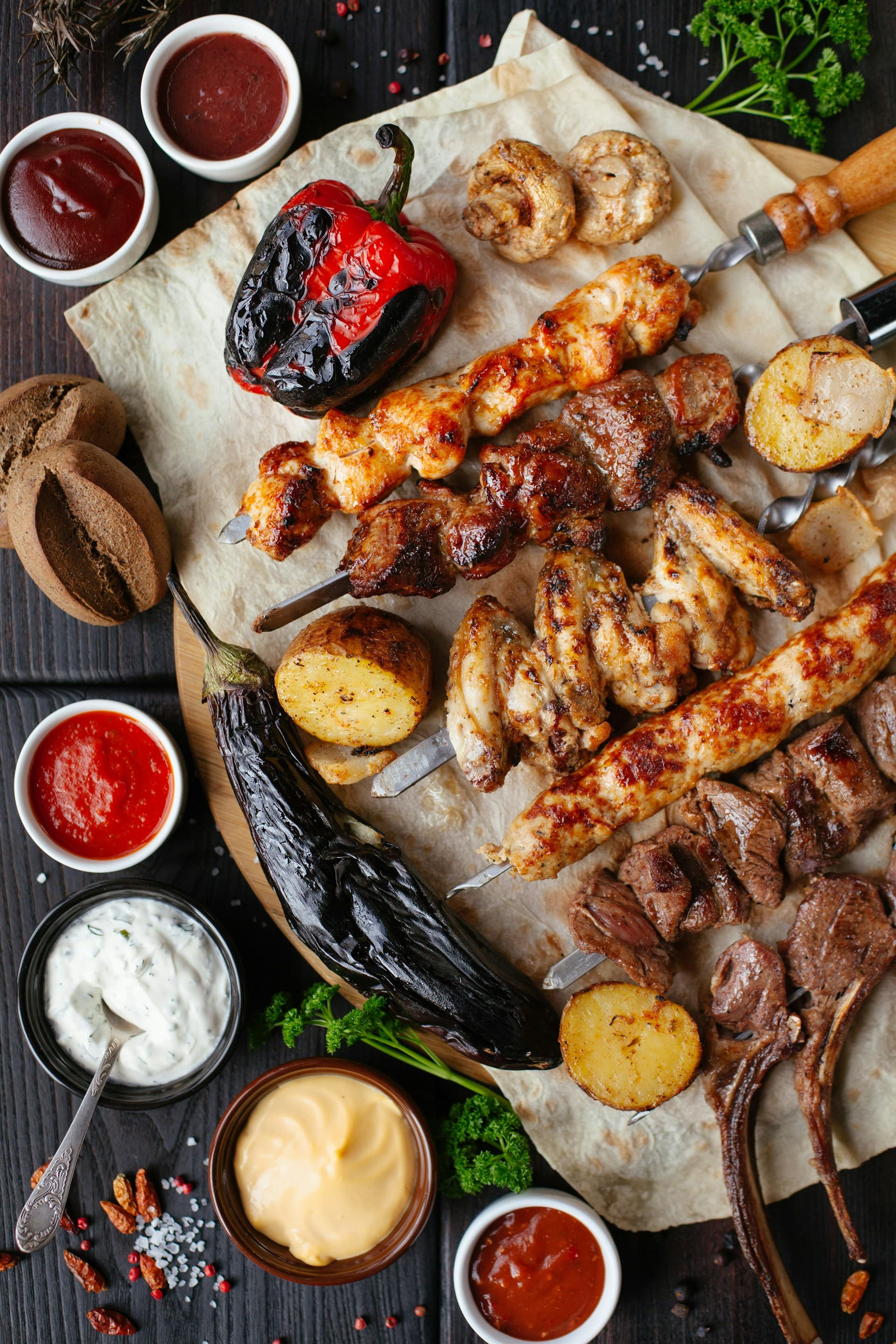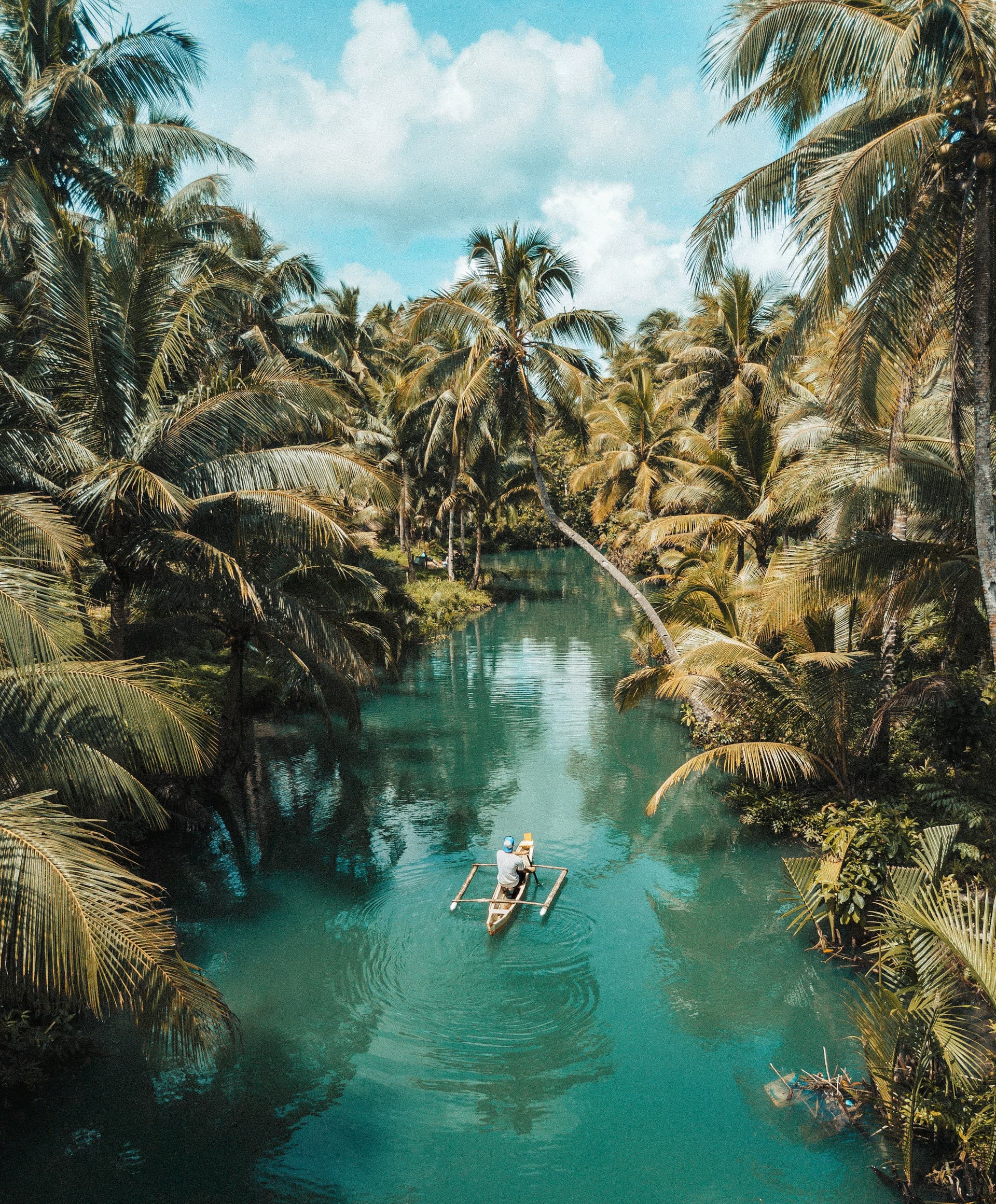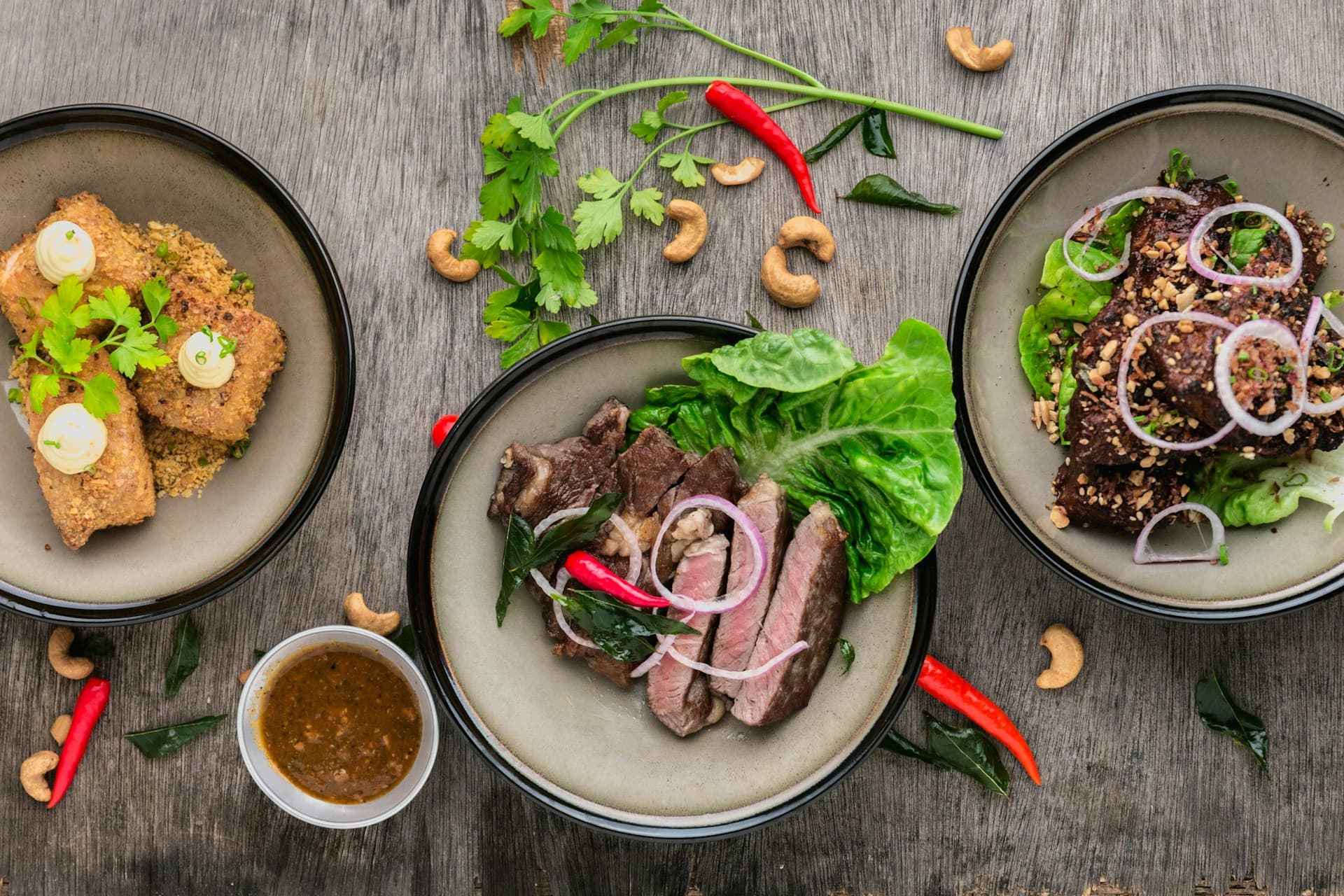

Food is one of the greatest pleasures of travel. It is also one of the areas where travelers most consistently overspend. The gap between what locals pay for lunch and what a tourist pays for the same meal at a restaurant near a major attraction can be 300-500%. That markup does not buy you better food -- it usually buys you a worse version served in a more convenient location.
This guide is about eating extraordinarily well while spending very little. Not by skipping meals or surviving on instant noodles, but by adopting the same strategies that locals use to eat delicious food every day without thinking twice about the cost.
The Golden Rule: Eat Where Locals Eat
This sounds obvious, but most travelers ignore it. Here is how to identify truly local restaurants:
- The menu is in the local language only. If it is in English with photos, it is designed for tourists.
- The clientele is local. If you are the only foreigner in the restaurant, you have found the right place.
- It is not on the main tourist street. Walk two or three blocks away from any major attraction, and prices drop by 40-60%.
- There is a line of locals during lunch hour. This is the single most reliable indicator of good, affordable food.
- The decor is minimal. Plastic chairs and fluorescent lighting usually indicate a place that invests in food rather than ambiance.
I have eaten hundreds of meals at restaurants like this across 50+ countries, and they have consistently been the best and cheapest meals of every trip.
Strategy 1: Master Street Food
Street food is the fastest, cheapest, and often most delicious way to eat while traveling. In much of Asia, Latin America, and Africa, street food is not a novelty -- it is how most people eat every day. The food is prepared fresh in front of you, turnover is high (which means ingredients are fresh), and competition keeps quality up and prices down.
Street Food Safety
The number one concern travelers have about street food is getting sick. Here is how to minimize risk while still enjoying it:
- Choose stalls with high turnover. A vendor serving 100 customers per hour is using fresher ingredients and hotter cooking oil than a sleepy stall with no customers. Long lines are a good sign.
- Watch the cooking process. Food that is cooked to order at high heat in front of you is generally safe. Pre-made food sitting at room temperature is higher risk.
- Look at the water situation. If the vendor is washing plates in a bucket of standing water, consider skipping that stall.
- Start gradually. On your first day in a new country, eat at a stall near your accommodation so you are close to a bathroom if needed. Your gut usually adapts within a day or two.
- Carry hand sanitizer. Use it before eating, especially if you are eating with your hands (which is normal in much of the world).
Best Street Food Cities in the World
- Bangkok, Thailand: Pad thai ($1-1.50), som tam ($1), moo ping (grilled pork skewers, $0.50 each), mango sticky rice ($1.50). The Chinatown (Yaowarat) and Victory Monument areas have the best concentration of vendors.
- Hanoi, Vietnam: Bun cha ($1.50-2), pho ($1.50), banh mi ($0.75-1), egg coffee ($1). The Old Quarter streets specialize in specific dishes -- each street has its signature food.
- Mexico City, Mexico: Tacos al pastor ($0.50-1 each), tlacoyos ($1), elote (grilled corn, $1), tamales ($0.75). Head to any mercado (market) food court for the best variety.
- Istanbul, Turkey: Balik ekmek (fish sandwich, $3), simit ($0.50), lahmacun ($1.50-2), doner kebab ($2-3). The Eminonu waterfront and Kadikoy market are legendary.
- Marrakech, Morocco: Tagine ($3-4 at Jemaa el-Fnaa food stalls), harira soup ($0.75), msemen (Moroccan pancakes, $0.50), fresh orange juice ($0.50).
- Lima, Peru: Ceviche at a market stall ($2-3), lomo saltado ($3-4), anticuchos (grilled beef heart skewers, $1-2). The Surquillo Market food stalls are excellent.
- Kolkata, India: Kati rolls ($0.50-1), puchka/panipuri ($0.30), jhalmuri ($0.30), biryani ($1-2). Park Street and New Market area are street food paradises.
Strategy 2: Eat Your Big Meal at Lunch
Across most of the world, lunch is the main meal of the day, and restaurants price it accordingly. Many restaurants that charge $15-25 for dinner offer a set lunch menu for $5-12 that includes an appetizer, main course, and sometimes dessert and a drink.
Region-Specific Lunch Deals
Europe:
- Spain -- Menu del dia: Three courses plus bread and a drink for $10-13. This is available at virtually every neighborhood restaurant between 13:00-16:00.
- France -- Formule/plat du jour: A set lunch at a bistro for $10-15 that would cost $25-35 at dinner.
- Italy -- Pranzo: Many trattorias offer a lunch special that includes a primo (pasta), secondo (meat or fish), and water for $8-12.
- Portugal -- Prato do dia: The daily special at a local tasca (tavern) costs $5-8 for a hearty plate with sides.
- Poland -- Milk bars (Bar Mleczny): Government-subsidized cafeterias from the communist era that still serve traditional Polish food at below-market prices. A full plate of pierogi: $2-3. Barszcz (beet soup) with a side: $1.50.
Latin America:
- Colombia -- Menu del dia: $2-4 for soup, a main course with rice/beans/plantain, and a drink. Available everywhere.
- Peru -- Menu ejecutivo: $2-3 for soup, a main, a drink, and sometimes dessert.
- Mexico -- Comida corrida: $2-4 for a set menu at a local comedor or fonda.
- Bolivia -- Almuerzo: $1.50-2.50 for soup and a main course. The best budget lunch deal in South America.
Asia:
- Japan -- Teishoku sets: Many restaurants offer set lunches (teishoku) that include a main dish, rice, miso soup, and pickled vegetables for 700-1,000 yen ($5-7), compared to $12-18 for the same food at dinner.
- South Korea -- Lunch specials: Korean lunch specials at neighborhood restaurants cost 6,000-8,000 won ($4-6) with banchan (side dishes) included for free and usually refillable.
Strategy 3: Cook in Your Hostel Kitchen
Cooking your own meals is the most reliable way to keep food costs under control, especially in expensive regions like Western Europe, Scandinavia, Australia, and Japan. Even cooking just breakfast and dinner while eating lunch out cuts your food costs by 40-50%.
Essential Hostel Kitchen Supplies
Travel with these items and you can cook anywhere:
- A small spice kit: Salt, pepper, chili flakes, and a spice blend from each country you visit. This fits in a ziplock bag and transforms basic ingredients.
- A good travel knife (check airline regulations for carry-on). Hostels rarely have sharp knives.
- A reusable food container for leftovers and packed lunches.
Budget Hostel Meals That Actually Taste Good
- Pasta with garlic, olive oil, and vegetables: Total cost $1.50-3 in Europe. Buy pasta ($0.50), a head of garlic ($0.30), olive oil (shared bottle at the hostel or $2 for a small one), and whatever vegetables look good.
- Rice and beans with egg: Total cost $1-2 anywhere in the world. The combination provides complete protein and costs almost nothing.
- Stir-fry with rice: Total cost $2-3 in Asia. Rice, vegetables, soy sauce, and a protein (tofu, egg, or cheap cuts of meat from the market).
- Bread, cheese, and cold cuts: Total cost $3-5 in Europe. Many European supermarkets have excellent deli counters where you can buy small quantities.
- Overnight oats: Total cost $0.50-1. Oats, milk or yogurt, and fruit mixed the night before. Breakfast is ready when you wake up.
Best Supermarkets by Region
- Europe: Lidl and Aldi (cheapest), followed by local chains like Mercadona (Spain), Albert Heijn Basic (Netherlands), Penny (Germany), and Biedronka (Poland)
- Southeast Asia: Local wet markets are cheaper than supermarkets for fresh produce. Supermarket chains like Big C (Thailand) and Co.opmart (Vietnam) are good for packaged staples.
- Latin America: Municipal markets (mercados) for fresh produce and meat. Supermarket chains like Oxxo (Mexico, for basics) and D1 (Colombia) for packaged goods.
Strategy 4: Use Food Apps and Platforms
Technology has created several excellent tools for finding cheap food abroad.
Too Good To Go
Available in 17 European countries plus the US and Canada, this app sells surplus food from restaurants, bakeries, and supermarkets at 60-80% off. You pay $3-5 for a "surprise bag" that typically contains $12-20 worth of food. It is unpredictable but consistently good value. Bakery bags at closing time are particularly excellent.
Google Maps Local Guides Reviews
Sort restaurant reviews by "Newest" to find current local favorites. Look for restaurants with many reviews in the local language (not English) and ratings between 4.0-4.5. Perfect 5.0 ratings with few reviews are unreliable. A restaurant with 800 reviews averaging 4.2 in the local language is almost certainly excellent.
Happy Cow
If you are vegetarian or vegan, the Happy Cow app lists plant-based restaurants worldwide with prices and reviews. Vegetarian food is almost always cheaper than meat-based meals, especially in South and Southeast Asia where vegetarianism is mainstream.
Strategy 5: Learn the Local Food Culture
Every food culture has built-in budget options that tourists rarely discover. Understanding the local eating rhythm saves money automatically.
Asia
- Eat early. In Southeast Asia, the best and cheapest food is available in the morning at breakfast markets. Prices rise as the day progresses toward tourist dinner hour.
- Rice is your friend. In every Asian country, the cheapest filling meal is a plate of rice with toppings. Nasi campur (Indonesia), khao rad kaeng (Thailand), com binh dan (Vietnam), and thali (India) are all variations on the same concept: cheap rice with tasty sides.
- Drink water, not beer. Alcohol in Southeast Asia has steep taxes. A beer at a tourist bar costs $2-4, while the meal you are eating with it cost $1-2. If you drink, buy beer at 7-Eleven or a local shop and drink at your hostel.
Europe
- The aperitivo tradition. In many Italian cities (especially Milan, Turin, and Bologna), bars serve free buffet-style snacks with the purchase of a drink ($5-8) during aperitivo hour (18:00-21:00). A single drink can essentially become dinner.
- Bakery closing time. European bakeries discount their remaining stock 30-60 minutes before closing. Show up at 17:30-18:00 and you might get a bag of bread, pastries, and sandwiches for $2-3.
- Market hall meals. Covered food markets in cities like Budapest (Central Market Hall), Barcelona (La Boqueria, but go to the back stalls, not the tourist-facing front), Lisbon (Time Out Market, though pricey -- try the Mercado da Ribeira market next door instead), and Florence (Mercato Centrale) offer quality meals at moderate prices.
Latin America
- Follow the set meal. Almost every Latin American country has a tradition of affordable set meals at lunch: almuerzo (Bolivia, Ecuador), menu del dia (Colombia), comida corrida (Mexico). These are designed to feed working people quickly and cheaply, and they are almost always the best deal available.
- Eat at market food courts. Every Latin American town has a central market with a food court section on the upper floor or in the back. These food courts serve the freshest local food at the lowest prices. Cusco's San Pedro Market, Oaxaca's Mercado 20 de Noviembre, and Sucre's Mercado Central are all outstanding.
- Juice stands are everywhere. Fresh fruit juice in Latin America costs $0.50-1.50 for a large glass. This is cheaper and better than any bottled drink.
Africa and Middle East
- Communal eating. In many African countries, meals are shared communally from a single large plate. Joining a communal meal at a local restaurant costs a fraction of ordering an individual plate.
- Tea culture. In Morocco, Turkey, and much of the Middle East, tea is offered freely in shops and restaurants. Accepting tea is a social gesture, not a purchase obligation. Many meaningful cultural exchanges happen over a glass of mint tea that costs nothing.
Strategy 6: Avoid Common Tourist Food Traps
Knowing what to avoid is as important as knowing where to eat.
- Restaurants with photos on the menu. Photo menus exist because the food is marketed to people who do not read the local language -- tourists. The markup is usually 50-100%.
- Restaurants with "touts" outside. If someone is standing outside trying to convince you to eat there, the food is probably not good enough to attract customers on its own.
- Hotel restaurant breakfasts. Unless breakfast is included in your room rate, hotel restaurant breakfasts are dramatically overpriced. Walk 100 meters to a local cafe or bakery.
- Restaurants directly adjacent to major attractions. The three restaurants at the base of the Eiffel Tower, the cafes surrounding the Colosseum, the restaurants on the main square of any European city -- these charge location premiums of 100-200%.
- "Authentic local experience" dinner tours. Most food tours marketed to tourists charge $40-80 for an evening of food you could buy yourself for $10-15 if you knew where to go. If you want guidance, a free walking tour guide will happily share their favorite cheap food spots for the cost of a tip.
A Day of Budget Eating: Real Examples
Bangkok ($6 total)
- Breakfast: Jok (rice porridge) from a street vendor near your hostel: $1
- Lunch: Khao man gai (chicken rice) at a shophouse restaurant: $1.50
- Afternoon snack: Fresh mango from a fruit vendor: $0.50
- Dinner: Pad kra pao (basil stir-fry) with rice from a street stall: $1.50
- Drink: Iced Thai tea from 7-Eleven: $0.75
Lisbon ($12 total)
- Breakfast: Bread, cheese, and coffee made in hostel kitchen: $2
- Lunch: Prato do dia at a local tasca in Alfama: $7
- Dinner: Sardines and bread from the supermarket, eaten at the Miradouro da Graca viewpoint: $3
Mexico City ($8 total)
- Breakfast: Tamales and atole from a street vendor: $1.50
- Lunch: Comida corrida at a fonda in Roma Norte: $3.50
- Afternoon snack: Elote (grilled corn) from a cart: $1
- Dinner: Four tacos al pastor at a taqueria: $2
Tokyo ($15 total)
- Breakfast: Onigiri and green tea from Lawson convenience store: $2.50
- Lunch: Teishoku set at a local restaurant near your hostel: $6
- Afternoon snack: Taiyaki (fish-shaped pastry) from a street vendor: $1.50
- Dinner: Bowl of ramen at a neighborhood ramen shop (use the ticket machine): $5
Planning Your Food Budget with TripGenie
Food costs vary dramatically by destination, and the difference between eating like a tourist and eating like a local can mean spending $15/day versus $50/day for the same quality of food. TripGenie's AI planning can factor in local food costs, suggest affordable neighborhoods for eating, and build itineraries that route you past the best market districts and street food areas in any city.
The best meals of your travels will not happen in the restaurants with the highest Michelin ratings or the sleekest interiors. They will happen at a plastic table on a Bangkok side street, at a grandmother's kitchen in rural Italy, at a night market in Taipei, or at a food cart in Oaxaca. And those meals will cost you almost nothing.
Topics

Written by
TripGenie Team
The TripGenie team is passionate about making travel planning effortless with AI. We combine travel expertise with cutting-edge technology to help you explore the world.
@tripgenieGet Travel Tips Delivered Weekly
Get our best travel tips, destination guides, and exclusive deals delivered straight to your inbox every week.
No spam, ever. Unsubscribe anytime.