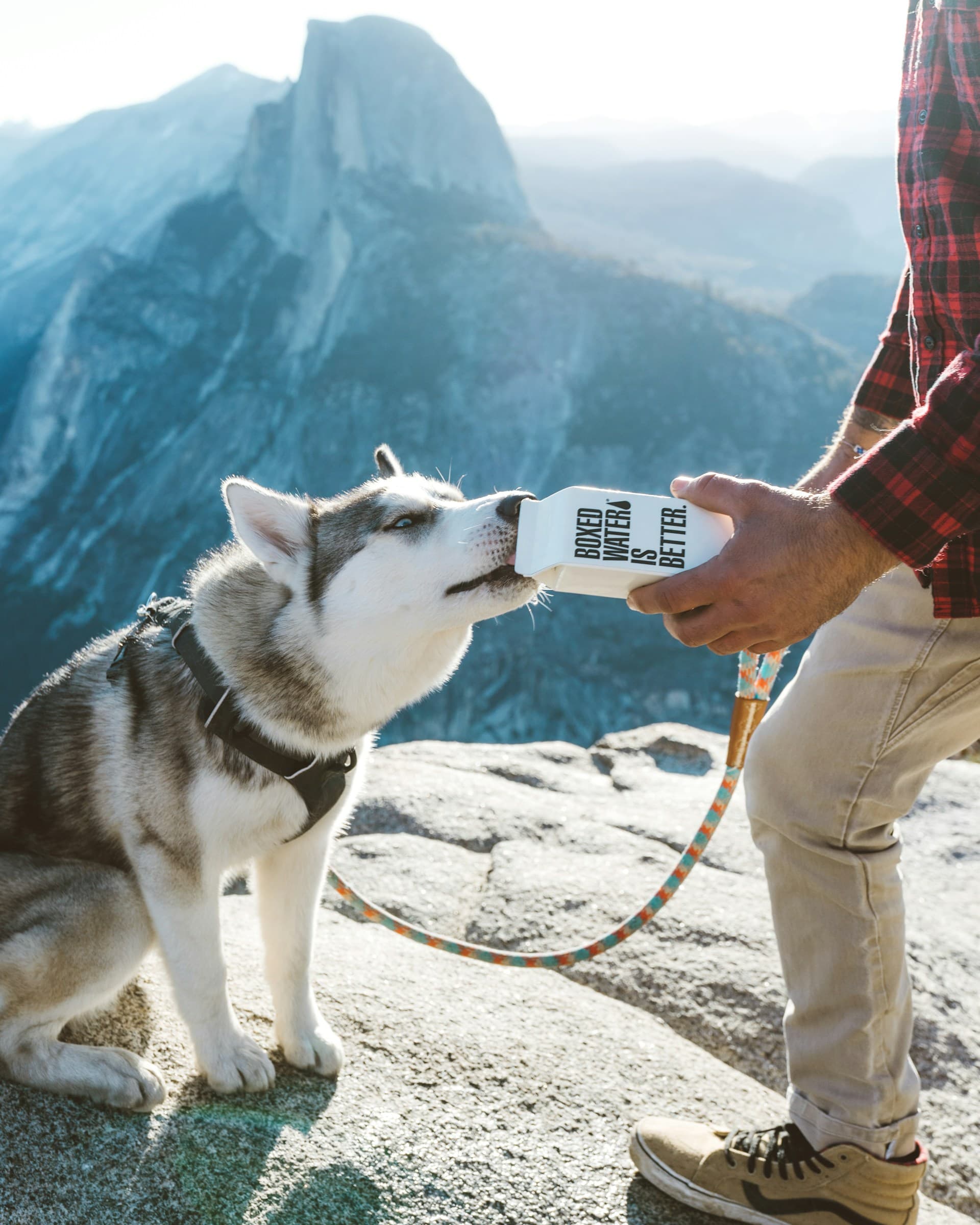

Leaving your pet behind is one of the worst parts of traveling. The guilt, the boarding costs, the worry about how they're handling your absence. More pet owners are choosing to bring their animals along, and airlines, hotels, and destinations are slowly catching up with better pet-friendly policies.
But traveling with a pet — especially flying — requires significant preparation. The wrong carrier size, a missing health certificate, or an unfamiliar airline policy can derail your trip at the gate. This guide covers every detail so your pet travels safely and your trip goes smoothly.
Flying with Pets: What You Need to Know
In-Cabin vs. Cargo
Pets can travel on planes in two ways: in the cabin with you, or in the cargo hold. The rules differ dramatically.
In-cabin travel is available for small dogs and cats that fit in an airline-approved carrier under the seat in front of you. The carrier typically needs to be no larger than 18" x 11" x 11" (dimensions vary by airline). Your pet must remain in the carrier for the entire flight, including takeoff and landing.
Cargo hold travel is required for larger pets that don't fit under the seat. The pet travels in a pressurized, temperature-controlled section of the cargo hold in an airline-approved crate. This is safe but more stressful for the animal and more logistically complex for you.
Airline Policies Compared (US Major Carriers)
#### American Airlines
- In-cabin: $150 each way (domestic). Carrier must fit under the seat. One pet per passenger, limit of 7 pet carriers per flight
- Cargo: Available through American Airlines Cargo for dogs and cats. Restrictions apply in extreme heat or cold
- Breed restrictions: Brachycephalic (short-nosed) breeds like Bulldogs, Pugs, and Persian cats are banned from cargo due to breathing risks at altitude
#### Delta Air Lines
- In-cabin: $150 each way (domestic), $200 international. Soft-sided carrier required for in-cabin
- Cargo: Delta Cargo accepts pets on select routes. Must book through Delta Cargo, not the regular booking system
- Breed restrictions: Brachycephalic breeds banned from cargo year-round
#### United Airlines
- In-cabin: $150 each way. Maximum carrier dimensions 18" x 11" x 11"
- Cargo: United PetSafe program available on select routes
- Breed restrictions: Short-nosed breeds restricted from cargo
#### Southwest Airlines
- In-cabin: $125 each way. Small vaccinated dogs and cats only. Limit of 6 pet carriers per flight
- Cargo: Not available
- International flights: Southwest doesn't fly internationally (limited to US, Puerto Rico, and nearby destinations)
#### JetBlue
- In-cabin: $125 each way. JetPaws program includes a pet carrier tag and information card
- Cargo: Not available
International Flying with Pets
International pet travel is significantly more complex than domestic. Every country has its own entry requirements.
Common requirements include:
- Microchip: ISO 15-digit microchip (the international standard). If your pet's microchip is a different format, you may need to carry a compatible scanner
- Rabies vaccination: Required by virtually every country. Must be administered at least 21 days before travel in most cases
- Health certificate: An official veterinary health certificate issued within 10 days of travel (USDA APHIS Form 7001 for US departures)
- USDA endorsement: For many destinations, your vet's health certificate must be endorsed by the USDA's APHIS office. This can take several days — don't leave it to the last minute
- Rabies titer test: Some countries (Japan, Australia, UK, Singapore) require a blood test proving rabies antibody levels, which must be done 3-6 months before travel
Countries with Strict Quarantine
Some countries impose quarantine periods for incoming pets, regardless of documentation:
- Australia: 10-day mandatory quarantine at a government facility in Melbourne. All documentation must be submitted months in advance through the Department of Agriculture
- New Zealand: 10 days minimum quarantine. Similar strict documentation requirements
- Hawaii (US state, but treated differently): 120-day quarantine can be reduced to 5 days or less with the "5 Day or Less" program, which requires two rabies vaccinations and a rabies antibody test 120+ days before arrival
- Japan: 180-day waiting period after rabies titer test before entry without quarantine
- Singapore: 30-day quarantine for pets from non-approved countries
Countries with easier entry (from the US): Most EU countries, UK, Canada, Mexico, Costa Rica — these generally require a health certificate, rabies vaccination, and microchip, but no quarantine.
Pet Carrier Requirements
For In-Cabin Air Travel
Your carrier must:
- Fit under the seat in front of you (check your specific airline's size limits — they vary)
- Be well-ventilated on at least two sides
- Be leak-proof with an absorbent liner
- Be secure so your pet can't escape during the flight
- Allow your pet to stand up, turn around, and lie down comfortably
- Soft-sided carriers are required by most airlines for in-cabin travel (they compress slightly to fit under seats)
Recommended carriers: Sherpa Original Deluxe, Sleepypod Air, Sturdibag. Check your airline's approved carrier list before purchasing.
For Cargo Travel
Cargo crates must meet IATA Live Animal Regulations:
- Hard-sided with secure metal door
- Proper ventilation on at least three sides
- Large enough for the pet to stand, turn, and lie down
- Water dish attached inside (freeze water before departure so it doesn't spill during loading)
- "Live Animal" stickers and directional arrows on the crate
- No wheels (remove or disable them)
- Absorbent bedding inside
Road Trips with Pets
Driving with your pet is simpler than flying, but it still requires planning.
Safety
- Use a pet seatbelt harness, crash-tested carrier, or vehicle barrier to restrain your pet. An unrestrained pet in a car crash becomes a projectile — dangerous for everyone in the vehicle
- Never let dogs ride with their head out the window on highways. Road debris, bugs, and wind can cause eye injuries
- Never leave your pet in a parked car — temperatures inside a closed car can reach dangerous levels in minutes, even on mild days with the windows cracked
Comfort and Routine
- Stop every 2-3 hours for bathroom breaks, water, and a short walk
- Bring their regular food and water — changing food during travel causes stomach issues
- Pack familiar items: Their bed, a favorite toy, a blanket that smells like home
- Maintain feeding schedule: Keep meals at their normal times to provide routine in an unfamiliar situation
- Motion sickness: Some dogs get carsick, especially puppies. Talk to your vet about anti-nausea medication before the trip. Ginger treats can help mild cases
What to Pack for Your Pet
- Food (enough for the entire trip plus 2 extra days)
- Portable water bowl and water from home (or bottled water)
- Leash, collar with ID tags, and harness
- Poop bags (more than you think you need)
- Medications and copies of prescriptions
- Vaccination records and health certificate
- Recent photo of your pet (in case they get lost)
- First aid kit: tweezers (for ticks), styptic powder, gauze, antiseptic wipes
- A crate or carrier they can retreat to in the car
- Towels (for muddy paws, unexpected messes, and beach trips)
Pet-Friendly Accommodation
Finding Pet-Friendly Hotels
- BringFido.com: The most comprehensive database of pet-friendly hotels, restaurants, and activities worldwide. User reviews include specific pet-related details
- Kimpton Hotels: Every Kimpton property is pet-friendly with no breed or size restrictions and no pet fees. This is the gold standard for pet-friendly hotel policies
- La Quinta: No pet fees at most locations, making it the best budget chain for pet travel
- Best Western: Many locations accept pets, though policies vary by property. Always call ahead
- Marriott, Hilton, Hyatt: Policies vary by brand and individual property. Generally, select-service brands (Residence Inn, Home2 Suites) are more pet-friendly than full-service properties
Airbnb with Pets
Filter for "Pets allowed" on Airbnb. Read the listing details carefully — some hosts allow small dogs but not large breeds, or limit the number of pets. Communicate directly with the host about your pet before booking.
Advantages of vacation rentals with pets:
- Fenced yards (search specifically for this)
- More space for your pet to move around
- A kitchen to prepare pet food
- No other hotel guests to disturb (or be disturbed by)
What "Pet-Friendly" Actually Means
Pet policies vary wildly. Before booking, confirm:
- Pet fee: One-time fees range from $25 to $150. Some charge per night ($25-50/night)
- Breed and size restrictions: Many hotels ban breeds over 50 pounds or specific breeds (Pit Bulls, Rottweilers, etc.)
- Number of pets: Most hotels limit to 1-2 pets per room
- Where pets are allowed: Some restrict pets to specific floors or room types
- Leaving pets unattended: Most hotels prohibit leaving pets alone in the room (they may bark, causing noise complaints, or damage the room)
Managing Pet Travel Anxiety
Travel is stressful for many animals. Unfamiliar environments, new sounds, changes in routine — all of this can cause anxiety that manifests as barking, panting, trembling, destructive behavior, or refusal to eat.
Before the Trip
- Crate training: If your pet isn't crate-trained, start weeks before the trip. The crate should be a safe, comfortable space they enter voluntarily — never a punishment
- Short practice drives: Build up from 10-minute drives to longer trips. Reward calm behavior with treats and praise
- Carrier familiarization: Leave the travel carrier open at home with a blanket and treats inside. Let your pet explore it on their terms
- Vet consultation: Talk to your vet about your specific pet's anxiety levels. They may recommend calming supplements (Adaptil pheromone spray for dogs, Feliway for cats), prescription anti-anxiety medication (trazodone, gabapentin), or a combination approach
During Travel
- Stay calm yourself: Pets mirror your emotional state. If you're stressed about traveling with them, they'll be stressed too
- Maintain routines: Walk at the usual times, feed at the usual times, give attention at the usual times
- Provide a "home base": Set up their crate or bed in the hotel room or rental as soon as you arrive. Include familiar-smelling items
- Don't force exploration: Let your pet acclimate to the new environment at their own pace. Some dogs need an hour to settle into a hotel room; some need a full day
Sedation: A Last Resort
Veterinary organizations generally advise against sedating pets for travel, especially for flying. Sedation can affect breathing and temperature regulation, which are already challenged by altitude changes in a cargo hold. Sedated animals are also less able to brace during turbulence or rough handling.
If your pet has severe travel anxiety that cannot be managed with behavioral strategies and mild anti-anxiety medication, consult your vet about whether travel is appropriate at all. Sometimes the kindest option is a trusted pet sitter or boarding facility.
Choosing Pet-Friendly Destinations
Some destinations are simply better for pet travel than others. Consider:
Best Domestic Destinations with Pets
- San Diego, California: Off-leash dog beaches (Dog Beach in Ocean Beach, Fiesta Island), pet-friendly patios, and mild year-round weather
- Asheville, North Carolina: Trail-friendly culture, many brewery patios welcome dogs, and pet-friendly downtown shops
- Portland, Oregon: Dog parks everywhere, pet-friendly restaurants and breweries, and proximity to hiking
- Sedona, Arizona: Pet-friendly trails with stunning red rock scenery, many pet-friendly hotels and vacation rentals
- Bar Harbor, Maine: Acadia National Park allows dogs on most trails (leashed), and the town is walkable and pet-friendly
International Pet-Friendly Destinations
- Most of Western Europe: France, Italy, and Germany are notably dog-friendly. Dogs are welcome in many restaurants, shops, and on public transit
- Canada: Easy entry requirements from the US (just a rabies certificate), pet-friendly parks and accommodations
- Costa Rica: Relatively easy entry requirements, outdoor-focused activities, and a growing pet-friendly tourism scene
Destinations to Avoid with Pets
- Countries with quarantine requirements (Australia, New Zealand, Japan) unless you're relocating long-term
- Extreme heat destinations during summer months — if it's too hot for you, it's worse for your pet
- Destinations where your primary activities exclude pets: Theme parks, museums, and water sports are generally pet-free zones. If that's the core of your trip, leave your pet with a sitter
The Decision Framework: Should You Bring Your Pet?
Ask yourself honestly:
- Does your pet travel well? If they're terrified in the car or have health issues that altitude complicates, boarding is kinder
- Will you have time for your pet at the destination? If your itinerary is packed with activities that exclude pets, they'll spend the trip in a hotel room — which isn't better than a good boarding facility
- Is the destination suitable? Pet-friendly trails and outdoor dining versus museums and indoor attractions
- Can you handle the logistics? Health certificates, airline coordination, pet fees, and modified itineraries. It's extra work
- What's the trip length? Short trips (under a week) may not justify the stress and expense of pet travel. Longer trips or relocations make more sense
When it makes sense, traveling with your pet deepens the experience. When it doesn't, a trusted pet sitter or quality boarding facility is the responsible choice.
For building pet-friendly itineraries that account for pet-welcoming restaurants, outdoor activities, and pet-friendly accommodation, TripGenie can customize your travel plan around your furry travel companion's needs.
Topics

Written by
TripGenie Team
The TripGenie team is passionate about making travel planning effortless with AI. We combine travel expertise with cutting-edge technology to help you explore the world.
@tripgenieGet Travel Tips Delivered Weekly
Get our best travel tips, destination guides, and exclusive deals delivered straight to your inbox every week.
No spam, ever. Unsubscribe anytime.