
I have packed for over 200 trips across six continents, and I still consult a list every single time. Not because I cannot remember what to bring, but because the one time I trusted my memory, I ended up in Iceland without a proper base layer and in Thailand without reef-safe sunscreen. Packing lists exist so your brain can focus on excitement instead of anxiety.
This is the list I have refined over a decade of travel. It starts with a universal core that applies to every trip, then branches into climate-specific and trip-type add-ons. Print it, bookmark it, or save it to your phone. You will use it again and again.
The Universal Core List
These items belong in your bag regardless of where you are going, how long you are staying, or what you plan to do. They are the non-negotiables.
Documents and Money
- Passport (valid for at least 6 months beyond your return date)
- Visa documents or electronic travel authorization printouts
- Travel insurance card or policy number saved on your phone
- Two copies of your passport (one in your bag, one emailed to yourself)
- Credit card with no foreign transaction fees (Chase Sapphire, Capital One Venture, or Wise card)
- Debit card from a bank that reimburses ATM fees (Charles Schwab or Fidelity)
- Small amount of local currency for arrival (enough for a taxi and a meal)
- Driver's license if you plan to rent any vehicle
Tech Essentials
- Phone and charger with a braided cable (they last far longer than stock cables)
- Universal power adapter — the EPICKA Universal Adapter covers 150+ countries in one unit
- Portable battery pack — Anker 10,000mAh is the sweet spot between capacity and weight
- Headphones or earbuds — noise-canceling is worth it for flights over 3 hours
- E-reader (optional but lighter than books; a Kindle Paperwhite weighs 205 grams)
Toiletries (TSA-Compliant)
- Toothbrush and toothpaste (travel size)
- Deodorant (solid stick avoids the liquid rules)
- Shampoo and conditioner in silicone travel bottles (GoToob+ 3oz bottles are leakproof)
- Face wash and moisturizer
- Sunscreen SPF 50 — reef-safe if you will be near the ocean
- Lip balm with SPF
- Prescription medications in original bottles with a copy of the prescription
- Basic first aid: adhesive bandages, ibuprofen, antihistamine, anti-diarrheal, electrolyte packets
- Hand sanitizer
- Earplugs and sleep mask
Clothing Basics (Adjust Quantities for Trip Length)
- Underwear — 4 to 5 pairs maximum, even for long trips (wash as you go)
- Socks — 3 to 4 pairs of merino wool (Darn Tough brand lasts for years and has a lifetime warranty)
- One pair of versatile shoes that you can walk in all day and wear to a decent restaurant
- One pair of flip-flops or sandals — useful for showers, pools, and casual days
- Two to three t-shirts or tops — at least one in a neutral color
- One long-sleeve layer — works for sun protection, cooler evenings, and religious sites
- One pair of pants or jeans — dark colors hide stains
- One pair of shorts or a skirt
- One outfit that can pass as "smart casual" for nicer dinners or unexpected events
- Lightweight rain jacket — the Patagonia Torrentshell packs down to the size of a grapefruit
Miscellaneous Must-Haves
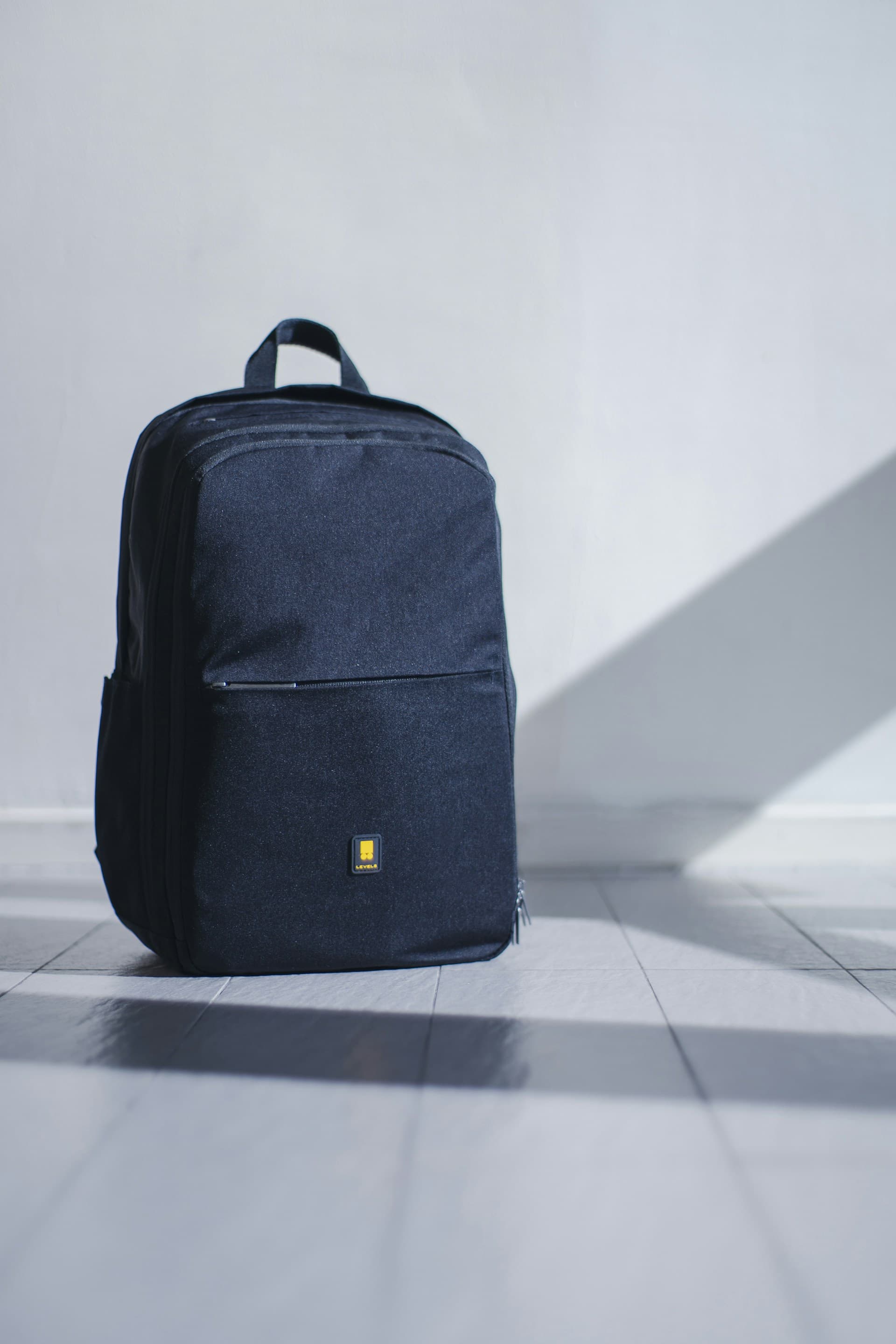
- Day bag or packable backpack — the Osprey Ultralight Stuff Pack weighs 90 grams
- Reusable water bottle with a built-in filter (LifeStraw Go or Grayl GeoPress for developing countries)
- Packing cubes — once you use them, you will never go back (Eagle Creek Specter cubes are the lightest)
- Zip-lock bags — a few quart and gallon sizes for wet clothes, toiletries, or organizing small items
- Travel towel — microfiber, quick-dry (PackTowl Personal dries in half the time of cotton)
- Pen — you will need it for customs forms, and nobody ever has one
Climate Add-On Lists
Start with the universal core, then add items from the relevant climate section below.
Tropical and Hot Climate (Southeast Asia, Caribbean, Central America, Pacific Islands)
Tropical destinations demand breathability, sun protection, and moisture management. Cotton is your enemy here — it absorbs sweat and stays wet for hours.
- Lightweight, moisture-wicking shirts — linen or synthetic blends
- Quick-dry shorts (2 additional pairs beyond your core list)
- Swimsuit (bring two so one can dry while you wear the other)
- Rash guard or UV-protective swim shirt — far more effective than reapplying sunscreen every hour
- Wide-brim hat or baseball cap with UPF 50+ rating
- Quality sunglasses with polarized lenses (do not bring expensive designer pairs; bring ones you can afford to lose)
- Reef-safe sunscreen — look for zinc oxide or titanium dioxide as active ingredients
- Insect repellent with at least 20% DEET or picaridin
- After-bite cream or hydrocortisone for inevitable mosquito bites
- Sarong or pareo — doubles as a beach blanket, cover-up, towel, or privacy curtain
- Waterproof phone case — a $10 JOTO pouch protects a $1000 phone
- Dry bag (10L to 20L) for boat trips and beach days
Cold Weather (Scandinavia, Iceland, Patagonia, Winter Mountain Trips)
Cold weather packing is about layering, not bulk. Three smart layers outperform one heavy coat every time.
- Merino wool base layer top and bottom — Smartwool 250 or Icebreaker Oasis for serious cold
- Insulating mid-layer — a down jacket (Patagonia Down Sweater or Uniqlo Ultra Light Down) or fleece
- Waterproof outer shell — Gore-Tex is the gold standard; the Arc'teryx Beta LT is worth every dollar
- Thermal socks — at least 2 extra pairs of heavyweight merino wool
- Insulated, waterproof boots — broken in before you travel (blisters in freezing weather are miserable)
- Warm hat that covers your ears (beanie or trapper style)
- Insulated gloves — touchscreen-compatible if possible
- Neck gaiter or balaclava — more versatile than a scarf
- Hand warmers — disposable Hot Hands packets weigh nothing and last 10 hours
- Thermal water bottle — hot tea or coffee stays warm for hours in a Hydro Flask
- Moisturizer and lip balm — cold air is brutally dry; your skin will crack without them
- Sunglasses — snow glare can be blinding; polarized lenses are essential
Desert Climate (Morocco, Jordan, Southwest USA, Australian Outback)
Deserts are a contradiction: scorching days and surprisingly cold nights. You need protection from sun, sand, and temperature swings.
- Loose-fitting, long-sleeve shirts in light colors — they actually keep you cooler than tank tops by blocking direct sun
- Lightweight pants — zip-off convertible pants work well here
- Bandana or buff — protects your neck and can cover your nose and mouth during sandstorms
- Closed-toe shoes with good ankle support — sand gets into everything open
- Heavy-duty sunscreen SPF 50+ and reapply every 90 minutes
- Electrolyte packets — dehydration sneaks up fast in dry heat
- Warm mid-layer for evenings — desert temperatures can drop 20 to 30 degrees Celsius after sunset
- Headlamp — many desert campsites and accommodations have limited lighting
- Dust-proof bag or cover for electronics
Rainy Season or Monsoon (Southeast Asia in summer, UK year-round, Pacific Northwest)
You cannot fight the rain. The goal is to stay functional and dry enough while accepting that some wetness is inevitable.
- Waterproof jacket with sealed seams — a $30 rain jacket with sealed seams outperforms a $200 jacket without them
- Waterproof pants or rain skirt for sustained downpours
- Waterproof bag cover or pack liner — a heavy-duty trash bag inside your backpack works in a pinch
- Quick-dry clothing exclusively — nothing cotton
- Waterproof shoes or boots — or sandals you do not mind getting soaked (Teva or Chaco)
- Compact umbrella — useful in cities where a rain jacket feels too warm
- Extra zip-lock bags for electronics, documents, and anything that cannot get wet
- Antifungal powder — your feet will thank you after days of humidity
- Dry bag for daily carry
Trip Type Add-On Lists
Layer these on top of your core list and climate additions.
Business Travel
- Wrinkle-resistant dress shirt or blouse (Ministry of Supply or Bluffworks make travel-specific versions)
- Dress shoes that can be polished (or dressy flats)
- Blazer or sport coat in a dark, wrinkle-resistant fabric
- Dress pants or skirt (one pair is usually enough)
- Tie or accessories if required
- Laptop and charger
- Business cards (still relevant in Asia and parts of Europe)
- Portable garment steamer — the Hilife steamer weighs under a pound and removes wrinkles in minutes
- Dopp kit upgrade — add cologne or perfume, lint roller, stain remover pen
Backpacking and Long-Term Travel
- Backpack in the 40L to 65L range — Osprey Atmos AG 65 for comfort, or Osprey Farpoint 40 for carry-on only
- Padlock for hostel lockers (combination locks are easier than keys you might lose)
- Headlamp — essential for dorm rooms when others are sleeping
- Travel laundry kit — a Sea to Summit clothesline and a few sheets of travel detergent (Matador brand)
- Sleeping bag liner — adds warmth and hygiene to questionable hostel beds
- Multi-tool or Swiss Army knife (checked luggage only)
- Journal and pen — you will forget details faster than you think
- Extra passport photos — needed for some visa applications on the road
- Copies of important documents stored in a waterproof pouch
Beach Vacation
- Swimsuits (at least two)
- Cover-up or sarong for walking to and from the beach
- Beach-friendly sandals that can handle sand and water
- Snorkel gear if you snorkel frequently (rental gear is often poorly maintained)
- Waterproof sunscreen SPF 50+ — apply 20 minutes before entering water
- After-sun lotion or aloe vera gel
- Waterproof Bluetooth speaker (JBL Clip series clips to a bag and sounds great)
- Beach bag that drains sand
- Polarized sunglasses — they cut glare off water dramatically
- Book or e-reader for downtime
City Break
- Comfortable walking shoes — you will walk 15,000 to 25,000 steps per day; running shoes or broken-in sneakers are ideal
- Crossbody bag or anti-theft daypack — Pacsafe makes excellent slash-proof options
- Museum pass or city card (research in advance; they save significant money in cities like Paris, Amsterdam, and Rome)
- Portable phone charger — navigation drains your battery fast
- Compact camera if your phone camera is not sufficient
- Smart casual outfit for restaurants and nightlife
- Public transit card or app (many cities now accept contactless credit cards directly)
Hiking and Outdoor Adventure
- Hiking boots broken in for at least 50 miles before the trip
- Moisture-wicking hiking socks (Darn Tough or Injinji toe socks to prevent blisters)
- Trekking poles — collapsible carbon fiber poles like Black Diamond Distance Carbon Z
- Hydration bladder (2L to 3L) or multiple water bottles
- Trail snacks — energy bars, nuts, dried fruit, electrolyte mix
- Navigation tools — downloaded offline maps, physical map and compass as backup
- Headlamp with extra batteries
- Blister kit — moleskin, athletic tape, and antiseptic wipes
- Gaiters for muddy or snowy trails
- Trekking pants with stretch fabric — Prana Stretch Zion or equivalent
- Emergency whistle and space blanket — weigh almost nothing, could save your life
The Carry-On Only Strategy
Packing carry-on only is not just about saving on baggage fees. It is about freedom. No waiting at carousels, no risk of lost luggage, no hauling a heavy suitcase up cobblestone streets. Here is how to do it for trips up to two weeks.
Choose the Right Bag
Your bag must meet airline carry-on dimensions (typically 22 x 14 x 9 inches or 56 x 36 x 23 cm). The best options:
- Osprey Farpoint/Fairview 40L — backpack style, opens like a suitcase, built-in compression straps
- Away The Carry-On — hard-shell roller with excellent organization
- Peak Design Travel Backpack 45L — expandable, photographer-friendly, premium build quality
- Tom Bihn Aeronaut 45 — soft-sided, opens flat, fits under seats on smaller planes
The Core Carry-On Packing Strategy
- Wear your bulkiest items on the plane. Your heaviest shoes, your jacket, your jeans. This is not cheating; it is smart physics.
- Use packing cubes religiously. Compression cubes can reduce clothing volume by 30 to 40 percent.
- Limit shoes to two pairs total. The pair on your feet and one other. Shoes are the biggest space killers.
- Roll soft items, fold structured items. Rolling t-shirts and underwear saves space. Fold dress shirts and pants to prevent creases.
- Decant toiletries into 2oz or 3oz bottles. You do not need a full bottle of shampoo for a week. Solid toiletry bars (shampoo bars, soap bars, solid deodorant) eliminate liquid restrictions entirely.
- Pack for 4 to 5 days maximum, regardless of trip length. After 5 days of clothing, you are carrying dead weight. Laundry is available everywhere in the world. A sink wash with travel detergent takes 10 minutes and clothes dry overnight.
- Choose a color palette. Pick 2 to 3 neutral base colors (black, navy, gray, khaki) and one accent color. Every top should work with every bottom. This is not about fashion; it is about math. Three tops and two bottoms create six outfits.
What Goes in Your Personal Item
Your personal item (a small backpack, tote, or messenger bag that goes under the seat) should contain everything you need if your carry-on gets gate-checked:
- Passport, wallet, phone, and keys
- Medications
- One change of underwear and a t-shirt
- Phone charger and portable battery
- Headphones
- Snacks
- A pen
- Any valuables (camera, laptop, jewelry)
Packing Mistakes That Cost You
After years of travel, these are the mistakes I see over and over:
Packing "just in case" items. That formal dress you might need. The third pair of shoes. The book you probably will not read. If you cannot name a specific occasion where you will use something, leave it at home. You can buy almost anything at your destination.
Ignoring the weight of toiletries. Full-size bottles of shampoo, conditioner, body wash, and lotion can add 3 to 5 pounds to your bag. Decant into small bottles or switch to solid alternatives.
Bringing too many electronics. Your phone replaces your camera, your map, your guidebook, your alarm clock, your flashlight, and your notebook. You probably do not need all those separate devices.
Not checking luggage restrictions before you fly. Budget airlines like Ryanair, Spirit, and AirAsia have strict carry-on size and weight limits. A bag that is fine on Delta might cost you $60 at the Ryanair gate.
Failing to leave room for souvenirs. Pack your bag to about 80 percent capacity on the way out. You will buy things. You always buy things.
The Final Check
Before you close your bag, run through this 30-second checklist:
- Passport and ID — in your personal item, not your checked or carry-on bag
- Phone, charger, and adapter — charged to 100 percent
- Medications — in original containers, in your personal item
- Cash and cards — spread across two bags in case one is lost
- Travel insurance details — saved on your phone and printed
- One full outfit in your personal item — your backup plan if luggage disappears
Close the bag. Take a breath. You have everything you need.
Packing is not about bringing everything you might want. It is about bringing everything you will actually use and trusting that the rest can be figured out on the road. The world has shops. It has laundromats. It has pharmacies. Pack smart, pack light, and spend your energy on the trip itself, not on dragging a heavy bag through airports.
Topics

Written by
TripGenie Team
The TripGenie team is passionate about making travel planning effortless with AI. We combine travel expertise with cutting-edge technology to help you explore the world.
@tripgenieGet Travel Tips Delivered Weekly
Get our best travel tips, destination guides, and exclusive deals delivered straight to your inbox every week.
No spam, ever. Unsubscribe anytime.