
Portugal has transformed from a quiet corner of Europe into one of the continent's most popular travel destinations, and for good reason. World-class food and wine, 850 kilometers of Atlantic coastline, medieval cities, and prices that remain lower than most of Western Europe create a compelling package. But Portugal's climate varies significantly between its regions, and the difference between visiting the Algarve in August versus October -- or Lisbon in January versus June -- is dramatic in terms of weather, crowds, and cost.
This guide covers every major Portuguese region month by month, including the Atlantic islands of the Azores and Madeira, so you can time your trip for the best possible experience.
Portugal's Climate Zones
Portugal is divided into several distinct climate zones that behave differently throughout the year:
Northern Portugal (Porto, Minho, Douro Valley): Maritime climate with cool, wet winters and warm, relatively dry summers. Expect more rain than the south, particularly from October through March.
Central Portugal (Lisbon, Sintra, Coimbra): Mediterranean climate with hot, dry summers and mild, wet winters. Lisbon receives most of its annual rainfall between November and February.
Southern Portugal (Algarve): Semi-arid Mediterranean climate with over 300 sunny days per year. Winters are mild (12-16 degrees Celsius) and summers are hot (28-35 degrees Celsius). The driest region in Portugal.
Azores: Subtropical oceanic climate. Mild year-round (14-25 degrees Celsius) but wet, with rainfall possible in any month. Weather changes rapidly -- you can experience sun, rain, and fog within a single hour.
Madeira: Subtropical with trade wind influence. Funchal (south coast) is warm and relatively dry; the north coast and mountains are cooler and wetter. Temperatures range from 16-22 degrees Celsius year-round in Funchal.
Month-by-Month Guide
January
Lisbon: 8-15 degrees Celsius. Rainy season, but Lisbon averages 4-5 hours of sunshine even in January. Hotel prices are at their annual lowest. The city's museums, restaurants, and fado houses are uncrowded and atmospheric.
Porto: 5-13 degrees Celsius. Cold and wet. The Douro Valley's terraced vineyards are bare and dramatic. Port wine lodges in Vila Nova de Gaia are open year-round and essentially empty in January.
Algarve: 8-16 degrees Celsius. Mild and quiet. Many beach restaurants and bars close for winter, but the coastline is spectacular for hiking. The Seven Hanging Valleys Trail (Percurso dos Sete Vales Suspensos, 5.7 km) is best in winter without summer heat. Hotel prices are 50-70% below August rates.
Budget tip: January is the cheapest month to visit mainland Portugal. Flights from the US on TAP Portugal drop to $250-$350 round trip from the East Coast. Lisbon hotel rooms that cost $150-$250 in summer are available for $60-$100.
February
Lisbon: 9-16 degrees Celsius. Carnival season (date varies). Rainfall begins to decrease. Almond blossoms appear in the Algarve, creating a pink-and-white canopy across the countryside -- Portugal's answer to Japan's cherry blossoms.
Algarve: 9-17 degrees Celsius. Almond blossom season peaks in mid-to-late February. The inland hills between Silves, Loulein, and Alte are covered in blooming almond trees. This is one of the Algarve's most underrated seasonal events.
Porto: 6-14 degrees Celsius. Still winter but occasionally bright and clear. The Mercado do Bolhao (Porto's central market) and the Livraria Lello bookshop are enjoyable without summer queues.
March
Lisbon: 10-18 degrees Celsius. Spring arrives early. The city's parks (Jardim da Estrela, Parque das Nacoes) are green and blooming. Outdoor dining becomes pleasant. Tourism picks up but remains manageable.
Algarve: 10-18 degrees Celsius. The coast warms noticeably. Surf season is still active (the best surf in Portugal runs October through April). Water temperature is 15-16 degrees Celsius -- cold but swimmable with a wetsuit.
Azores: 12-17 degrees Celsius. The hydrangea hedgerows have not yet bloomed, but the islands are lush green. Whale watching season begins (sperm whales are present year-round, but blue whales pass through March-June). Book with Futurismo in Sao Miguel ($70-$80 per person).
April
Lisbon: 13-20 degrees Celsius. One of the best months for Lisbon. Warm enough for outdoor exploration, cool enough for walking the hilly neighborhoods of Alfama, Bairro Alto, and Graca without overheating. The Lisbon Fish and Flavours food festival typically falls in April.
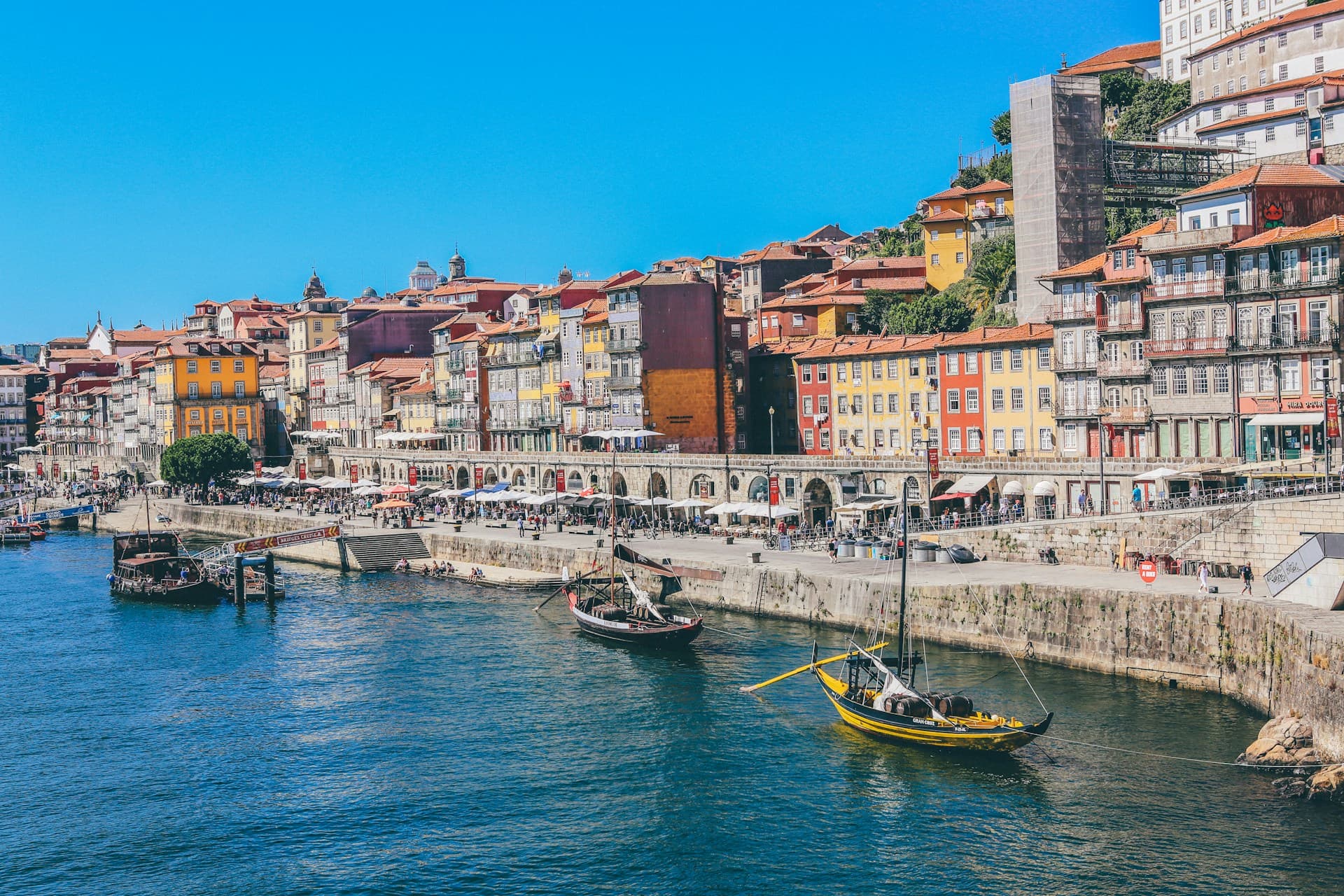
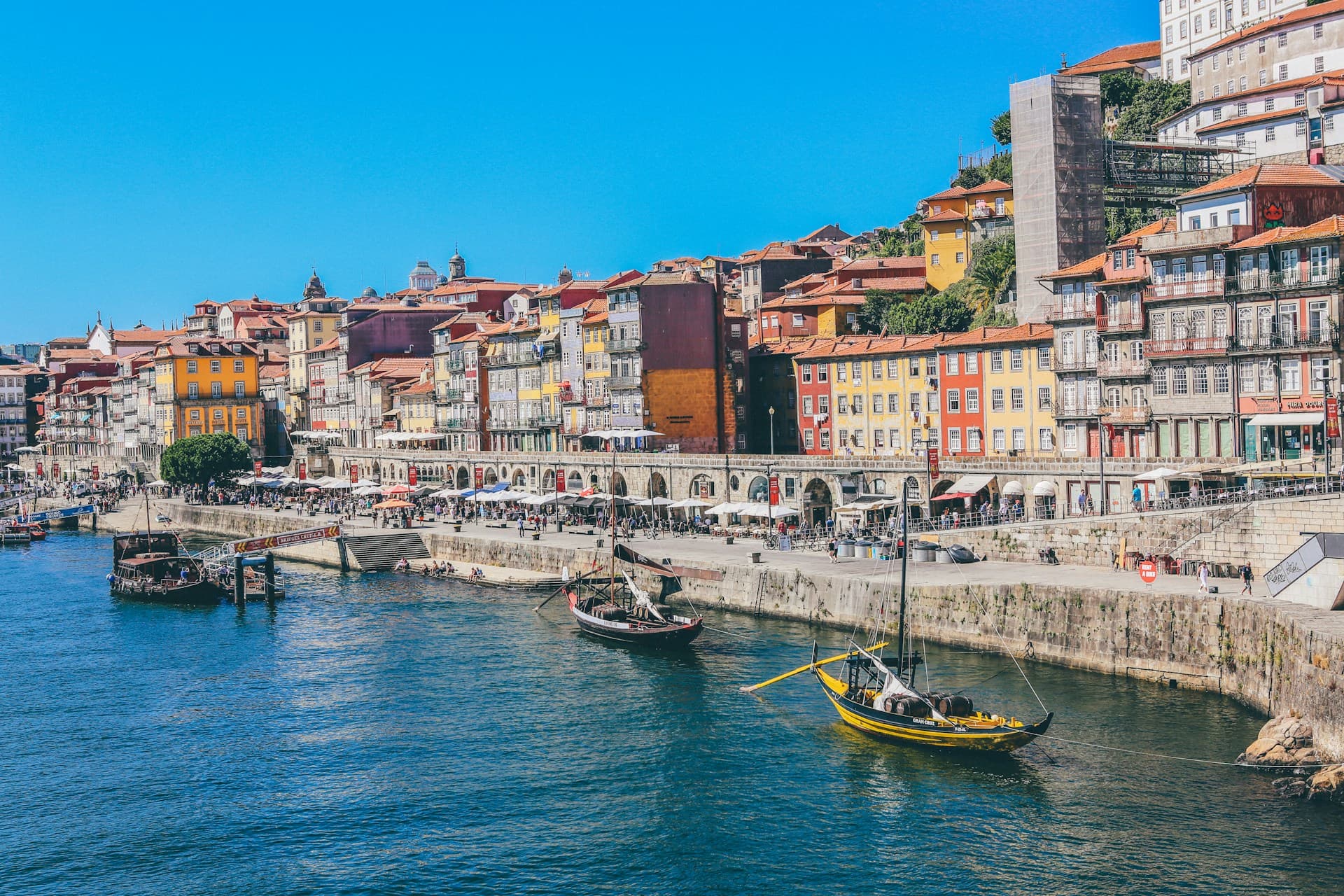
Porto: 10-18 degrees Celsius. Spring flowers and warmer temperatures make Porto's riverfront and Ribeira district especially enjoyable. Day trips to the Douro Valley for wine tasting begin their peak season.
Madeira: 15-20 degrees Celsius. The Madeira Flower Festival (Festival da Flor) occurs in late April or early May, filling Funchal's streets with elaborate floral displays, parades, and installations. Hotel prices spike during the festival but remain reasonable by European standards ($80-$150 per night for mid-range).
May
Lisbon: 15-23 degrees Celsius. Excellent month. Warm, sunny, and not yet peak season. The city's viewpoints (miradouros) are perfect in the late afternoon light. Expect to spend comfortably in outdoor cafes through the evening.
Algarve: 15-22 degrees Celsius. Water temperature reaches 17-18 degrees Celsius. Beaches are uncrowded. This is arguably the best month for the Algarve -- warm weather without the July-August crowds and heat.
Porto: 12-20 degrees Celsius. Reliably pleasant. The Sao Joao preparations begin (the festival is June 23-24, but the city's energy builds throughout May). Douro Valley boat cruises are running in full swing.
Azores: 14-19 degrees Celsius. Hydrangeas begin to bloom. Conditions are excellent for hiking. The volcanic landscapes are at their greenest.
June
Lisbon: 18-27 degrees Celsius. The Santos Populares festivals dominate June. Santo Antonio (June 12-13) is Lisbon's biggest party -- sardine grilling on every corner, street dancing, parades through Alfama. The atmosphere is electric and the festival is largely a local celebration, not a tourist production.
Porto: 15-24 degrees Celsius. Sao Joao (June 23-24) is Porto's equivalent of Santo Antonio. The entire city takes to the streets. The tradition of hitting strangers on the head with soft plastic hammers (or, traditionally, leeks) is unique to Porto. The party runs all night.
Algarve: 18-26 degrees Celsius. Summer has arrived but the crushing crowds have not. This is the sweet spot -- beaches are warm, restaurants are open, and you can still find a parking spot.
Budget note: June marks the transition from shoulder to peak pricing. Early June is still shoulder season in many areas; late June is effectively peak.
July
Lisbon: 20-30 degrees Celsius. Peak season begins in earnest. The city is hot, busy, and vibrant. Queues form at Belem's Pasteis de Belem (go early morning or late evening). Sintra day trips require advance planning as the train and Pena Palace are crowded.
Algarve: 22-30 degrees Celsius. Peak beach season. Water temperature reaches 20-22 degrees Celsius. Beaches like Praia da Marinha, Praia de Benagil, and Praia da Dona Ana are packed by 11:00 AM. Book accommodation well in advance.
Porto: 17-27 degrees Celsius. Warm and sunny. The Douro Valley vineyards are in full leaf. River cruises from Porto to Regua ($60-$90 per person) operate daily.
Azores: 18-25 degrees Celsius. The hydrangeas are in full bloom across all islands, creating the iconic blue-and-green Azorean landscapes. This is peak season for the Azores with the best weather, but even at peak, the islands are never crowded by European standards.
August
Lisbon: 21-31 degrees Celsius. Hottest month. Many local restaurants close for August vacations (a Portuguese tradition). The city is full of tourists but many locals have departed to the coast. Expect temperatures above 35 degrees Celsius on heat wave days.
Algarve: 22-31 degrees Celsius. The busiest month. Portuguese, Spanish, British, and French tourists pack the coast. Hotel prices peak (often double the May rate). The upside: water temperature reaches 22-24 degrees Celsius, perfect for swimming.
Madeira: 20-26 degrees Celsius. Warm and pleasant. The island's Laurel forests provide shade for hiking even in summer. Levada walks (following historic irrigation channels through mountains and forests) are comfortable in August due to Madeira's altitude and trade winds.
Budget tip: August is the most expensive month for Portugal. If you must visit in summer, early June or late September offers nearly identical weather at significantly lower prices.
September
Lisbon: 19-28 degrees Celsius. The heat moderates slightly, tourists thin by mid-September, and the city returns to a pleasant rhythm. This is widely considered one of the two best months (with May) to visit Lisbon.
Algarve: 20-27 degrees Celsius. Water temperature is still warm (21-23 degrees Celsius). Crowds diminish significantly after the first week. Prices begin to drop. Late September is a superb time for a beach holiday.
Douro Valley: Wine harvest (vindima) occurs in September and early October. Some quintas (wine estates) offer harvest experiences where visitors help pick grapes and participate in traditional foot-treading. Quinta de la Rosa, Quinta do Vallado, and Quinta Nova all offer harvest participation for visitors.
October
Lisbon: 16-23 degrees Celsius. Mild, sunny, and less crowded. Outdoor cafes and miradouro terraces are perfect. Rainfall increases toward the end of the month.
Algarve: 16-22 degrees Celsius. The coast is quiet. Surf season begins to ramp up. The Sagres area on the southwestern tip of Portugal hosts the Birdwatching Festival in October, as migratory birds funnel through this narrow peninsula.
Porto: 12-20 degrees Celsius. Autumn colors in the Douro Valley. The grape harvest is wrapping up. Wine tasting tours are excellent, and the landscapes of terraced vineyards turning gold and red are stunning.
Azores: 16-21 degrees Celsius. The weather becomes less predictable, but the islands are green, uncrowded, and atmospheric. Whale watching continues (humpback whales pass through October-November).
November
Lisbon: 11-18 degrees Celsius. Autumn rain returns. The city is quiet and atmospheric. Sao Martinho (November 11) is celebrated with roasted chestnuts and new wine (agua-pe) at street stalls throughout Lisbon and Porto.
Madeira: 17-22 degrees Celsius. Madeira's mild climate makes it a year-round destination. November is pleasant for hiking levadas and exploring Funchal's old town.
Budget: November pricing drops to near-winter lows. Flights and hotels are significantly cheaper than summer.
December
Lisbon: 9-15 degrees Celsius. Christmas markets, decorated streets, and festive atmosphere. The Wonderland Lisboa Christmas market in Parque Eduardo VII runs from early December through early January.
Madeira: 16-21 degrees Celsius. Madeira New Year's Eve fireworks are among the most spectacular in the world -- a Guinness World Record holder. The fireworks display illuminates the entire Funchal amphitheater harbor. Book accommodation 3-6 months in advance for New Year's Eve.
Algarve: 10-16 degrees Celsius. Very quiet but mild enough for coastal walks and golf. The Algarve has over 40 golf courses and winter is popular with European golfers seeking off-season rates ($40-$80 per round versus $100-$200 in summer).
Surf Season Guide
Portugal is one of Europe's premier surf destinations, and different coasts work in different seasons.
Best Surf by Region and Season
Peniche and Ericeira (Central Coast): Portugal's surf capital. The best waves arrive from October through April with powerful North Atlantic swells. Summer offers smaller, cleaner waves suitable for beginners. Supertubos near Peniche hosts the WSL Championship Tour event in October/November.
Algarve (South Coast): South-facing beaches receive smaller swells than the west coast, making the Algarve better for intermediate surfers and longboarders. Best from October through May. Sagres and Arrifana face west and receive more powerful swell.
Nazare: Home to the world's biggest waves (the current record is over 26 meters). Big wave season runs from October through March, with the largest swells typically November through February. The Praia do Norte viewpoint is free and offers front-row views of big wave surfing when conditions align.
Porto and the North: Consistent year-round surf with the best waves October through April. Colder water (14-18 degrees Celsius year-round) requires a 4/3mm or thicker wetsuit. Less crowded lineups than the central coast.
Wine Harvest and Food Festivals
| Event | Month | Location | Description |
|---|---|---|---|
| Douro Wine Harvest | September-October | Douro Valley | Grape picking, foot-treading, new wine tasting |
| Lisbon Fish and Flavours | April | Lisbon | Seafood festival with top Portuguese chefs |
| Santo Antonio Festival | June 12-13 | Lisbon | Sardine grilling, street parties, fado |
| Sao Joao Festival | June 23-24 | Porto | All-night street party, fireworks, grilled sardines |
| Madeira Wine Festival | September | Funchal, Madeira | Grape harvest celebrations, folk performances |
| Sao Martinho | November 11 | Nationwide | Roasted chestnuts and new wine |
| National Gastronomy Festival | October | Santarem | Portugal's oldest food festival |
Price Comparison by Month
Average Hotel Prices (Mid-Range Double Room)
| Month | Lisbon | Porto | Algarve | Azores | Madeira |
|---|---|---|---|---|---|
| January | $60-$100 | $50-$90 | $40-$70 | $50-$80 | $55-$90 |
| February | $60-$100 | $50-$90 | $45-$75 | $50-$80 | $55-$90 |
| March | $70-$120 | $60-$100 | $50-$85 | $55-$90 | $60-$100 |
| April | $80-$140 | $70-$120 | $60-$100 | $60-$100 | $75-$130 |
| May | $90-$160 | $80-$130 | $70-$120 | $65-$110 | $70-$120 |
| June | $110-$200 | $90-$150 | $90-$160 | $70-$120 | $75-$130 |
| July | $130-$250 | $100-$180 | $120-$250 | $80-$140 | $80-$140 |
| August | $140-$280 | $110-$190 | $150-$300 | $85-$150 | $85-$150 |
| September | $100-$180 | $80-$140 | $80-$150 | $70-$120 | $70-$120 |
| October | $80-$140 | $65-$110 | $55-$100 | $55-$95 | $60-$100 |
| November | $60-$100 | $50-$90 | $40-$70 | $50-$80 | $55-$90 |
| December | $70-$120 | $60-$100 | $45-$80 | $50-$80 | $80-$150* |
*December pricing in Madeira spikes for the last two weeks due to New Year's Eve demand.
Planning Your Portugal Trip by Season
Best Overall: May and September-October
These months offer the best balance of pleasant weather, manageable crowds, and reasonable prices across all regions. You can combine Lisbon, Porto, and the Algarve in a single trip without weather compromises.
Best for Budget: November-February
Winter Portugal is mild by Northern European standards, and prices drop dramatically. Lisbon and Porto are atmospheric in the rain. The Algarve is quiet but pleasant for hiking and golf. Madeira and the Azores are viable year-round destinations.
Best for Beach: June and September
Avoid the August crush but enjoy warm water (19-23 degrees Celsius) and sunny skies. Late June and early September are the sweet spots.
Best for Culture and Festivals: June
Santo Antonio in Lisbon (June 12-13) and Sao Joao in Porto (June 23-24) are two of Portugal's most vibrant and authentic festivals. Visiting both in a single trip is achievable by train.
Planning a Portugal trip that hits multiple regions at the right seasonal moments requires juggling weather patterns, festival dates, and transport logistics. Try TripGenie to build a day-by-day Portugal itinerary that coordinates your Lisbon, Porto, Algarve, and island visits around the seasonal and cultural highlights that matter most to you.
Final Tips
- Book Lisbon accommodation in Alfama, Mouraria, or Graca for the most authentic neighborhoods. These areas are hilly but rewarding, with fado houses, neighborhood tascas (taverns), and viewpoints around every corner.
- Take the train between cities. Portuguese trains (Comboios de Portugal, cp.pt) are affordable and scenic. Lisbon to Porto takes 2 hours 40 minutes on the Alfa Pendular and costs $25-$35. Lisbon to Faro (Algarve) takes 2 hours 45 minutes and costs $20-$30.
- Eat the daily specials (prato do dia). Most Portuguese restaurants offer a daily lunch special for $7-$12 that includes a main course, soup, bread, drink, and coffee. This is how locals eat, and the quality is consistently excellent.
- Visit Sintra on a weekday, not a weekend. The palaces and gardens are stunning but incredibly crowded on weekends, particularly in summer. Arrive by 9:00 AM on a Tuesday or Wednesday for the best experience.
- Rent a car for the Algarve and Douro Valley. Public transport is limited in these regions. A rental car costs $20-$35 per day and opens up dramatic coastal drives, hilltop villages, and vineyard visits that are inaccessible by bus.
Portugal rewards the traveler who times their visit well. The same country that feels overwhelmed and overheated in August becomes a revelation of empty beaches, lingering dinners, and uncrowded cobblestone streets in May or October. Choose your season carefully, and Portugal will show you its best.
Topics

Written by
TripGenie Team
The TripGenie team is passionate about making travel planning effortless with AI. We combine travel expertise with cutting-edge technology to help you explore the world.
@tripgenieGet Travel Tips Delivered Weekly
Get our best travel tips, destination guides, and exclusive deals delivered straight to your inbox every week.
No spam, ever. Unsubscribe anytime.