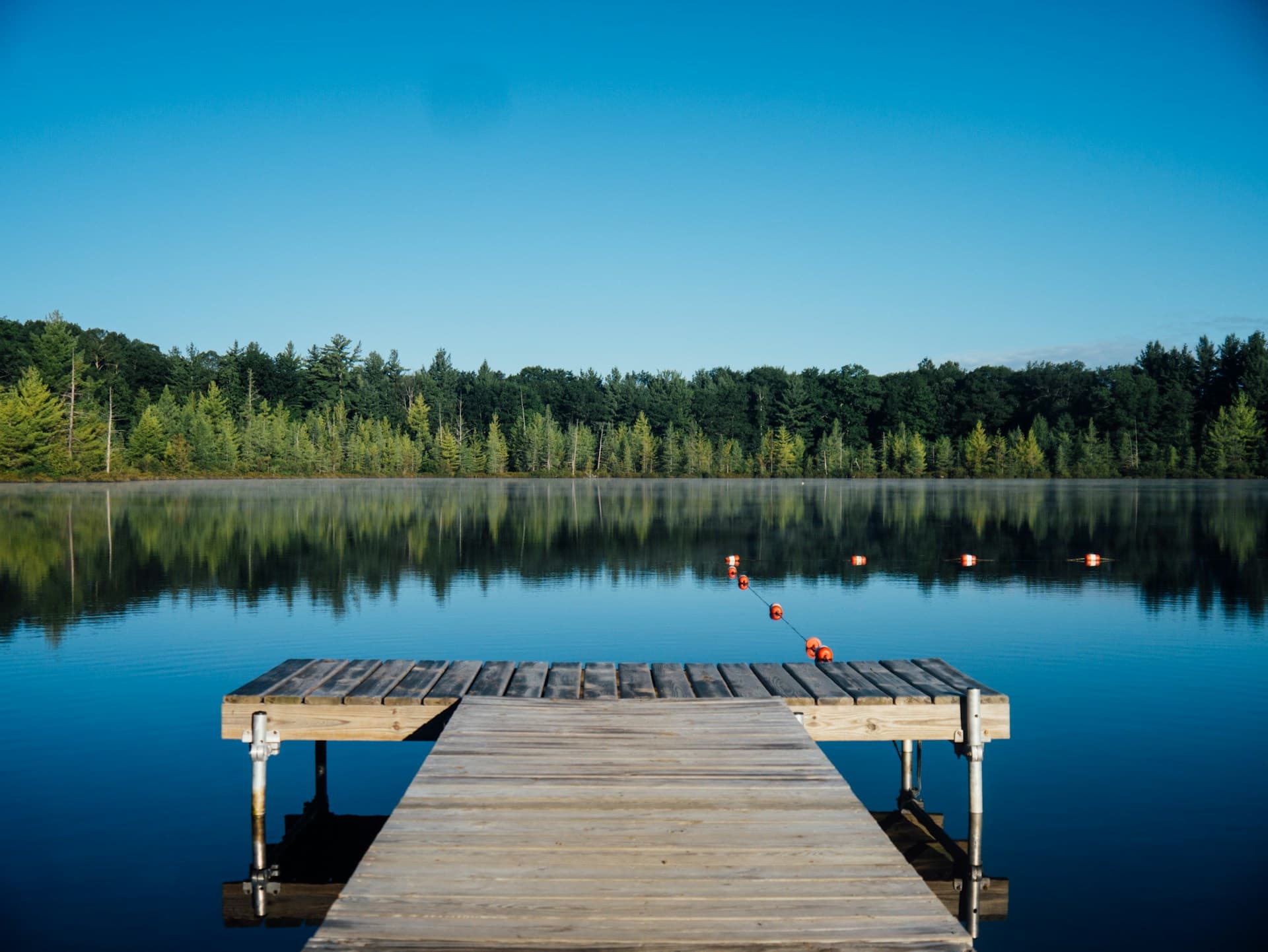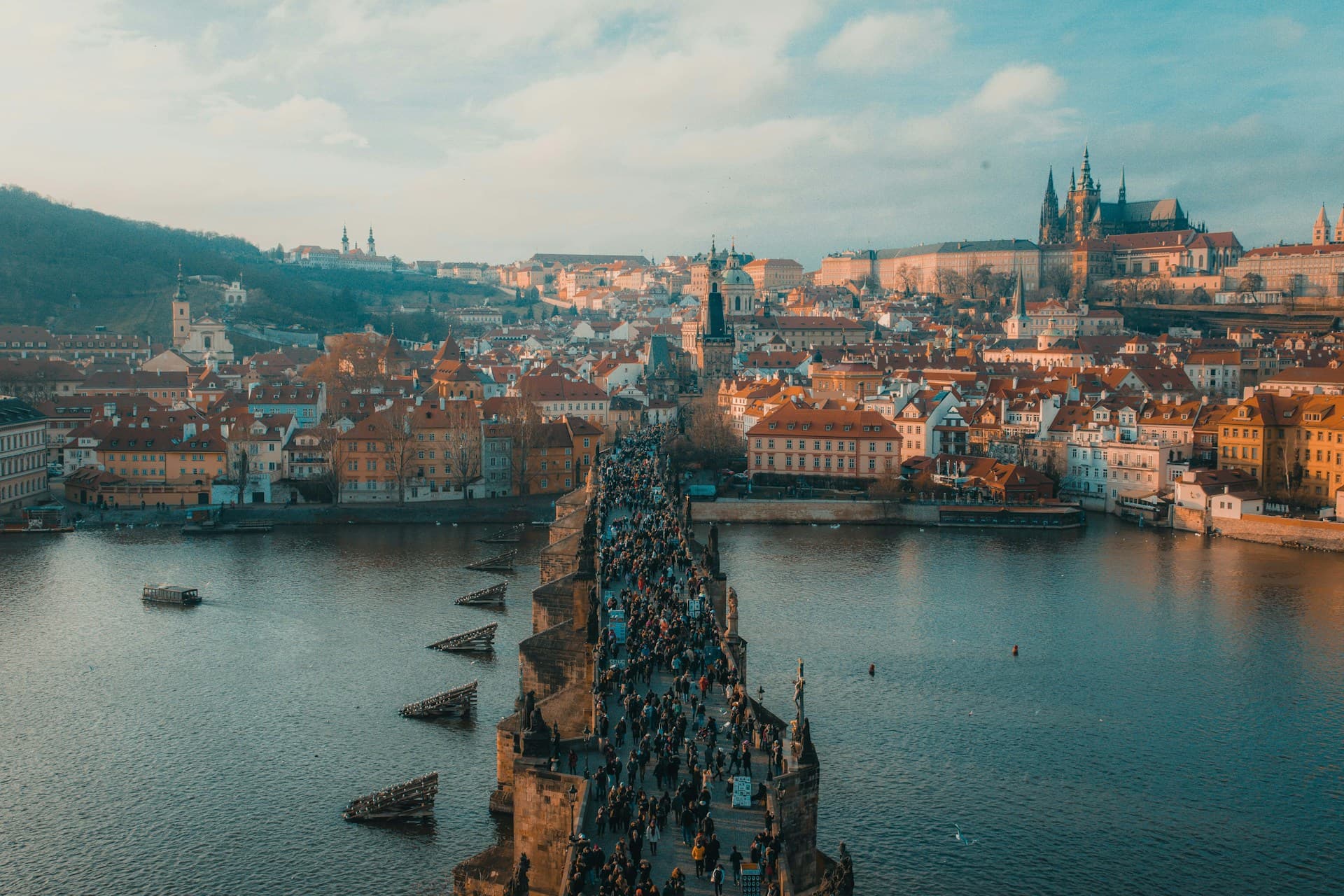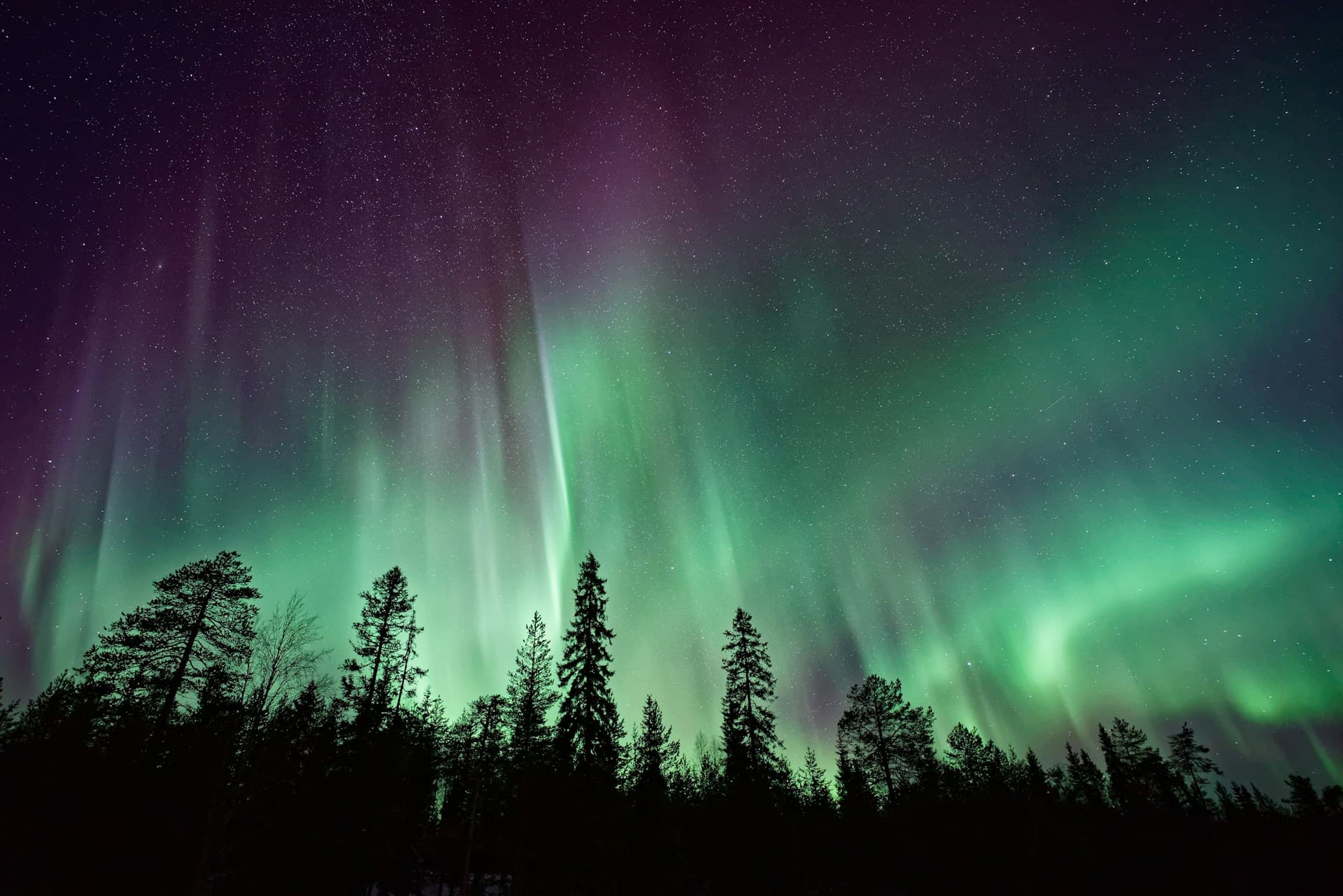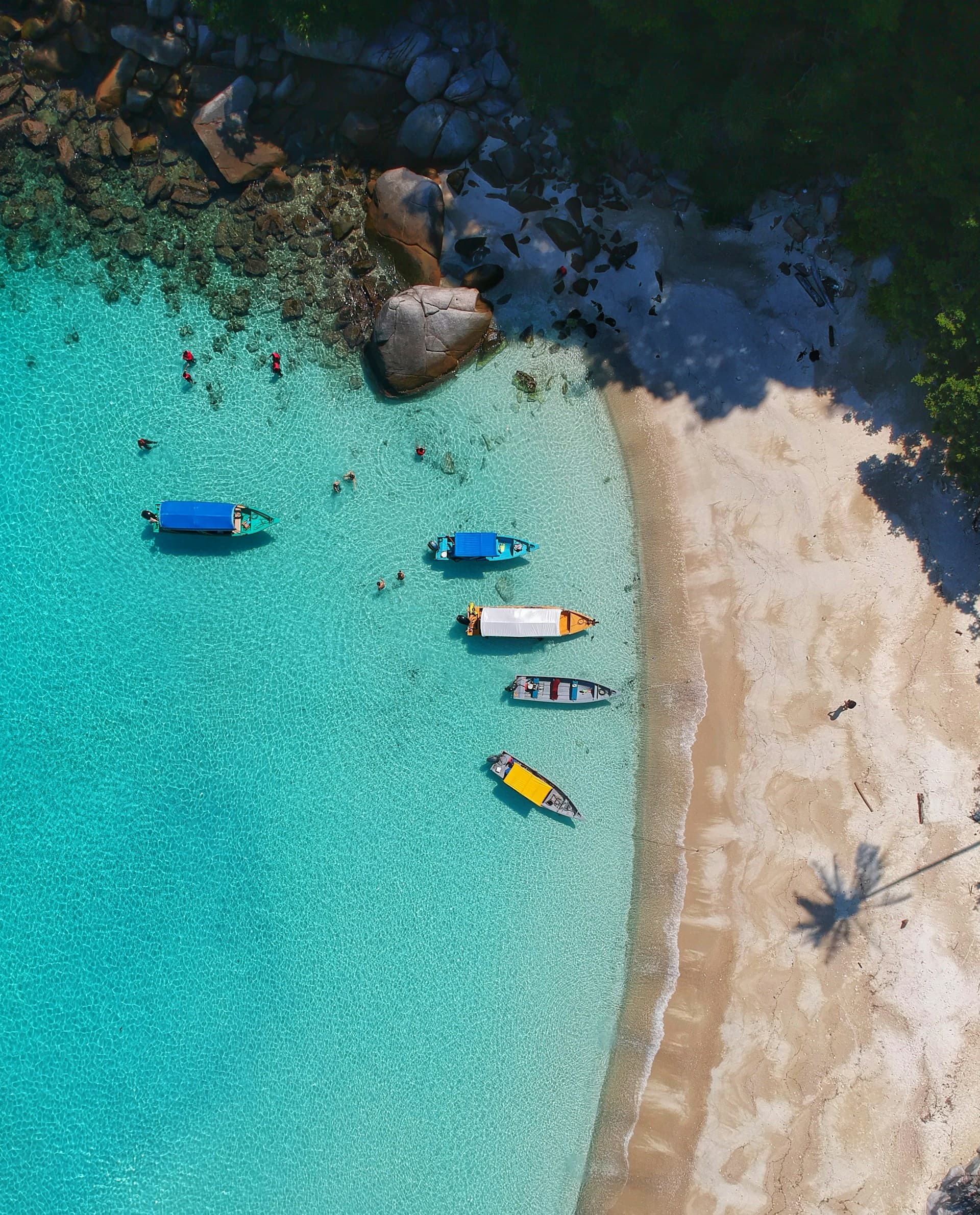

Some places are beautiful in person but frustratingly difficult to photograph. Others seem to compose themselves — every angle yields an image worth keeping, every shift in light reveals a new dimension. The destinations on this list belong to the second category. They are places where the landscape, architecture, and light conspire to create images that transcend the snapshot.
For each destination, you will find specific photo locations, the best time of day for each shot, golden hour timing, and practical tips for avoiding crowds and capturing the scene at its best.
1. Santorini, Greece
Santorini's combination of whitewashed buildings, blue-domed churches, and the volcanic caldera creates one of the most photographed landscapes on earth. The light is Mediterranean perfection — warm, golden, and reflected by the white architecture in ways that flatter every camera.
Best Photo Spots
- Oia sunset viewpoint: The classic shot. Position yourself near the ruins of the Byzantine castle 60-90 minutes before sunset for the best vantage. Face west toward the windmill and the village cascading below.
- Three Blue Domes (Ekklisia Theoskepasti): The most iconic image of Santorini. Located in Oia, below the main path. Best shot from the viewing platform looking south, with the caldera behind the domes.
- Fira to Oia hiking path: The 10-km trail offers constantly changing perspectives on the caldera, with Imerovigli's Skaros Rock providing a dramatic foreground.
Timing
- Golden hour: Sunset is the main event (7:30-8:30 PM in summer). But sunrise (6:00-6:30 AM in summer) at Oia is equally beautiful and nearly deserted.
- Blue hour: 20-40 minutes after sunset, the sky turns deep blue while the village lights glow warm. This is when the best images happen.
- Avoid: 10 AM to 4 PM. The midday light is harsh and crowds peak when cruise ships dock.
Camera Tips
Use a wide-angle lens (16-35mm) for village panoramas. A telephoto (70-200mm) compresses the blue domes against the caldera for the classic postcard shot. Shoot RAW — the dynamic range between the bright white buildings and deep blue sky demands it.
2. Lofoten Islands, Norway
Lofoten is a photographer's paradise in every season. Dramatic granite peaks plunge into fjords, fishing villages of red wooden cabins (rorbuer) cluster along the shore, and the light — whether midnight sun or northern lights — is extraordinary.
Best Photo Spots
- Reine from Reinebringen: A steep 1.5-hour hike rewards with the quintessential Lofoten view — red cabins, turquoise fjord, and jagged peaks. The Sherpa steps have made this safer but it remains steep.
- Hamnoy Bridge: The red fishing cabins of Hamnoy with the mountains behind. Best from the bridge connecting Hamnoy and Reine.
- Uttakleiv Beach: A crescent of white sand framed by mountains. The Dragon's Eye rock formation in the foreground makes a striking composition. Excellent for northern lights in winter.
- Kvalvika Beach: A hidden beach reached by a 45-minute hike. Photographs beautifully from the ridge above, looking down at turquoise water between dark mountains.
Timing
- Midnight sun: Late May through mid-July. The sun circles the horizon without setting, creating extended golden hour that lasts all night.
- Northern lights: September through March. Peak activity in October-November and February-March.
- Best months for photography: February-March (northern lights, snow, returning daylight) and June-July (midnight sun, green mountains).
- Winter blue hour: December-January, the sun barely rises, but the two hours of twilight (11 AM-1 PM) produce ethereal blue and pink light.
Camera Tips
A sturdy tripod is essential — wind in Lofoten can be ferocious. For northern lights, use a fast wide-angle lens (f/2.8 or faster), ISO 1600-6400, and 10-25 second exposures. Bring extra batteries — cold drains them rapidly.
3. Cappadocia, Turkey
The fairy chimney rock formations of Cappadocia are surreal enough on their own. Add hundreds of hot air balloons rising at dawn, cave hotels carved into the rock, and a palette of earth tones that shift with every change in light, and you have one of the most photogenic places on earth.
Best Photo Spots
- Sunrise balloon launch from Goreme viewpoint: Several terraces above Goreme offer panoramic views of balloons rising over the fairy chimneys. Scout your spot the evening before and arrive 30 minutes before the balloons launch (approximately 5:00-5:30 AM in summer).
- Love Valley: Tall, narrow fairy chimneys with a valley perspective. Best in late afternoon light.
- Red Valley/Rose Valley: The rock turns vivid shades of pink and orange at sunset. The trail between the two valleys offers continuous photo opportunities.
- Uchisar Castle viewpoint: The highest point in Cappadocia, with 360-degree views. Excellent for both sunrise and sunset.
Timing
- Balloon season: April through November. Balloons launch at sunrise daily (weather permitting).
- Golden hour: Dawn is everything here. Arrive at your viewpoint 30-45 minutes before sunrise. Sunset in Red Valley is the secondary highlight.
- Best months: April-May and September-October for moderate temperatures and consistent balloon flights.
- Avoid: Midday is flat and hot. Use the middle of the day for cave and underground city visits.
Camera Tips
A telephoto lens (100-400mm) is essential for isolating individual balloons against the landscape. Wide-angle captures the full spectacle. If shooting from a balloon (highly recommended, approximately 200-300 EUR per flight), use a fast shutter speed (1/500+) and keep your lens inside the basket to avoid the burner flame in your frame.
4. Zhangjiajie National Forest Park, China
The towering sandstone pillars of Zhangjiajie inspired the floating mountains in the film Avatar — and in person, they are even more otherworldly. Thousands of narrow stone columns, some over 200 meters tall, emerge from subtropical forest into mist and cloud.
Best Photo Spots
- Avatar Hallelujah Mountain: The renamed pillar (formerly Southern Sky Column) that inspired the film. Best viewed from the Yuanjiajie scenic area.
- Tianzi Mountain: The highest point in the park, with panoramic views over a sea of pillars. Cable car access.
- Golden Whip Stream: A valley-floor walk with upward views of the pillars. The reflections in the stream add a mirror dimension on still mornings.
- Zhangjiajie Glass Bridge: At 430 meters long and 300 meters high, the transparent bridge offers vertigo-inducing perspectives. Good for dramatic selfies and wide-angle shots looking down the canyon.
Timing
- Misty mornings: The fog and low clouds that swirl around the pillars are what make Zhangjiajie magical. Arrive at the park entrance by 7 AM and head directly to Yuanjiajie.
- Best months: April-May (spring greenery, frequent mist) and October-November (autumn colors). Summer is hot, humid, and crowded. Winter can be beautiful with frost and snow.
- Avoid: Chinese national holidays (especially October Golden Week and Chinese New Year). The park becomes extremely crowded.
Camera Tips
A polarizing filter cuts haze and deepens the greens. Telephoto lens (70-200mm) isolates individual pillars from the mass. Shoot in mist — clear days are less dramatic. RAW format is essential for recovering detail in high-contrast fog scenes.
5. Antelope Canyon, Arizona, USA
A slot canyon carved by flash floods into Navajo sandstone, creating narrow passages where light beams pierce through openings above and illuminate sculpted walls in shades of orange, red, and purple. It is one of the most photographed natural wonders in the United States.
Best Photo Spots
- Upper Antelope Canyon: The more famous of the two sections. Light beams reach the floor between late March and early October, with the most dramatic beams from 11:00 AM to 1:30 PM in summer.
- Lower Antelope Canyon: Requires climbing ladders and squeezing through narrows. Equally photogenic, less crowded, and better for photography in the morning.
- Canyon X: A less-visited section that some photographers prefer for its solitude.
Timing
- Light beams: Upper Canyon light beams are best from late March through early October, peaking around noon. Book a photography-specific tour (2 hours, approximately 100-150 USD) rather than the standard tour (1 hour) for enough time.
- Best months: June-July for the most intense midday light beams.
- Avoid: The standard tour groups move quickly and leave little time for composition. Always book the photography tour. Tripods are only allowed on photography tours.
Camera Tips
Set white balance manually or shoot RAW — auto white balance will try to neutralize the warm tones that make the canyon magical. Bracket exposures (the dynamic range is extreme). A wide-angle lens captures the walls rising above you. Apertures of f/8-f/11 deliver sharpness across the frame.
6. Hallstatt, Austria
A tiny lakeside village backed by dramatic alpine peaks, Hallstatt looks like a fairy tale rendered in pastel paint. The reflection of the village in the still morning lake is one of Europe's most iconic photographic compositions.
Best Photo Spots
- Classic viewpoint (Gosaumuehlstrasse): The postcard view of Hallstatt from the northern shore. The village, church spire, lake, and mountains compose themselves perfectly.
- Hallstatt Skywalk: A viewing platform 350 meters above the village at the salt mine. Dramatic perspective looking down on the lake and rooftops.
- Lake shore at dawn: Rent a row boat or walk along the Seestrasse for reflections before the wind picks up (usually before 8 AM).
Timing
- Dawn reflections: The lake is calmest before 8 AM. Set up at the classic viewpoint before sunrise for mirror reflections.
- Best months: September-October (autumn colors reflecting in the lake) and December-January (snow-covered rooftops, Christmas market lights).
- Avoid: Midday in summer (June-August) when tour buses arrive en masse. Visit early morning or late afternoon.
Camera Tips
A mid-range zoom (24-70mm) covers most compositions. Use a tripod for dawn reflections and long exposures that smooth the lake surface. A neutral density filter enables 1-2 second exposures even in morning light.
7. Petra, Jordan
The Treasury (Al-Khazneh) — a massive facade carved directly into rose-red sandstone cliffs — is one of the most dramatic reveals in travel. You walk through a narrow canyon (the Siq) for 1.2 kilometers, and then the canyon opens to reveal the Treasury glowing in warm light.
Best Photo Spots
- The Siq entrance to the Treasury: Walk through the narrow canyon and capture the first glimpse of the Treasury framed by the Siq walls. Best in morning light when the sun illuminates the facade (8:00-10:00 AM).
- The Treasury from above: A guided hike to the viewpoint above the Treasury (ask local Bedouin guides, approximately 30-50 JOD) provides a dramatic bird's-eye perspective.
- The Monastery (Ad Deir): A steep 800-step climb to an even larger carved facade. Less crowded than the Treasury and stunning in late afternoon light.
- Petra by Night: Candles illuminate the path to the Treasury on Monday, Wednesday, and Thursday evenings. 17 JOD. Tripod essential.
Timing
- Morning light: The Treasury is directly lit from 8:00-10:00 AM. By noon, it falls into shadow.
- Afternoon: The Monastery catches afternoon sun beautifully from 2:00-4:00 PM.
- Best months: March-May and October-November. Summer exceeds 40C. Winter is cold but uncrowded with dramatic skies.
Camera Tips
Wide-angle for the Siq reveal (the narrow walls demand it). Telephoto for detail shots of the carved facades. For Petra by Night, use a tripod, ISO 3200-6400, and exposures of 1-4 seconds. The candlelight is dim — fast lenses help.
8. Bagan, Myanmar
Over 2,000 ancient Buddhist temples and pagodas spread across a dusty plain alongside the Irrawaddy River. At sunrise, hot air balloons float above the temples while mist rises from the river — a scene that looks like a painting from another era.
Best Photo Spots
- Sunrise over the temple plain: The most iconic view. Several temples once allowed climbing, but most are now restricted for preservation. Viewing mounds and the Nan Myint viewing tower provide legal elevated perspectives.
- Sulamani Temple: One of the most photogenic temples, with excellent detail for close-up architectural shots.
- Along the Irrawaddy: The river bank at sunset with temple silhouettes is hauntingly beautiful.
- From a balloon: Balloons over Bagan (October-March) cost approximately 350-400 USD per person but provide a perspective unavailable from the ground.
Timing
- Sunrise: Arrive at your viewpoint 30 minutes before sunrise. The mist and balloons (in season) create the magic.
- Sunset: The temples silhouetted against the western sky are equally powerful, with fewer crowds.
- Best months: November-February for cool, dry weather and balloon flights. March-May is hot. June-October is the rainy season (fewer tourists, dramatic storm light).
Camera Tips
Telephoto lens (200mm+) compresses the temples and balloons into layered compositions. Wide-angle for panoramas from elevated positions. A polarizing filter cuts haze in the morning. Shoot at dawn and dusk — the temples photograph poorly in harsh midday light.
9. Patagonia (Torres del Paine), Chile
The granite towers, glaciers, and windswept grasslands of Torres del Paine create some of the most dramatic landscape photography on earth. The light changes constantly as Patagonian weather rolls through — one hour of patience can yield a dozen different images.
Best Photo Spots
- Base of the Torres: After a 4-5 hour hike, the three granite towers reflected in Laguna Torres at sunrise. This requires camping or a pre-dawn start from the refugio.
- Lake Pehoe: The turquoise lake with the Cuernos del Paine (horns) behind. A classic wide-angle composition available from the road.
- Grey Glacier viewpoint: The fractured blue ice of Grey Glacier with surrounding peaks.
- Guanaco on the steppe: The grasslands outside the park are home to guanacos (wild relatives of llamas) that photograph beautifully against the mountain backdrop.
Timing
- Sunrise at the Torres: Requires overnight camping at the base or a 2 AM start from Refugio Chileno. The towers glow orange-pink for approximately 10 minutes when conditions align.
- Best months: November-March (Southern Hemisphere summer). December-February is warmest but windiest.
- Wind: Patagonian wind is relentless and brutal. Secure your tripod with a hanging weight. Protect your gear from dust.
Camera Tips
A sturdy tripod rated for high winds is non-negotiable. Bring a rain cover for your camera — weather changes in minutes. Wide-angle for the Torres reflected in the lake. Telephoto for compressing the layers of peaks, water, and sky.
10. Varanasi, India
Varanasi is not conventionally beautiful, but it is one of the most photogenic cities on earth in terms of visual richness, human drama, and atmospheric light. The ghats along the Ganges are a never-ending stage of rituals, colors, and humanity.
Best Photo Spots
- Dawn boat ride: Hire a boat at 5:30 AM and drift along the ghats as the city wakes up. Pilgrims bathing, sadhus meditating, laundry being beaten — the entire canvas of Indian life on the riverbank.
- Dashashwamedh Ghat evening aarti: The fire ceremony creates extraordinary images — flames, smoke, incense, and the faces of thousands of spectators.
- Manikarnika Ghat: The cremation ghat. Photography is strictly prohibited at the burning areas. Respect this absolutely.
- Narrow lanes of the old city: The alleys behind the ghats are a photographer's labyrinth — crumbling facades, flower garlands, sadhus, and children.
Timing
- Dawn: 5:30-7:30 AM is the golden window. The light over the river is soft and warm. The activity on the ghats is at its peak.
- Evening aarti: Begins at sunset (5:30-6:00 PM in winter, 6:30-7:00 PM in summer). Arrive early for a position.
- Best months: October-March for comfortable temperatures and clear skies. Monsoon (July-September) has dramatic skies but flooding can close ghats.
Camera Tips
A fast portrait lens (50mm f/1.8 or 85mm f/1.4) is ideal for the human element. Long telephoto from a boat captures ghats without intrusion. Always ask before photographing individuals up close — a smile and gesture goes a long way.
11. Salar de Uyuni, Bolivia
The world's largest salt flat (10,582 square kilometers) creates a natural mirror during the rainy season when a thin layer of water covers the surface, reflecting the sky in perfect symmetry. The result is otherworldly — you appear to float in the sky.
Best Photo Spots
- The mirror effect: During the wet season (December-April), the flooded salt flat reflects the sky with perfect clarity. Position subjects on the salt flat for impossible-looking perspective shots.
- Isla Incahuasi: An island of giant cacti in the middle of the salt flat. The contrast of green cacti against white salt against blue sky is striking.
- Hexagonal patterns: During the dry season (May-November), the salt crystallizes into geometric patterns that extend to the horizon.
- Star photography: With virtually zero light pollution, the Milky Way above the salt flat is one of the best astrophotography locations on earth.
Timing
- Mirror effect: Best December through March when rain floods the flat with 1-5 cm of water.
- Dry season: May through November for the geometric salt patterns and star photography.
- Golden hour: Both sunrise and sunset are extraordinary. Night for astrophotography.
Camera Tips
The white salt confuses camera meters — expect 1-2 stops of overexposure compensation. A polarizing filter is essential for the reflections. For night photography, a wide-angle fast lens and sturdy tripod are required. Protect your camera from salt — it is corrosive.
12-15. Additional Photogenic Destinations
12. Faroe Islands, Denmark
Dramatic sea cliffs, grass-roofed villages, and waterfalls that cascade directly into the ocean. The Mulafossur Waterfall on Vagar island — dropping from a cliff edge into the sea — is one of the most dramatic landscape shots in the North Atlantic. Best in May-August for long daylight hours.
13. Wadi Rum, Jordan
A vast desert of red sand and towering sandstone formations. Lawrence of Arabia filmed here, and the landscape has not changed. Best at sunrise and sunset when the rock glows crimson. Camp overnight for Milky Way photography above the desert.
14. Angkor Wat, Cambodia
The silhouette of Angkor Wat's five towers reflected in the moat at sunrise is one of the most reproduced images in travel photography. Arrive at 5 AM and position yourself at the left reflecting pool. Best November-February.
15. Cinque Terre, Italy
The five colorful villages clinging to the Italian Riviera cliffs are endlessly photogenic. Each village offers different compositions — Manarola at blue hour (the famous multi-colored buildings above the harbor) is the standout. Best in spring and autumn when light is warm and crowds are manageable.
General Travel Photography Tips
- Scout locations the day before: Find your compositions and mark them on a map. Know exactly where to be at sunrise.
- Arrive early, stay late: The best light happens when most tourists are eating breakfast or dinner.
- Shoot the shoulder seasons: Better light, fewer crowds, and more authentic scenes.
- Prioritize golden hour: The hour after sunrise and before sunset transforms any scene. Plan your days around these windows.
- People make places: Landscapes are beautiful, but a local going about daily life adds story to any image.
TripGenie builds itineraries with photography in mind — we can optimize your schedule around golden hour, suggest less-crowded alternatives to famous viewpoints, and help you time your visit for the best seasonal conditions at every destination.
Topics

Written by
TripGenie Team
The TripGenie team is passionate about making travel planning effortless with AI. We combine travel expertise with cutting-edge technology to help you explore the world.
@tripgenieGet Travel Tips Delivered Weekly
Get our best travel tips, destination guides, and exclusive deals delivered straight to your inbox every week.
No spam, ever. Unsubscribe anytime.