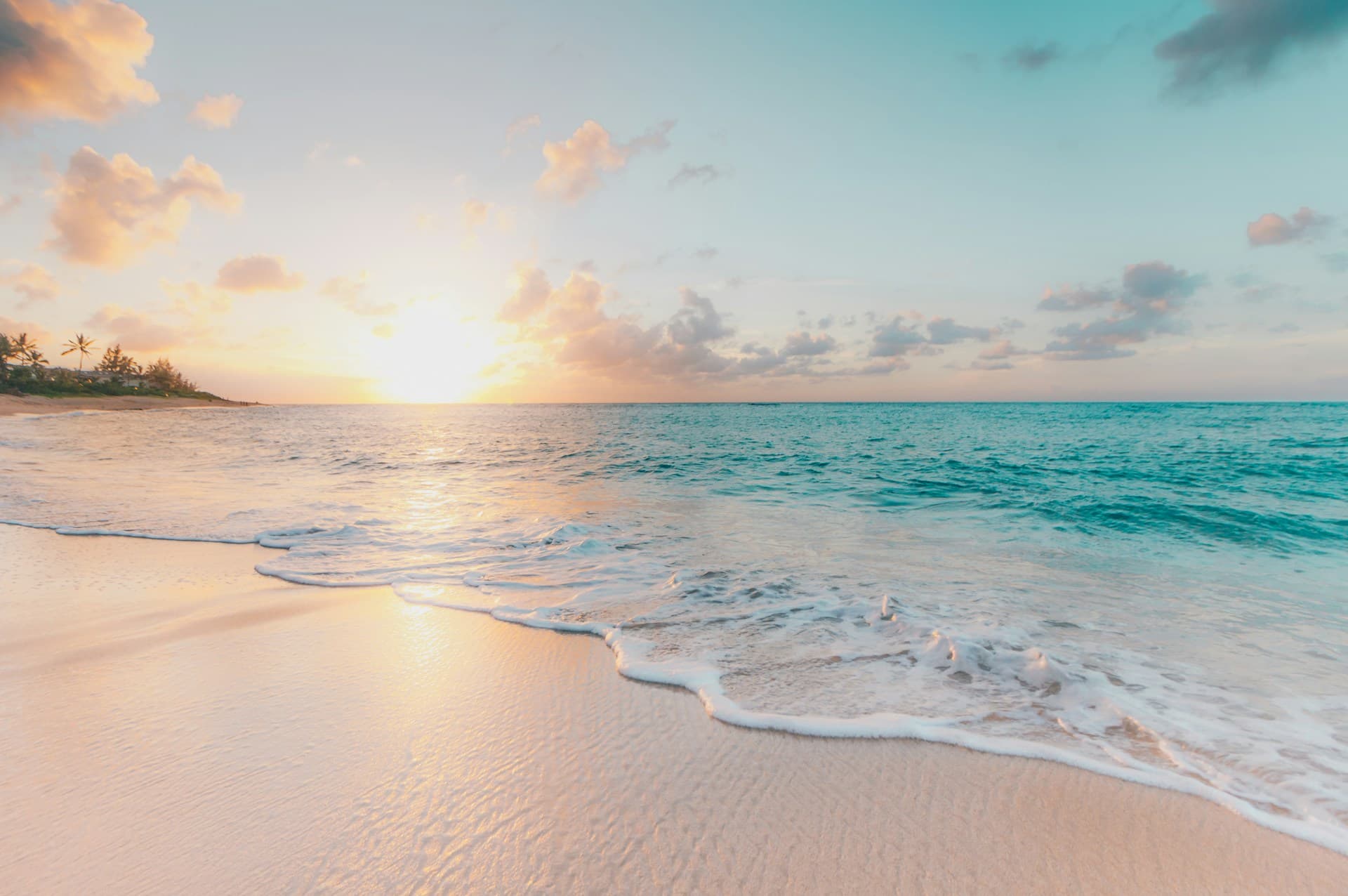

Surfing is one of those rare pursuits where the location defines the experience as much as the activity itself. A beginner catching whitewater in warm, knee-deep Hawaiian surf has an entirely different experience from an advanced surfer dropping into a cold, heavy reef break in France. Both are surfing, but the destinations shape every aspect — the wave, the culture, the food, the after-surf ritual, and the stories you take home.
This guide organizes the world's best surf destinations by ability level, with the practical details you need: wave type, best season, water temperature, board rental costs, and recommendations for surf schools and local culture.
Beginner Destinations
The best beginner surf destinations share a few qualities: warm water, sandy bottoms (falls do not hurt), gentle, slow-breaking waves, and a supportive surf culture with quality instruction available. These are places where you can go from zero to riding green waves in a week.
1. Waikiki, Oahu, Hawaii
Waikiki is where modern surfing was born, and it remains one of the best places on earth to learn. The waves break slowly over a sandy reef bottom far from shore, giving beginners long, gentle rides on soft swells that rarely exceed waist to chest height.
- Wave type: Mellow, long-period reef break. Slow, rolling waves that are easy to catch and ride.
- Best season: Year-round. Summer (May-September) has the smallest, most learner-friendly surf on the south shore. Winter swells hit the south shore less frequently.
- Water temperature: 24-27C year-round. No wetsuit needed — board shorts or a rash guard is sufficient.
- Board rental: 20-40 USD/day for a soft-top longboard from beachside vendors.
- Surf school recommendations: Hans Hedemann Surf School (based at the Park Shore Waikiki) has been teaching beginners since 1993. Expect 80-150 USD for a 2-hour group lesson. Ty Gurney Surf School is also excellent and slightly more affordable.
Beyond the surf: Duke's Waikiki bar and restaurant on the beach serves as the unofficial after-surf gathering spot. The entire North Shore (30-minute drive) offers world-class wave watching in winter. Shave ice at Matsumoto's (in Haleiwa) is a surf-culture essential.
What to know: Waikiki is crowded — learn wave etiquette quickly. The locals are generally friendly to beginners who stay in the designated learner zones and do not snake waves. The reef is shallow in places; shuffle your feet when walking to avoid stepping on sea urchins.
2. Taghazout, Morocco
A former fishing village on Morocco's Atlantic coast that has evolved into one of the world's best surf-trip destinations for beginners and intermediates. The combination of consistent waves, warm-enough water, affordable living, and Moroccan culture creates an addictive surf experience.
- Wave type: Beach breaks for beginners, point breaks for improving surfers. The beach break in the town is gentle and sandy. Anchor Point (nearby) is a world-class right-hand point break for when you progress.
- Best season: October through March for the most consistent swell. Summer has smaller, cleaner waves.
- Water temperature: 17-22C. A 3/2mm wetsuit is needed October-April. Summer shorty or spring suit.
- Board rental: 10-15 USD/day. Surf camp packages (accommodation, lessons, meals, transport to breaks) run 250-500 EUR/week — extraordinary value.
- Surf school recommendations: Surf Berbere is the most established, with dedicated beginner programs. Surf Maroc combines surfing with yoga retreats. Hash Point Surf Camp offers budget-friendly packages.
Beyond the surf: Moroccan food is exceptional — tagines, fresh fish, mint tea, and msemen (flaky flatbread) from street vendors. Day trips to Essaouira or Paradise Valley (a natural swimming hole in the mountains) break up surf-heavy weeks. The souks of Agadir (30 minutes south) offer shopping.
What to know: Morocco is a Muslim country. Outside the surf-camp bubble, dress modestly. Alcohol is available at licensed restaurants and hotels but is not part of public culture. Friday is the holy day — some businesses close.
3. Weligama Bay, Sri Lanka
A wide, sandy-bottomed bay on Sri Lanka's south coast with gentle rollers that break for hundreds of meters. The warm water, affordable prices, and mellow atmosphere make Weligama one of the best beginner surf destinations in Asia.
- Wave type: Soft, rolling beach break. Waves break far from shore and carry riders on long, forgiving whitewater.
- Best season: November through April (southwest monsoon season brings waves to the south coast). May-October is flat on the south coast but surfable on the east coast (Arugam Bay).
- Water temperature: 28-30C year-round. No wetsuit needed.
- Board rental: 5-10 USD/day. Surf lessons 15-25 USD for a 2-hour group session.
- Surf school recommendations: Surf South Sri Lanka and Ceylon Sliders are well-regarded schools with patient instructors and quality equipment.
Beyond the surf: Sri Lanka's south coast is packed with attractions — the hilltop fort of Galle (30 minutes west), whale watching from Mirissa (15 minutes east), and the Yala National Park safari (2 hours east). The food — rice and curry, hoppers, kottu roti — is spectacular and remarkably cheap.
What to know: Tuk-tuk drivers will quote inflated prices — negotiate or use the PickMe app. Currents can be stronger than they appear — listen to local surfers and instructors.
4. Kuta Beach, Bali, Indonesia
Bali's original surf beach remains one of the best places to learn in the world. Wide, sandy, and lined with surf schools, Kuta catches every swell and breaks in gentle, predictable whitewater that is ideal for first-timers.
- Wave type: Sandy beach break. Multiple peaks along the beach mean plenty of space.
- Best season: Dry season (April-October) for the most consistent surf. Wet season still has rideable waves.
- Water temperature: 27-29C year-round. Rash guard only.
- Board rental: 5-10 USD/day. Lessons 15-30 USD for 2 hours.
- Surf school recommendations: Odysseys Surf School (Kuta) and Rip Curl School of Surf (Legian) are the most professional operations with quality boards and trained instructors.
Beyond the surf: Bali's cultural depth extends far beyond the beach. Visit Ubud (rice terraces, temples, monkey forest), Uluwatu Temple at sunset, and the Seminyak beach club scene for the social side. Bali's digital nomad community means excellent coffee shops and co-working spaces.
What to know: Kuta is Bali's most touristy and commercial area. Once you can surf, move on to Canggu (intermediate) or the Bukit Peninsula (advanced) for a more authentic Bali surf experience.
Intermediate Destinations
Intermediate surfers can handle green (unbroken) waves, can turn and generate speed, and are ready for reef breaks, point breaks, and more powerful surf. These destinations reward developing skills with world-class waves.
5. Canggu, Bali, Indonesia
The epicenter of Bali's modern surf culture. Canggu offers a variety of breaks for improving surfers — from the mellow inside of Batu Bolong to the punchy peaks of Echo Beach and the hollow barrels of Berawa when it is on.
- Wave type: Multiple beach and reef breaks within walking distance. Batu Bolong is a mellow right-hander. Echo Beach has more powerful, faster waves. Pererenan offers a reef break with more size.
- Best season: May through September (dry season, consistent southwest swell).
- Water temperature: 27-29C year-round.
- Board rental: 5-10 USD/day. A custom board shaped by a local shaper costs 250-400 USD.
- Surf school recommendations: At the intermediate level, hiring a surf guide (30-50 USD/session) rather than a school is more valuable. They will take you to the right break for your level and the day's conditions.
Beyond the surf: Canggu has become Bali's most vibrant social hub. Deus Ex Machina (motorcycle and surf lifestyle store with a restaurant and gallery), Old Man's (sunset beers overlooking the beach), and the Lawn (pool club) define the after-surf scene. Excellent yoga studios, coworking spaces, and restaurants.
What to know: Canggu's breaks are more serious than Kuta. Rocks and reef are present at many spots. Currents can be strong, especially at Echo Beach. Check conditions before paddling out.
6. Hossegor, France
Europe's best beach break. The sandbars along the French Atlantic coast create hollow, powerful waves that rival many reef breaks for intensity. Hossegor hosts WSL Championship Tour events and draws surfers from across Europe.
- Wave type: Beach break over shifting sandbars. The waves at La Graviere, Les Culs Nus, and La Nord range from fun peaks to heavy, hollow barrels.
- Best season: September through November for the best combination of swell, water temperature, and weather. Spring (March-May) also has consistent surf.
- Water temperature: 16-22C. A 3/2mm wetsuit in summer; 4/3mm with boots in winter.
- Board rental: 20-30 EUR/day. Many surf shops in town. Custom shapers along the coast.
- Surf school recommendations: Tao Surfari and Hossegor Surf School for intermediate progression sessions. Focus on reading the sandbar and positioning.
Beyond the surf: French surf culture is stylish and food-oriented. After-surf drinks at Dick's Sand Bar, pintxos in the nearby Basque towns of Biarritz and Saint-Jean-de-Luz, and the markets of Capbreton for fresh seafood. The French Basque Country (20 minutes south) offers spectacular hiking, Bayonne ham, and Espelette pepper.
What to know: Hossegor's waves are powerful and the sandbars shift constantly. What was a gentle peak yesterday can be a closeout shorebreak today. Check the forecast and local knowledge before choosing your spot.
7. Ericeira, Portugal
Europe's first World Surfing Reserve (joining Malibu and Huanchaco), Ericeira is a charming fishing village 35 minutes north of Lisbon with over a dozen surf breaks along a few kilometers of coastline. There is a wave for every level, every day.
- Wave type: Beach breaks, reef breaks, and point breaks. Foz do Lizandro is gentle for improving surfers. Ribeira d'Ilhas is a world-class right-hand point break. Coxos is a heavy, expert-only wave.
- Best season: October through April for the largest, most consistent swell. Summer has smaller, cleaner surf ideal for intermediates.
- Water temperature: 15-20C. Wetsuit required year-round (3/2mm summer, 4/3mm winter with boots).
- Board rental: 15-25 EUR/day.
- Surf school recommendations: Ericeira Surf & Yoga and Rapture Surfcamps offer intermediate coaching. Surf guides are available for 40-60 EUR per session.
Beyond the surf: Ericeira's old town is a warren of narrow streets, seafood restaurants, and bars overlooking the ocean. The traditional fish restaurants along the harbor serve some of the best seafood in Portugal. Lisbon is a 35-minute drive for a day of city exploration.
What to know: Some of Ericeira's breaks are localized. Show respect, wait your turn, and do not paddle to the peak on your first session at a new spot. Coxos is for experts only — the consequences of falling on the reef are severe.
8. Tamarindo, Costa Rica
A purpose-built surf town on Costa Rica's Pacific coast with warm water, consistent waves, and a lively social scene. Tamarindo's beach break is perfect for intermediates, and a dozen more advanced breaks are within a short drive.
- Wave type: Beach break in town (multiple peaks, sand bottom). Playa Grande (a short drive north) has a more powerful beach break. Witch's Rock and Ollie's Point (boat access from Tamarindo) are world-class reef breaks for advancing intermediates.
- Best season: December through April (dry season, offshore winds, consistent swell). Rainy season (May-November) still has surf but conditions are less reliable.
- Water temperature: 27-29C year-round. Board shorts or a rash guard.
- Board rental: 10-20 USD/day. Boat trips to Witch's Rock: 350-450 USD for a group (up to 4 surfers).
- Surf school recommendations: Tamarindo Surf School for intermediate coaching. Iguana Surf offers multi-day progression programs.
Beyond the surf: Tamarindo has a strong restaurant and nightlife scene for a small town. Volcano hikes (Arenal and Rincon de la Vieja are half-day drives), wildlife tours (sea turtles nest at Playa Grande October-March), and zip-lining through the canopy break up surf-heavy weeks.
Advanced Destinations
These waves demand respect, experience, and often courage. Sharp reefs, powerful swells, cold water, and heavy consequences define the advanced surf experience. You need to be a strong, confident surfer with experience in hollow waves.
9. Pipeline, Oahu, Hawaii
The most famous wave in the world. Banzai Pipeline breaks over a shallow reef with terrifying power, producing hollow barrels that have defined surfing's image for decades. The wave is fast, shallow, and unforgiving.
- Wave type: Hollow, left-breaking reef break (Backdoor Pipeline is the right). Breaks over a reef that is barely a meter below the surface at low tide.
- Best season: November through February for the biggest, most consistent swells. The North Shore lights up with contest season.
- Water temperature: 24-27C. No wetsuit needed, though many surfers wear a vest for reef rash protection.
- Board rental: Expert surfers bring their own. Custom Pipeline boards (short, pulled-in, thick rails) are essential for the wave. Rental is not practical here.
- What you need: This is not a wave to casually paddle into. You need extensive experience in hollow waves, confidence in heavy conditions, and an understanding of the local hierarchy. First-time Pipeline surfers should go with someone who knows the break.
Beyond the surf: The North Shore is a seven-mile stretch of world-class waves — Sunset Beach, Rocky Point, Off the Wall, and Haleiwa. The surf culture here is intense and real. Watch the WSL Championship Tour events (November-December) from the beach for free.
What to know: Pipeline is one of the most localized waves in the world. Respect the lineup. Wait your turn. Do not paddle for waves that a local is positioned for. Helmet and reef booties are increasingly common and smart.
10. Mentawai Islands, Indonesia
A chain of islands 150 km off the coast of Sumatra with dozens of world-class reef breaks, accessible only by boat or charter flight. The Mentawais offer the purest surf-trip experience on earth — remote, uncrowded (relatively), and blessed with an almost absurd density of perfect waves.
- Wave type: Everything. Hollow lefts (Lance's Left/HT's), long rights (Macaronis — possibly the most fun wave on earth), and power waves (Thunders, Rifles). Most break over shallow reef.
- Best season: March through November. Peak season is April-October for the most consistent swell and favorable winds.
- Water temperature: 28-30C year-round. Board shorts only.
- Board rental: Not available. Bring your own quiver (at least 3 boards for different conditions).
- Access: Liveaboard boat charters are the primary way to access the Mentawais. Budget 2,000-5,000 USD for a 10-14 day trip (all-inclusive). Land camps on the islands run 150-400 USD/night.
Beyond the surf: There is not much "beyond the surf" in the Mentawais — that is the point. Fishing, snorkeling, reading, and watching the sunset from the boat deck. The indigenous Mentawai people have a fascinating traditional culture, though interaction is limited on surf charters.
What to know: The reef is sharp and shallow. Booties, a reef-safe first-aid kit, and travel insurance with medical evacuation coverage are essential. The nearest hospital is in Padang (mainland Sumatra) — hours away by boat.
11. Nazare, Portugal
Nazare produces the biggest waves ever surfed. The underwater Nazare Canyon amplifies Atlantic swells into 20-30 meter (60-100 foot) waves that break with terrifying force. This is not recreational surfing — it is extreme sport at its most dramatic.
- Wave type: Massive, powerful big wave break. The wave breaks off the Praia do Norte headland, and the famous lighthouse viewpoint provides an extraordinary spectacle.
- Best season: October through March for the biggest swells. The record-breaking waves typically arrive November-February.
- Water temperature: 14-18C. Full wetsuit, boots, gloves, and often an impact vest and helmet.
- Board rental: Not applicable. Big-wave surfers bring custom 8-10 foot gun boards and are towed into waves by jet skis.
- What you need: Big-wave surfing at Nazare is an elite discipline requiring years of preparation, a safety team, jet ski support, and the mental fortitude to drop into waves the size of buildings.
For spectators: Nazare is one of the world's great surf-watching experiences. The fort above Praia do Norte provides a free, dramatic viewpoint. On big swell days, thousands of spectators gather. Check the surf forecast (Surfline, MagicSeaweed) and head to Nazare when a large swell is predicted. The town itself is a charming Portuguese fishing village with excellent seafood.
12. Jeffreys Bay, South Africa
One of the longest, most perfect right-hand point breaks in the world. On a good day, J-Bay offers rides of 300 meters or more, peeling along the reef with mechanical precision. Supertubes — the most famous section — is a fast, hollow barrel.
- Wave type: Right-hand point break with multiple sections (Boneyards, Supertubes, Impossibles, Tubes, The Point, Albatross). Each section connects on bigger swells for epic-length rides.
- Best season: June through August (South African winter) for the biggest, most consistent swells.
- Water temperature: 17-22C. A 3/2mm wetsuit minimum; 4/3mm in winter.
- Board rental: 15-25 USD/day. Several shops in town.
- Surf school recommendations: At this level, you are beyond schools. But a local guide can help you understand the lineup, the sections, and the timing.
Beyond the surf: The Eastern Cape of South Africa is underrated. The Addo Elephant National Park is a 90-minute drive. The surrounding countryside is beautiful. The town itself is small and surf-focused, with a handful of good restaurants and a relaxed community.
What to know: Great white sharks are present in the area. Surf in groups, avoid dawn and dusk sessions alone, and stay informed about local sightings. Shark spotters operate at many South African surf breaks.
13. Teahupoo, Tahiti, French Polynesia
The heaviest wave on earth. Teahupoo (pronounced "cho-po") breaks over a razor-sharp reef with a lip so thick and powerful that it is often described as the ocean folding over itself. The wave featured in the 2024 Paris Olympic surfing competition, introducing it to a global audience.
- Wave type: Left-breaking reef break of extraordinary power. The wave barely moves forward — it breaks almost vertically, creating massive, impossibly thick barrels.
- Best season: May through September for the biggest swells.
- Water temperature: 26-29C year-round. Board shorts.
- Board rental: Not applicable. Bring your own specialized boards.
- Access: Boat access only — the wave breaks on an outer reef off the southwest coast of Tahiti. Boat trips from Teahupoo village cost 50-100 USD.
For spectators: Watching from the boat channel is one of the most visceral experiences in surfing. Even if you never paddle out, seeing Teahupoo break from 50 meters away is humbling.
What to know: Teahupoo has seriously injured and killed surfers. This wave is for elite big-wave surfers only. The reef is shallow enough to touch on some waves. Medical facilities are limited — Papeete (the capital) is a 90-minute drive.
Surf Trip Planning Tips
- Check the forecast: Surf forecasting is remarkably accurate 5-7 days out. Plan your trip around swell windows using Surfline, Magic Seaweed, or Windguru.
- Bring more boards than you think: Boards break. Airlines lose luggage. Having a backup is not paranoia — it is experience.
- Respect locals: Every surf break has a local community. They were there before you and will be there after. Show respect, follow the lineup, and you will be welcomed.
- Protect your skin: Zinc-based sunscreen on your face, rash guard on your body. Tropical sun reflected off water burns fast.
- Learn ocean safety: Rip currents, reef, and marine life are real hazards. Understand the basics before entering unfamiliar water.
TripGenie can build a surf trip that accounts for swell season, wind patterns, and your ability level. Tell us whether you are chasing your first green wave or your hundredth barrel, and our AI will match you with the right destination at the right time of year.
Topics

Written by
TripGenie Team
The TripGenie team is passionate about making travel planning effortless with AI. We combine travel expertise with cutting-edge technology to help you explore the world.
@tripgenieGet Travel Tips Delivered Weekly
Get our best travel tips, destination guides, and exclusive deals delivered straight to your inbox every week.
No spam, ever. Unsubscribe anytime.