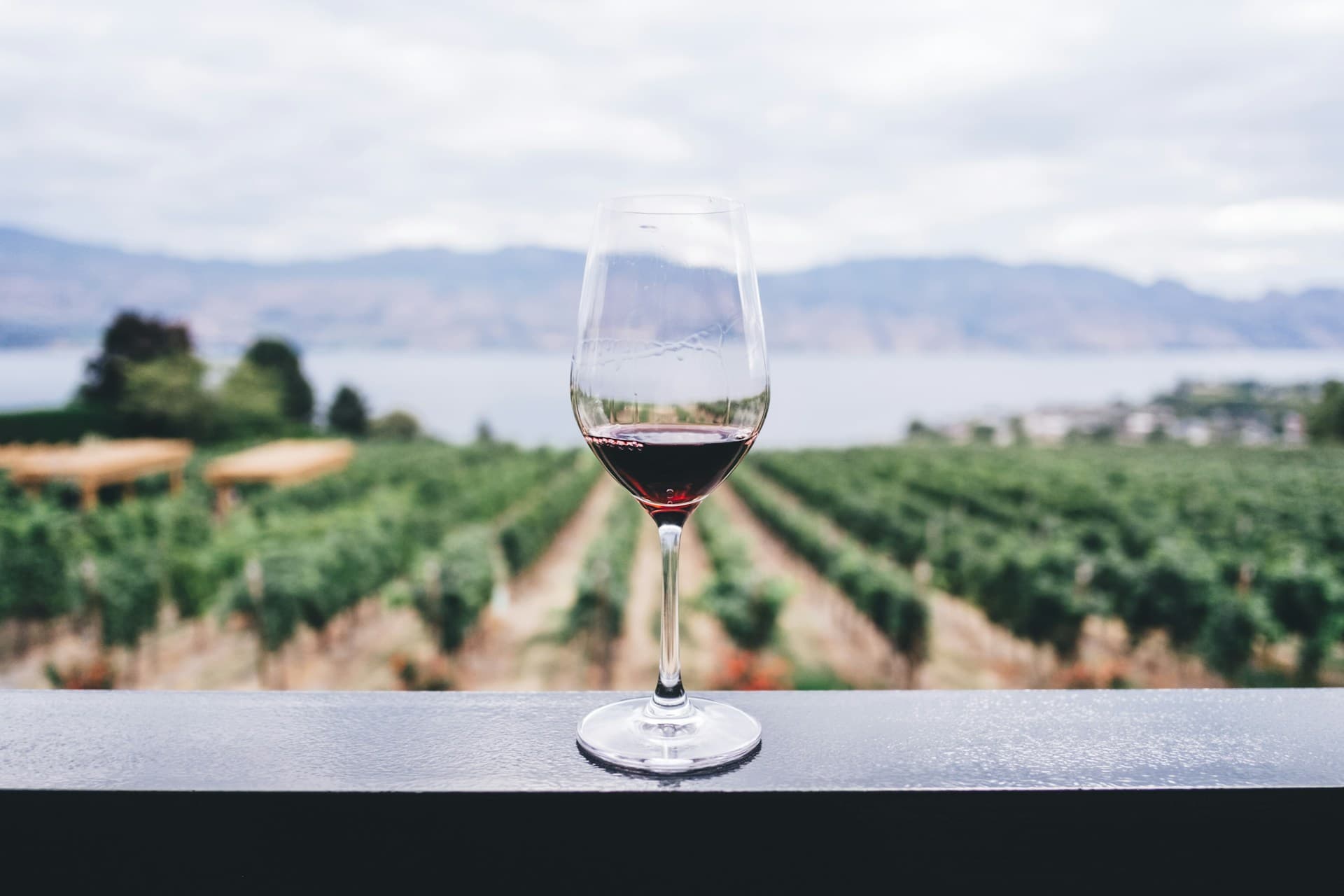

Wine travel is not about being an expert. It is about place. Every wine region on this list has a personality shaped by soil, climate, history, and the people who tend the vines. Visiting a wine region means understanding why a Barolo from the Langhe hills of Piedmont tastes nothing like a Pinot Noir from Burgundy, even though both are made from the same fundamental process of fermenting grapes.
These 12 regions represent the pinnacle of wine travel — each one offering not just great wine, but exceptional food, beautiful landscapes, and a culture built around the rhythm of the harvest.
1. Bordeaux, France
Bordeaux is where fine wine as we know it was invented. The classification system dates to 1855, the chateau tradition defines luxury wine worldwide, and the Left Bank/Right Bank distinction has shaped how the world talks about wine for centuries.
Signature Grapes
- Left Bank (Medoc, Graves): Cabernet Sauvignon-dominant blends. Structured, age-worthy, tannic in youth.
- Right Bank (Saint-Emilion, Pomerol): Merlot-dominant blends. Rounder, more approachable, often more expressive young.
- White: Sauvignon Blanc and Semillon blends, plus the legendary sweet wines of Sauternes.
Tasting and Tour Costs
- Grand Cru Classe chateaux: Visits typically require appointment. Tastings range from 15-50 EUR, sometimes higher for classified growths.
- Smaller estates: More accessible, often walk-in friendly. Tastings 5-15 EUR.
- La Cite du Vin: Bordeaux's wine museum is a standalone attraction (22 EUR entry, includes a tasting).
Recommended Wineries
- Chateau Margaux: One of the five First Growths. Visits by appointment only, with tours of the stunning Portzamparc-designed chai.
- Chateau Smith Haut Lafitte: A Pessac-Leognan estate with a wine spa (Les Sources de Caudalie) and excellent visitor program.
- Chateau Pavie: Premier Grand Cru Classe in Saint-Emilion. Dramatic amphitheater vineyard.
- For budget tasting: The wine bars in Bordeaux city (Bar a Vin at the Maison du Vin) offer glasses of classified Bordeaux from 3-8 EUR.
Food Pairings
Canele (caramelized pastry), entrecote bordelaise (steak in red wine sauce), lamprey (traditional but challenging), and oysters from Arcachon with white Bordeaux. The combination of Sauternes with Roquefort cheese is legendary.
Best Time to Visit
May-June and September-October. Harvest (vendange) in September-October is the most exciting time, but many chateaux restrict visits during this period. June offers long days and warm weather without harvest restrictions.
2. Tuscany, Italy
Tuscany is wine travel at its most romantic. Cypress-lined roads, medieval hilltop towns, golden light, and a food culture that treats simplicity as the highest art form. The wines — Chianti, Brunello, Super Tuscans — are bold, food-friendly, and deeply connected to the land.
Signature Grapes
- Sangiovese: The backbone of Tuscan wine. Chianti Classico is 80-100% Sangiovese. Brunello di Montalcino is 100% Sangiovese.
- Super Tuscans: Blends using Cabernet Sauvignon, Merlot, and Sangiovese that broke the traditional rules and created a new category of Italian fine wine (Sassicaia, Ornellaia, Tignanello).
Tasting and Tour Costs
- Major estates (Antinori, Frescobaldi): Tastings 20-50 EUR with tours. Reservations required.
- Family-run wineries: Walk-in tastings often free or 5-15 EUR. These are frequently the best experiences.
- Wine bars in towns: A glass of excellent Chianti Classico costs 5-8 EUR.
Recommended Wineries
- Antinori nel Chianti Classico: A striking modern winery built into a hillside, with a restaurant, museum, and tastings. Architectural destination as well as wine destination.
- Castello di Ama: Chianti Classico producer with a contemporary art collection installed throughout the estate.
- Biondi-Santi: The original Brunello di Montalcino producer, dating to 1888. Tours by appointment.
- For discovery: The small producers around Greve in Chianti and Panzano offer intimate tastings where the winemaker pours personally.
Food Pairings
Bistecca alla fiorentina (massive T-bone steak grilled over chestnut wood), pici cacio e pepe (thick hand-rolled pasta), ribollita (bread and vegetable soup), pecorino cheese with honey. Everything pairs with Sangiovese.
Best Time to Visit
April-June and September-October. October harvest season is magical — the vineyards turn gold and red, and many estates hold vendemmia celebrations.
3. Napa Valley, California, USA
Napa Valley redefined what American wine could be after the famous 1976 Judgment of Paris blind tasting, where Napa wines beat classified Bordeaux. Today, Napa is the most prestigious wine region in the New World — polished, expensive, and producing world-class Cabernet Sauvignon.
Signature Grapes
- Cabernet Sauvignon: Napa's calling card. Rich, powerful, age-worthy. The best (Screaming Eagle, Harlan, Opus One) rank among the world's finest.
- Chardonnay: Full-bodied, often oaked. Carneros and cooler sites produce more restrained styles.
- Zinfandel: Bold and peppery, particularly from old-vine blocks.
Tasting and Tour Costs
- High-end estates: Tastings 50-100 USD, sometimes 150+ USD for reserve or library wines. Reservations essential.
- Mid-range wineries: 30-50 USD per tasting. Most applied to purchase.
- Budget tip: Many wineries waive tasting fees with a bottle purchase. The Oxbow Public Market in Napa town offers casual wine tasting at lower cost.
Recommended Wineries
- Robert Mondavi: The grande dame of Napa, with excellent tours and a history lesson included.
- Stag's Leap Wine Cellars: The winery that won the 1976 Paris tasting. Historic and still exceptional.
- Opus One: The Mondavi-Rothschild joint venture. Architectural stunner with a single, world-class blend.
- For value: Explore the smaller producers on the Silverado Trail — less famous, more personal, and often better value.
Food Pairings
Napa has evolved into a culinary destination in its own right. The French Laundry (three Michelin stars), Bouchon Bakery, and Bottega Napa Valley anchor a food scene that rivals the wines. Farm-to-table dining at Farmstead or The Charter Oak pairs perfectly with Napa Cabernet.
Best Time to Visit
September-October for harvest season (crush), when the valley buzzes with activity and the vineyards are at their most beautiful. March-May for mustard blooms (yellow flowers between the vine rows) and fewer crowds.
4. Mendoza, Argentina
Mendoza sits at the foot of the Andes, and the combination of altitude (700-1,500 meters), desert sunshine, and snowmelt irrigation produces Malbec of extraordinary depth and concentration. It is also one of the most affordable premier wine regions in the world.
Signature Grapes
- Malbec: Argentina's signature grape, producing inky, plush reds with flavors of dark fruit, chocolate, and violet.
- Torrontes: A floral, aromatic white unique to Argentina. Refreshing and underappreciated.
- Cabernet Franc: Increasingly recognized as a serious varietal in Mendoza.
Tasting and Tour Costs
- Major bodegas (Catena Zapata, Zuccardi): Tastings 20-50 USD. Reservations recommended.
- Smaller producers: Tastings 10-25 USD. Some offer walk-in visits.
- Bike tours: A popular way to visit 3-4 wineries in the Maipu or Uco Valley areas. Rental bikes cost 10-15 USD/day.
Recommended Wineries
- Catena Zapata: The pyramid-shaped winery is architecturally striking. The wines — particularly the single-vineyard Malbecs — are Argentina's finest.
- Zuccardi Valle de Uco: Named the world's best vineyard multiple times. The restaurant serves an extraordinary food-wine pairing lunch overlooking the Andes.
- Bodega Salentein: A massive estate in the Uco Valley with a stunning art gallery and chapel.
- For discovery: The small producers in the Uco Valley's Gualtallary district are making some of the most exciting wines in South America.
Food Pairings
Asado (Argentine barbecue) is the essential pairing — specifically, a slow-grilled rib of beef with a bottle of Malbec. Empanadas mendocinas (baked, not fried) are the regional specialty. Dulce de leche everything for dessert.
Best Time to Visit
March-May (autumn) for harvest season, beautiful fall colors, and the Vendimia festival (first week of March — Mendoza's biggest celebration). September-November (spring) for wildflowers and clear mountain views.
5. Stellenbosch, South Africa
Stellenbosch is the heart of South African wine — a university town surrounded by dramatic mountain-backed vineyards producing world-class wines at prices that represent extraordinary value. The Cape Winelands also include Franschhoek and Paarl, all within 30 minutes of each other.
Signature Grapes
- Pinotage: South Africa's unique crossing of Pinot Noir and Cinsault. Smoky, earthy, and divisive — but the best examples are genuinely compelling.
- Chenin Blanc: South Africa grows more Chenin Blanc than anywhere else, and the old-vine bottlings are superb.
- Bordeaux blends: Many estates produce excellent Cabernet and Merlot-based reds.
- Syrah: Increasingly recognized as world-class from sites like the Swartland.
Tasting and Tour Costs
- Estate tastings: 50-200 ZAR (3-12 USD). Some of the best wines in the world for pocket change.
- Full tours with tasting: 100-400 ZAR. Many include food pairings.
- Wine-tram: A hop-on-hop-off tram through the Franschhoek valley visiting 8 estates. 260 ZAR for the day.
Recommended Wineries
- Kanonkop: Stellenbosch icon, particularly for Pinotage and their Paul Sauer Bordeaux blend.
- Mullineux: Swartland pioneers making some of South Africa's most exciting wines. Tasting room in Franschhoek.
- Delaire Graff: Stunning mountain-top estate with art galleries, a spa, and world-class wines. The views alone are worth the visit.
- For value: Simonsig in Stellenbosch offers excellent wines and pioneered Methode Cap Classique (South African sparkling wine).
Food Pairings
Cape Malay cuisine (bobotie, samoosas, Cape Malay curry) pairs beautifully with Chenin Blanc. Braai (South African barbecue) with Pinotage. The Franschhoek dining scene rivals any wine region on earth — La Colombe, The Tasting Room, and Chefs Warehouse are all exceptional.
Best Time to Visit
February-April for harvest and the hottest weather. September-November (spring) for wildflower season and pleasant temperatures. Winter (June-August) is cooler but quieter and more affordable.
6. Barossa Valley, Australia
Australia's most famous wine region produces some of the most powerful, generous red wines in the world. Century-old Shiraz vines — some of the oldest in existence — produce wines of extraordinary concentration and personality.
Signature Grapes
- Shiraz: The Barossa's signature. Old-vine Shiraz from the valley floor is rich, opulent, and uniquely Australian.
- Grenache: Old-vine Grenache from the warmer sites produces wines of surprising elegance.
- Riesling: From the cooler Eden Valley (adjacent to the Barossa), dry Rieslings of world-class quality.
Tasting and Tour Costs
- Major producers (Penfolds, Henschke): Tastings 20-50 AUD. Penfolds' "Make Your Own Blend" experience is 100 AUD.
- Boutique producers: Tastings 10-25 AUD, often waived with purchase.
- Budget tip: Many cellar doors offer free tastings of entry-level wines.
Recommended Wineries
- Penfolds: Home of Grange — Australia's most famous wine. The Magill Estate cellar door offers tastings across the full range.
- Henschke: Their Hill of Grace Shiraz, from vines planted in the 1860s, is one of Australia's greatest wines.
- Torbreck: Small production, old-vine wines that showcase the Barossa's power and generosity.
- For discovery: Seek out the Barossa's new wave — producers like Gentle Folk, Ochota Barrels, and Cirillo making lighter, more nuanced wines from old vines.
Food Pairings
Barossa is a meat-and-smoke region. Wood-fired lamb, kangaroo, and locally cured charcuterie pair perfectly with Shiraz. Maggie Beer's Farm Shop is a regional institution for artisanal foods.
Best Time to Visit
March-May (autumn) for harvest. September-November (spring) for pleasant weather and the Barossa Vintage Festival (held every two years in April).
7. Douro Valley, Portugal
The Douro is one of the most dramatic wine landscapes on earth — steep terraced vineyards climbing from the river in a patchwork of green and gold. This is where Port wine was born, but the region now produces exceptional dry red and white wines as well.
Signature Grapes
- Touriga Nacional: The finest Portuguese red grape. Deep color, floral aromatics, powerful structure.
- Touriga Franca, Tinta Roriz (Tempranillo), Tinto Cao: Traditional Port varieties also used for dry reds.
- Port: Tawny, Ruby, Vintage Vintage, LBV, and Vintage. Port lodges in Vila Nova de Gaia (across the river from Porto) offer tastings.
Tasting and Tour Costs
- Quintas (estates): Tastings 10-25 EUR with tours of vineyards and cellars.
- Port lodges in Porto: Tastings 10-20 EUR at Graham's, Taylor's, or Sandeman. No appointment needed.
- Douro river cruise: Day trips from Porto include wine tastings and vineyard visits (75-150 EUR).
Recommended Wineries
- Quinta do Crasto: Spectacular terraced vineyards overlooking the Douro. Excellent dry reds and Port.
- Quinta do Vallado: One of the oldest estates in the Douro, with a beautiful hotel and restaurant.
- Taylor's: In Vila Nova de Gaia, the most atmospheric Port lodge, with gardens and river views.
- For discovery: Niepoort is one of the most innovative producers, making both traditional Port and exciting natural wines.
Food Pairings
Francesinha (Porto's legendary meat sandwich with melted cheese and spicy sauce), bacalhau a bras (salt cod with eggs and potatoes), pastel de nata (custard tart), and aged cheese with tawny Port.
Best Time to Visit
September-October for the grape harvest (vindima). May-June for warm weather, fewer crowds, and green vineyards.
8-12. Additional World-Class Wine Regions
8. Rioja, Spain
Spain's most famous wine region, producing Tempranillo-based reds aged in American and French oak. The Crianza/Reserva/Gran Reserva aging system makes navigating Rioja straightforward. Frank Gehry designed the Marques de Riscal hotel — an architectural landmark. Tasting costs 5-15 EUR. Best visited September-October.
9. Burgundy, France
The spiritual home of Pinot Noir and Chardonnay. Burgundy is complex, often expensive, and endlessly rewarding. The Route des Grands Crus from Dijon to Beaune passes through the world's most hallowed vineyard land. Tastings at small domaines run 10-30 EUR. Best visited September-October.
10. Wachau, Austria
A UNESCO World Heritage valley along the Danube producing crystalline Gruner Veltliner and Riesling. The terraced vineyards, baroque monasteries (Melk Abbey), and riverside towns create a wine-travel experience of extraordinary beauty. Tastings 5-15 EUR. Best visited April-October.
11. Marlborough, New Zealand
The birthplace of New Zealand Sauvignon Blanc — crisp, aromatic, and instantly recognizable. The Marlborough region is also the gateway to the Marlborough Sounds and whale watching in Kaikoura. Tastings 5-15 NZD, often free with purchase. Best visited January-April.
12. Willamette Valley, Oregon, USA
Oregon's Pinot Noir has quietly joined the world's finest. The Dundee Hills, Eola-Amity Hills, and Chehalem Mountains produce Pinots that rival Burgundy at a fraction of the price. Tastings 15-30 USD. Portland is an hour's drive. Best visited June-October.
Wine Travel Planning Tips
- Designate a driver or hire one: Wine tasting and driving do not mix. Hiring a driver (80-200 USD/day depending on the region) lets everyone taste freely.
- Make reservations: At top estates, reservations are often required days or weeks in advance.
- Pace yourself: Three to four wineries per day is a comfortable maximum. More than that, and the wines blur together.
- Buy from the cellar door: Many estates offer wines at their cellar door that are not available elsewhere, and prices are often lower than retail.
- Eat well: Wine regions are food regions. The best pairings happen at the source.
TripGenie can help you plan a wine trip that balances cellar visits with cultural experiences, restaurant reservations, and the logistics of getting between wineries without worrying about driving. Tell us your wine preferences and we will build an itinerary around the regions and styles you love.
Topics

Written by
TripGenie Team
The TripGenie team is passionate about making travel planning effortless with AI. We combine travel expertise with cutting-edge technology to help you explore the world.
@tripgenieGet Travel Tips Delivered Weekly
Get our best travel tips, destination guides, and exclusive deals delivered straight to your inbox every week.
No spam, ever. Unsubscribe anytime.