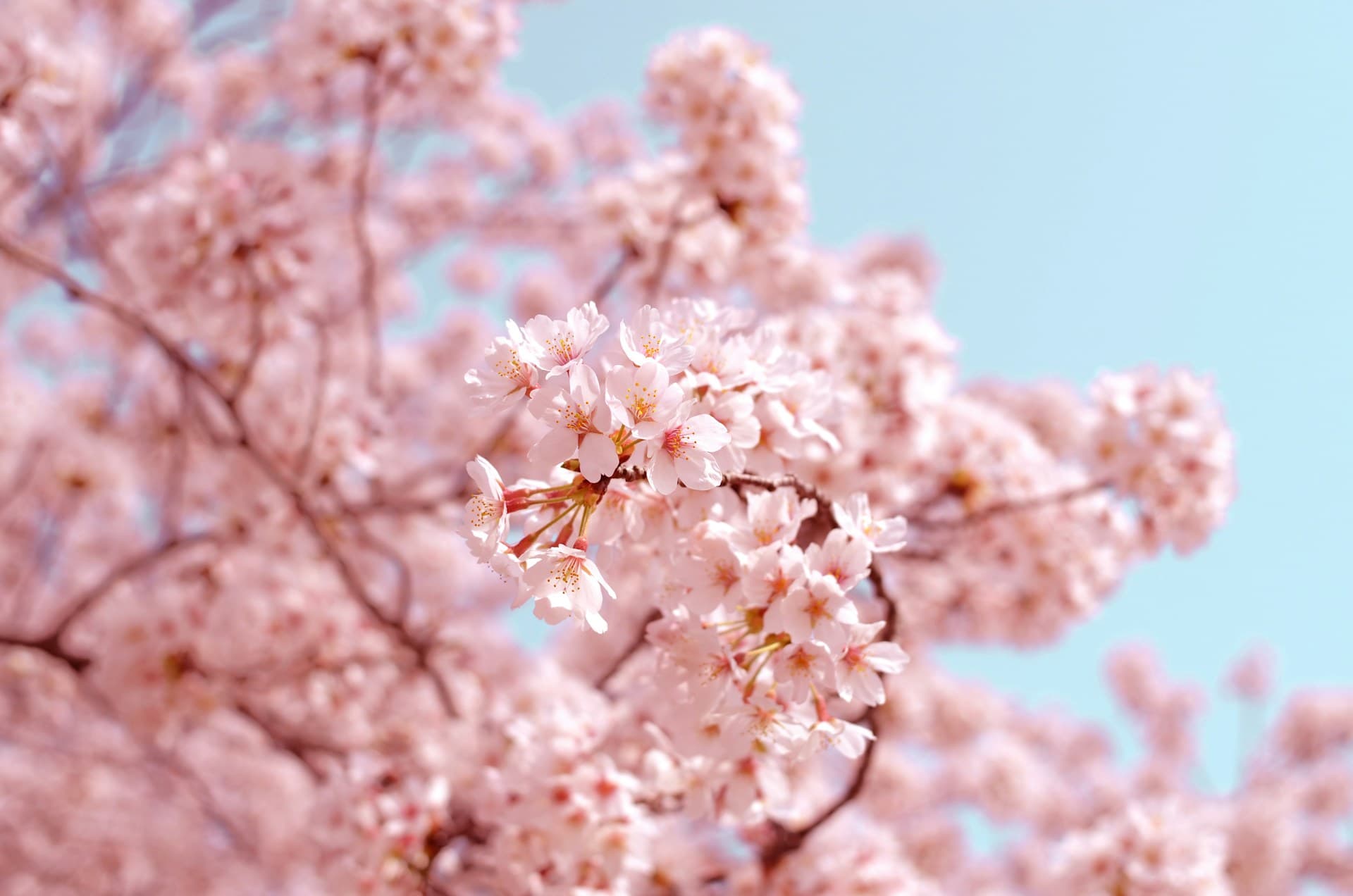

Cherry blossom season in Japan is one of the most beautiful and fleeting natural spectacles on Earth. For roughly two weeks each spring, the country transforms as millions of cherry trees (sakura) bloom in waves from south to north, painting parks, riverbanks, castle grounds, and temple gardens in shades of white and pale pink. The Japanese tradition of hanami -- gathering beneath the blossoms for food, drink, and contemplation -- has been practiced for over a thousand years.
This guide gives you everything you need to plan a trip around the 2026 cherry blossom season: forecast dates, the best viewing locations city by city, practical booking advice, and contingency plans for when the blossoms do not cooperate with your schedule.
2026 Cherry Blossom Forecast
The Japan Meteorological Corporation (JMC) and private forecasters like Weathernews and Japan Weather Association release updated cherry blossom forecasts throughout February and March. The forecasts predict two key dates for each city:
- Kaika (opening): The date when the first blossoms on the sample tree open
- Mankai (full bloom): The date when approximately 80% of buds on the sample tree are open. This is when viewing is best
Estimated 2026 dates (based on historical averages and early forecasts):
| City | Expected Opening | Expected Full Bloom | Peak Viewing Window |
|---|---|---|---|
| Kagoshima | March 22 | March 31 | March 31 - April 5 |
| Fukuoka | March 19 | March 28 | March 28 - April 3 |
| Hiroshima | March 22 | March 30 | March 30 - April 5 |
| Osaka | March 25 | April 1 | April 1 - April 7 |
| Kyoto | March 25 | April 2 | April 2 - April 8 |
| Tokyo | March 20 | March 28 | March 28 - April 4 |
| Kanazawa | April 2 | April 7 | April 7 - April 12 |
| Sendai | April 6 | April 10 | April 10 - April 15 |
| Hirosaki | April 18 | April 22 | April 22 - April 28 |
| Sapporo | April 28 | May 2 | May 2 - May 7 |
Important notes:
- Tokyo typically blooms before Kyoto and Osaka, despite being further north, due to the urban heat island effect
- These dates can shift by a week or more depending on winter and early spring temperatures
- Full bloom lasts approximately 5-7 days before petals begin to fall. The falling petals (hanafubuki, or "flower blizzard") are considered beautiful in their own right
- Check japan-guide.com/sakura for the most up-to-date 2026 forecasts as the season approaches
Best Cherry Blossom Viewing Spots by City
Tokyo
Tokyo has dozens of excellent viewing spots, ranging from iconic parks to quiet neighborhood canals.
Shinjuku Gyoen -- Arguably the best single spot in Tokyo. This former imperial garden charges a 500 JPY ($3.40 USD) entry fee, which keeps crowds more manageable than the free parks. It has over 1,000 cherry trees across 65 varieties, meaning something is in bloom from mid-March through late April. Alcohol is prohibited, making it a calmer, family-friendly experience.
Meguro River -- The most photographed cherry blossom spot in Tokyo. Over 800 trees line a 3.8 km stretch of the river between Nakameguro and Meguro stations. The branches arch over the water creating a tunnel effect. Visit at night when the trees are illuminated (yozakura). The area gets extremely crowded, especially on weekends -- go on a weekday morning for a better experience.
Ueno Park -- Tokyo's most famous hanami party spot. Over 1,000 trees and a festive atmosphere with food vendors and blue tarp picnics. Ueno is where you go if you want the full, boisterous Japanese hanami experience. Groups send members to reserve spots with tarps as early as sunrise.
Chidorigafuchi -- The moat of the Imperial Palace, lined with roughly 260 cherry trees. Rent a rowboat (800 JPY for 30 minutes) and paddle beneath the overhanging branches. The combination of the ancient stone walls, the water, and the blossoms is extraordinary.
Sumida River -- Walk along the east bank between Asakusa and Tokyo Skytree for views of blossoms framed against the tower. Less crowded than Meguro River.
Kyoto
Kyoto's cherry blossoms are set against a backdrop of 1,200 years of history, and the city arguably offers the most aesthetically refined viewing experience in Japan.
Maruyama Park -- Kyoto's most popular hanami spot, centered around a magnificent weeping cherry tree (shidarezakura) that is illuminated at night. Free entry. Expect dense crowds, especially in the evening.
Philosopher's Path (Tetsugaku no Michi) -- A 2 km canal-side path in eastern Kyoto, lined with hundreds of cherry trees. Walk from Ginkaku-ji (Silver Pavilion) south to Nanzen-ji. Best in the early morning before the crowds arrive.
Kiyomizu-dera -- The iconic hillside temple with its wooden terrace overlooking a valley of cherry trees. The nighttime illumination is spectacular but draws enormous crowds. Entry: 400 JPY. The temple opens for special nighttime viewing during sakura season.
Ninna-ji -- Famous for its Omuro cherries, a late-blooming dwarf variety that peaks about a week after standard Somei Yoshino cherries. If you miss peak bloom elsewhere, Ninna-ji gives you a second chance. Entry: 500 JPY during cherry blossom season.
Daigo-ji -- This temple was so beloved by the warlord Toyotomi Hideyoshi that he organized a massive cherry blossom viewing party here in 1598 with 1,300 guests. The tradition continues, though with somewhat less extravagance. Entry: 1,500 JPY (covers three sub-temples).
Arashiyama -- The bamboo grove area is beautiful year-round, but during cherry blossom season, the Togetsukyo Bridge with mountains of blossoms in the background is a classic Kyoto image.
Osaka
Osaka Castle Park -- Over 3,000 cherry trees surround the castle. The contrast between the white castle walls and pink blossoms makes this one of the most photogenic spots in Japan. The area behind the castle (Nishinomaru Garden) charges 350 JPY entry but is significantly less crowded than the free areas.
Kema Sakuranomiya Park -- A 4.2 km riverside stretch with 4,500 cherry trees. Popular for evening hanami parties. Adjacent to Osaka's entertainment district.
Beyond the Big Three
Yoshino (Nara Prefecture) -- The most revered cherry blossom viewing site in Japan, with over 30,000 trees covering an entire mountainside. The trees bloom in stages from the lower slopes to the summit, extending the viewing period to about 2 weeks. Yoshino is where cherry blossom appreciation in Japan essentially began over 1,300 years ago. Accessible by train from Osaka in about 1.5 hours.
Hirosaki (Aomori Prefecture) -- Home to what many Japanese consider the most beautiful cherry blossom display in the country. The Hirosaki Castle Park has 2,600 trees, and the moat fills with fallen petals creating a pink "flower carpet" on the water -- a phenomenon called hanaikada (flower raft). Peak bloom is typically late April. Accessible by Shinkansen to Shin-Aomori (3.5 hours from Tokyo), then local train.
Mount Yoshino and Hirosaki are worth the detour if your schedule allows. They represent cherry blossom viewing at a level most tourists never experience.
Hanami Etiquette
Hanami is a deeply social tradition, and there are norms you should be aware of:
- Reserving space: In popular parks like Ueno, people lay down blue plastic tarps (available at any 100-yen shop or convenience store) to reserve space. Arriving early is the courteous way to get a good spot
- Shoes: Remove shoes if sitting on a shared tarp
- Trash: Carry out everything you bring in. Many parks have limited trash facilities during peak season
- Noise: Hanami parties can be lively, especially in the evening, but maintain awareness of those around you. Most parks have quiet hours after 9:00 or 10:00 PM
- Photography: Ask before photographing strangers, especially in close settings
- Alcohol: Permitted in most public parks (Shinjuku Gyoen is a notable exception). Convenience stores stock sake, beer, and chuhai (shochu highball) -- the standard hanami beverages
Essential Hanami Supplies
- A blue tarp from a 100-yen shop (Daiso is the main chain)
- Bento boxes from a department store food hall (depachika) -- 800-1,500 JPY for a high-quality one
- Sakura-themed snacks (available everywhere during the season): sakura mochi (cherry blossom rice cake), hanami dango (tri-color dumplings)
- Drinks from a convenience store (conbini): a strong zero chuhai is 150-200 JPY
- Disposable hand warmers (kairo) -- evenings under the blossoms can be chilly
Accommodation Booking Strategy
Cherry blossom season is one of Japan's two peak travel periods (the other being autumn foliage in November). Accommodation in Kyoto and Tokyo books up fast and prices surge.
When to Book
- Hotels in Kyoto: Book 4-6 months ahead for cherry blossom season. Kyoto has limited hotel inventory relative to demand, and late March through early April prices can be 2-3x normal rates
- Hotels in Tokyo: Slightly easier due to larger supply, but still book 2-3 months ahead for good rates
- Ryokan (traditional inns): The most popular ryokan in Kyoto (like Tawaraya or Hiiragiya) book out 6+ months ahead. Mid-range ryokan should be reserved 3-4 months ahead
Where to Stay
- Tokyo: Shinjuku is central and well-connected. Budget hotels start at $50-70/night, mid-range at $100-180/night
- Kyoto: Stay near a subway or bus line. Gion and Higashiyama are atmospheric but pricey. Kyoto Station area is practical. Budget: $40-60/night (hostels), $100-200/night (hotels), $200-500/night (ryokan)
- Osaka: Generally cheaper than Kyoto and only 15 minutes away by Shinkansen. Consider staying in Osaka and day-tripping to Kyoto. Budget hotels from $35-50/night
The Osaka Base Strategy
A practical approach for budget-conscious travelers: base yourself in Osaka and use the rail network to access both Kyoto (15 min by Shinkansen, 30-45 min by regular train) and Nara (30-45 min). Osaka accommodation is typically 30-50% cheaper than Kyoto during cherry blossom season.
Dealing with Crowds
Cherry blossom season in Japan is genuinely crowded, particularly in Kyoto. Some strategies:
- Go early: Most viewing spots are best at dawn. By 6:00-7:00 AM, you will have the Philosopher's Path or Chidorigafuchi nearly to yourself
- Go on weekdays: Weekend crowds can be 3-5x larger than weekday crowds
- Seek secondary spots: While tourists flock to Maruyama Park, locals enjoy quieter spots like Hirano Shrine or the Kamogawa riverbanks in Kyoto
- Night viewing (yozakura): Some spots are actually less crowded at night. The illumination at Rikugien Garden in Tokyo is stunning and ticketed, which limits crowds
- Travel south or north: If Kyoto and Tokyo are overwhelming, consider Hiroshima, Kanazawa, or the Tohoku region, where the same blossoms unfold with a fraction of the visitors
Photography Tips
- Golden hour: Sunrise and the hour before sunset produce the warmest light on blossoms
- Overcast days: Actually excellent for cherry blossom photography. The diffused light eliminates harsh shadows and makes the pale pink petals glow
- Reflections: Water amplifies cherry blossoms. Seek out moats, rivers, and ponds (Chidorigafuchi, Meguro River, Hirosaki Castle moat)
- Framing: Use temple gates, torii, bridges, or castle walls to frame the blossoms and give context
- Fallen petals: Don't stop photographing when petals fall. A carpet of petals on water or a path is arguably more beautiful than the full bloom
- Night photography: A tripod or stable surface is essential for yozakura shots. Many phone cameras now handle low light well, but a camera with manual exposure control produces better results
- People: Include people in your photos for scale and life. A figure walking beneath a canopy of blossoms tells a story that a tree alone does not
What If Your Timing Is Off?
The biggest risk of a cherry blossom trip is arriving too early or too late. Here are your backup plans:
If You Arrive Too Early
- Plum blossoms (ume): Plum trees bloom 2-4 weeks before cherry trees. Kitano Tenmangu shrine in Kyoto and Kairakuen garden in Mito are famous for ume
- Early-blooming cherry varieties: Kawazu-zakura and other early varieties bloom in late February and early March. The town of Kawazu on the Izu Peninsula (2.5 hours from Tokyo) has a famous festival
- Head south: Okinawa's cherry blossoms peak in late January to February. Kagoshima and Shikoku bloom before Honshu
If You Arrive Too Late
- Head north: Follow the bloom front north. If Tokyo is finished, Tohoku (Hirosaki, Kakunodate) is just starting. Hokkaido does not bloom until early May
- Late-blooming varieties: Ninna-ji's Omuro cherries in Kyoto bloom about a week after standard varieties. Shinjuku Gyoen has late-blooming varieties that extend into mid-April
- Cherry blossom petals: The "flower blizzard" of falling petals and the petal-covered water surfaces can be more photogenic than full bloom
- Wisteria: Japan's wisteria (fuji) bloom season begins in late April, shortly after cherry blossoms end. The Ashikaga Flower Park north of Tokyo is spectacular
Getting Around Japan During Cherry Blossom Season
The Japan Rail Pass remains the most cost-effective way to travel between cities. For 2026:
- 7-day JR Pass: Approximately 50,000 JPY ($340 USD) for ordinary class
- 14-day JR Pass: Approximately 80,000 JPY ($545 USD)
- 21-day JR Pass: Approximately 100,000 JPY ($680 USD)
The pass covers all JR trains including the Shinkansen (bullet train), with the exception of the Nozomi and Mizuho services. You can use the Hikari and Sakura services instead on the same routes.
Purchase the JR Pass online at japanrailpass.net and activate it at a JR ticket office upon arrival. IC cards (Suica, Pasmo) are essential for local trains and buses -- buy one at any station kiosk.
Plan Your Cherry Blossom Trip with TripGenie
Timing a Japan cherry blossom trip requires balancing forecast uncertainty with hotel booking deadlines, rail pass activation dates, and a multi-city itinerary that follows the bloom front. TripGenie can help you build a flexible day-by-day plan that accounts for your arrival dates, budget, and the latest forecast data -- so you maximize your chances of catching peak bloom without overcommitting to a rigid schedule.
Final Thoughts
Cherry blossom season in Japan is not just a visual experience -- it is a cultural one. The blossoms are beautiful because they are brief. The Japanese concept of mono no aware (the bittersweet awareness of impermanence) is central to hanami. You sit beneath the trees knowing that by next week, the petals will be gone. That awareness sharpens the beauty of the present moment. It is a philosophy worth traveling for, and Japan in spring is where you feel it most deeply.
Topics

Written by
TripGenie Team
The TripGenie team is passionate about making travel planning effortless with AI. We combine travel expertise with cutting-edge technology to help you explore the world.
@tripgenieGet Travel Tips Delivered Weekly
Get our best travel tips, destination guides, and exclusive deals delivered straight to your inbox every week.
No spam, ever. Unsubscribe anytime.